Non-Running & Inoperable Vehicle Shipping
Door-to-door transport for cars, trucks and SUVs that don't run — project cars, accident damage, salvage and auction buys. Winch-equipped carriers, typically $150–$350 more than a running car. 55,697 vehicles shipped, rated 4.8/5.

Overview
What Is Non-Running Vehicle Shipping?
Inoperable, salvage and project vehicles shipped door to door on winch-equipped carriers.
A non-running vehicle is any car, truck, or SUV that cannot be driven under its own power — whether due to engine failure, accident damage, a dead battery, missing wheels, or salvage title status. Standard auto transport carriers require vehicles to drive on and off the trailer. Non-running vehicles need specialized equipment and loading methods.
Navi matches non-running vehicles to carriers equipped with winches, hydraulic liftgates and flatbeds, checked through Navi Score before they are assigned. The process is the same door-to-door service as a running vehicle — the only difference is the equipment used to load and unload. For the full range of car transport options across every vehicle type, see our main guide.
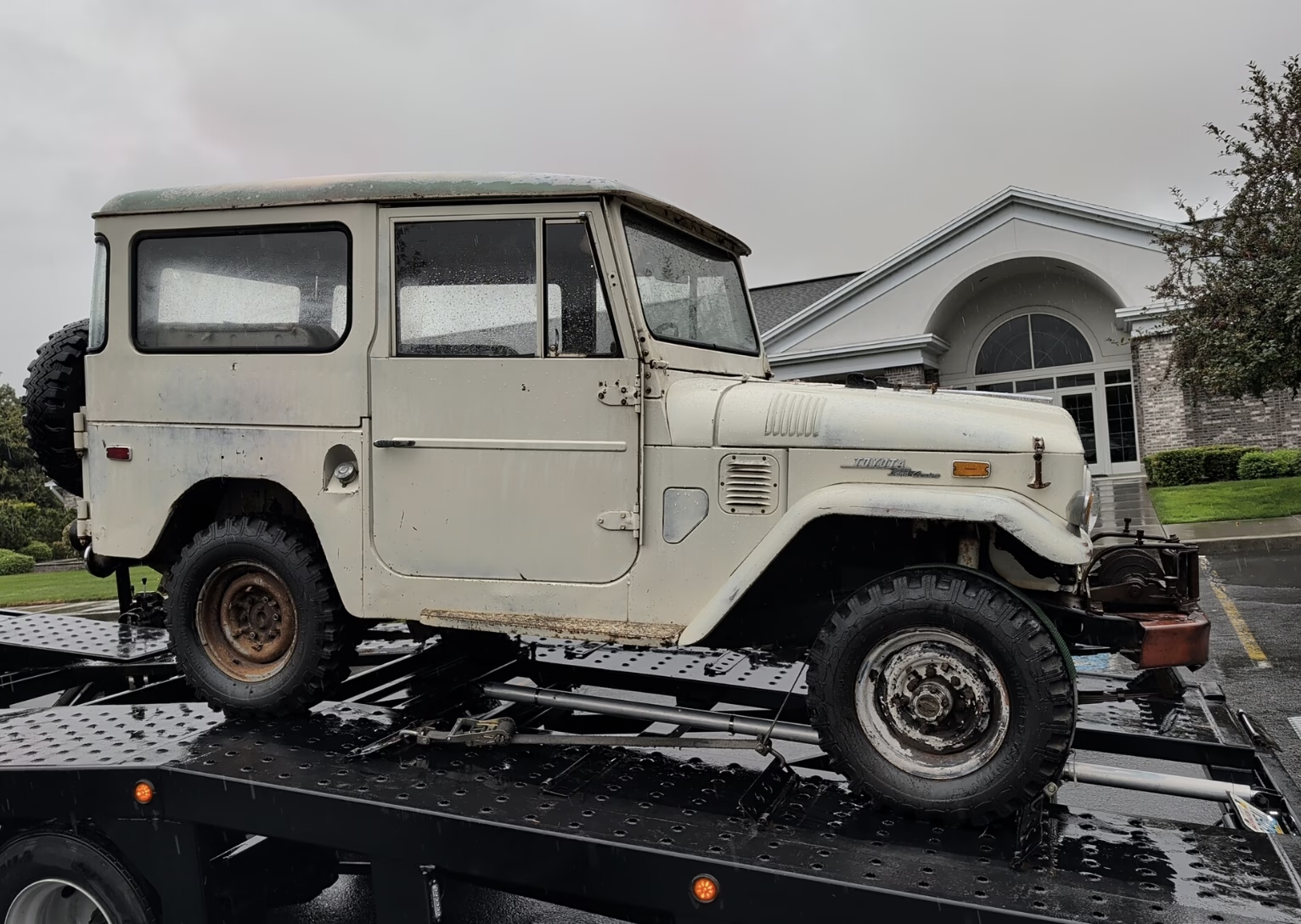
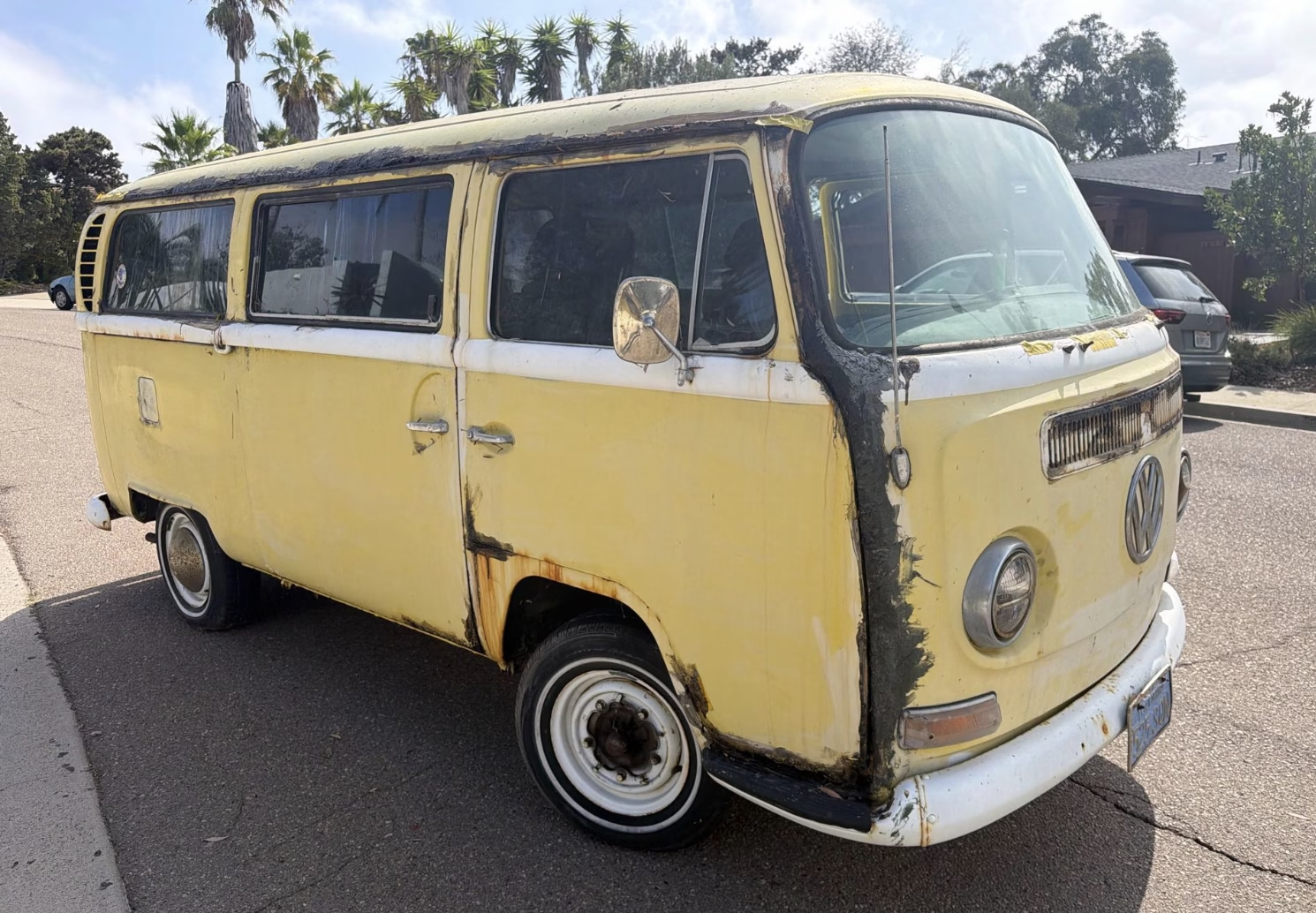
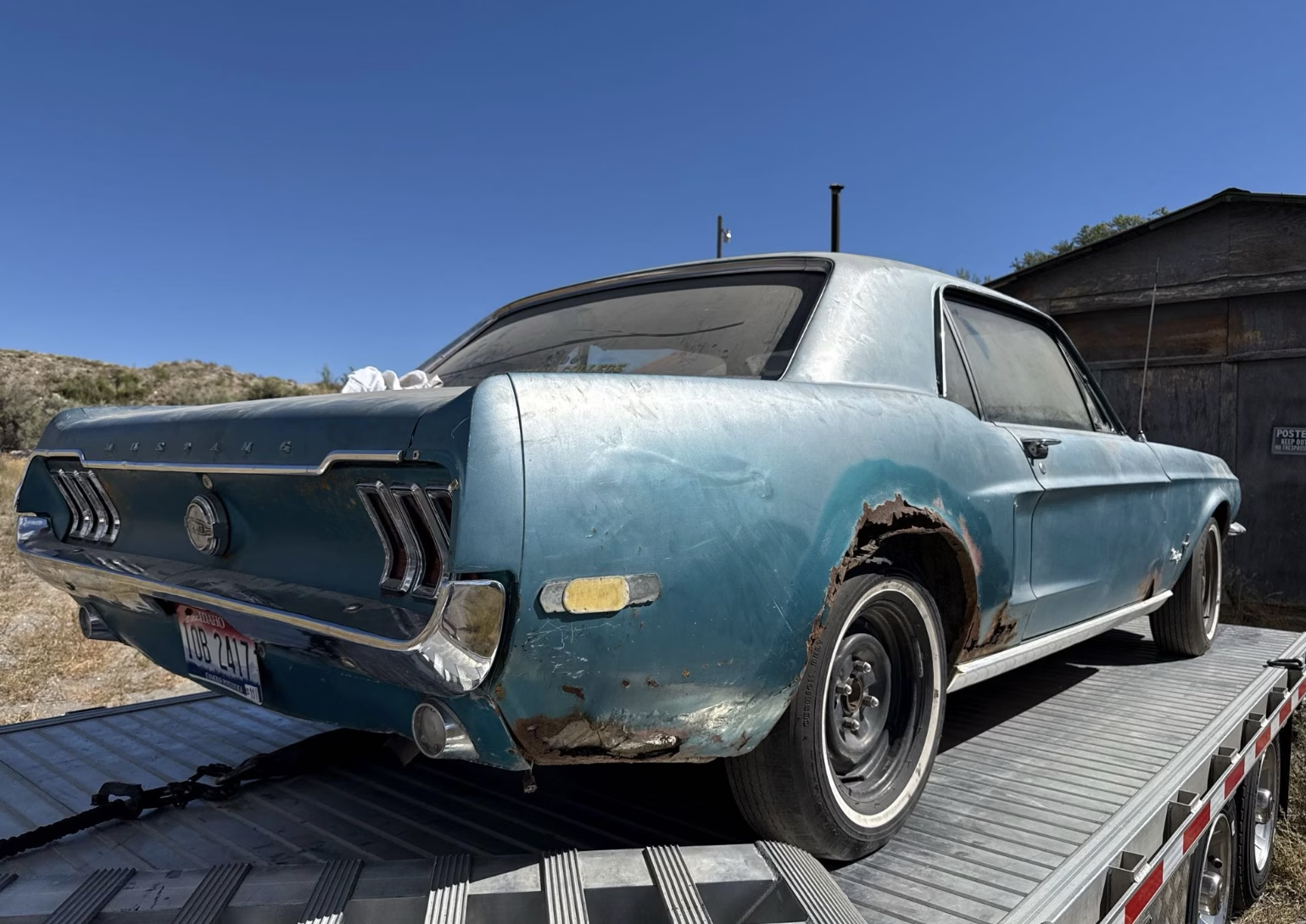
What Navi actually ships: almost 4 in 10 of the non-running vehicles on Navi trucks were built before 2000, and about 1 in 4 before 1980 — project cars, barn finds and classics that haven't run in years. The rest are late-model cars with engine, transmission or accident damage, many headed to a body shop or bought at auction. California, Texas and Florida are the three busiest pickup states.
From real Navi non-running shipments
Photos from completed Navi orders for vehicles that don't run, with the route and date of each move.
Comparison
Running vs Non-Running Transport
| Running Vehicle | Non-Running Vehicle | |
|---|---|---|
| Loading method | Drives on under own power | Pulled on by winch — must roll on its own wheels |
| Carrier type | Standard open or enclosed transport | Winch-equipped open or enclosed carrier |
| Cost vs standard | Base rate | Typically $150–$350 more |
| Pickup window | Usually 1–3 days | Usually 1–3 days — no slower in Navi's data |
| Insurance coverage | Carrier's cargo insurance, bumper to bumper | Carrier's cargo insurance, bumper to bumper |
Best For
Who Needs Non-Running Vehicle Shipping?
Any vehicle that can't drive onto a standard carrier
Project & Restoration Cars
Classic and vintage vehicles mid-restoration that can't be started or driven. Nearly 4 in 10 of the non-runners Navi ships are pre-2000 builds like these.
Accident-Damaged Vehicles
Vehicles that were in a collision and are no longer driveable. Whether heading to a repair shop or auction, we handle pickup and delivery.
Salvage & Auction Vehicles
Copart, IAAI and other auction purchases often sit non-running. Salvage-title cars ship the same way: give us the yard address as pickup and the carrier loads it there. Busy yard metros include Phoenix.
Dead Battery or Engine Failure
Dead battery, engine failure, or mechanical breakdown — if it won't run, we'll still move it anywhere in the US.
The Process
How Non-Running Vehicle Shipping Works
Same 4-step process as standard shipping — different equipment
Get Your Quote
Enter pickup and delivery ZIP codes, vehicle details, and select "Non-Running" for vehicle condition. You see your price online before you book.
Specialist Carrier Assigned
We match your vehicle to a winch-equipped open or enclosed carrier based on its condition and size.
Pickup & Secure Loading
Driver documents condition with photos, loads using appropriate equipment, and secures the vehicle for transit. No damage to undercarriage or body.
Delivery & Inspection
Driver calls ahead, unloads with the same care as pickup, and you inspect together before signing the Bill of Lading.
Pricing
How Much Does It Cost to Ship a Non-Running Car?
Real prices from completed Navi non-running shipments, June–November 2026. One vehicle, open transport.
Get your exact price: use our instant calculator and choose "Non-Running" as the condition.
Timing
How Long Does Non-Running Car Transport Take?
From completed Navi non-running shipments, June–November 2026
88%
picked up within 3 days of a carrier accepting the order — non-running vehicles were not slower to pick up than running ones.
1 day
typical transit under 500 miles — 9 in 10 delivered by the day after pickup.
2 days
median transit on 1,000–1,500 mile routes.
5 days
median transit beyond 2,000 miles, with 95% delivered within a week of pickup.
Why It Matters
Why Ship Instead of Tow?
For long-distance moves, towing is expensive, risky, and hard on the vehicle
No Towing Damage
Long-distance towing puts stress on the drivetrain and suspension. Carrier transport keeps all four wheels off the ground the entire journey.
Cheaper Than Long-Distance Towing
A carrier spreads the trip cost across a full load of vehicles, while a tow truck bills you for every mile alone. On long moves, shipping usually comes out cheaper.
Fully Insured
Every non-running shipment is covered bumper to bumper by the carrier's insurance. Condition is photographed at pickup and delivery on the Bill of Lading.
Door-to-Door Service
We pick up and deliver at your location — no need to get the vehicle to a terminal or loading dock. The carrier comes to you.
Ship your non-running vehicle with Navi
Specialist carriers · All 50 states covered · No upfront payment
(302) 278-4298 Get a Free QuoteReviewed by: Ivan Karakostov, CEO, Navi Auto Transport — 10+ years of auto transport industry experience.
Prices and timing from completed Navi non-running shipments, June–November 2026. Last updated: November 18, 2026 · MC: 1646663 · DOT: 4248916