
Door-to-door means the carrier comes to you — with real-world caveats
Standard on every Navi shipment. No extra fee. But "door-to-door" has limits, and we'll explain them honestly.
Door-to-door auto transport means the carrier picks your vehicle up at your address and delivers it to the address you choose — or to the nearest spot a full-size truck can safely reach. It is the standard service on every Navi shipment, with no extra fee. On completed Navi shipments, open transport cost $820–$1,150 for 500–1,000 miles and $1,600–$1,970 coast to coast, and once a carrier was assigned, about 7 in 10 pickups happened within 3 days.
Door-to-door car shipping is the default service for every shipment we run. You give us your pickup and delivery addresses, the carrier comes to those addresses, and there's no fee for the door-to-door convenience. It's not a premium add-on — it's how modern car shipping works for most loads.
The honest part: "door-to-door" doesn't always mean "literally to your door." A 75-foot auto transport trailer can't fit on every street. If you live on a narrow residential road, behind a gated community with tight turns, in an apartment complex with restricted access, or on a road with low-hanging trees or weight restrictions, the driver works with you to pick the nearest safe accessible spot — usually a wide parking lot, a side street one or two blocks over, or a major intersection. We tell you this upfront.
This page covers how door-to-door actually works in practice, what happens when the truck can't reach your address, how door-to-door compares to terminal-to-terminal, real prices by distance, and how we vet every carrier before they touch your vehicle. For the full range of options across every vehicle type, see our open, enclosed, motorcycle, and expedited transport services.
What our door-to-door shipments show
Patterns from completed Navi shipments, June – November 2026.
🚚 About 7 in 10 picked up within 3 days
Once a carrier was assigned, about 6 in 10 of our open pickups happened within 2 days, about 7 in 10 within 3 days and nearly 9 in 10 within 5 days.
🛣 Most trips take 1–4 days on the truck
From pickup to delivery, trips of 500–1,000 miles usually took 1–2 days and 1,000–1,500 miles 2–4 days. Coast-to-coast moves usually took 4–8 days.
📐 SUVs cost about $100 more than cars
On 500–2,500 mile open trips, SUVs ran about $100 more than cars and pickup trucks about $450 more — they take more deck space.
🏠 Door-to-door costs nothing extra
Every quote is door-to-door by default. The only location-based extra is a $50–$100 surcharge when pickup or delivery is more than 30 miles off a major interstate.
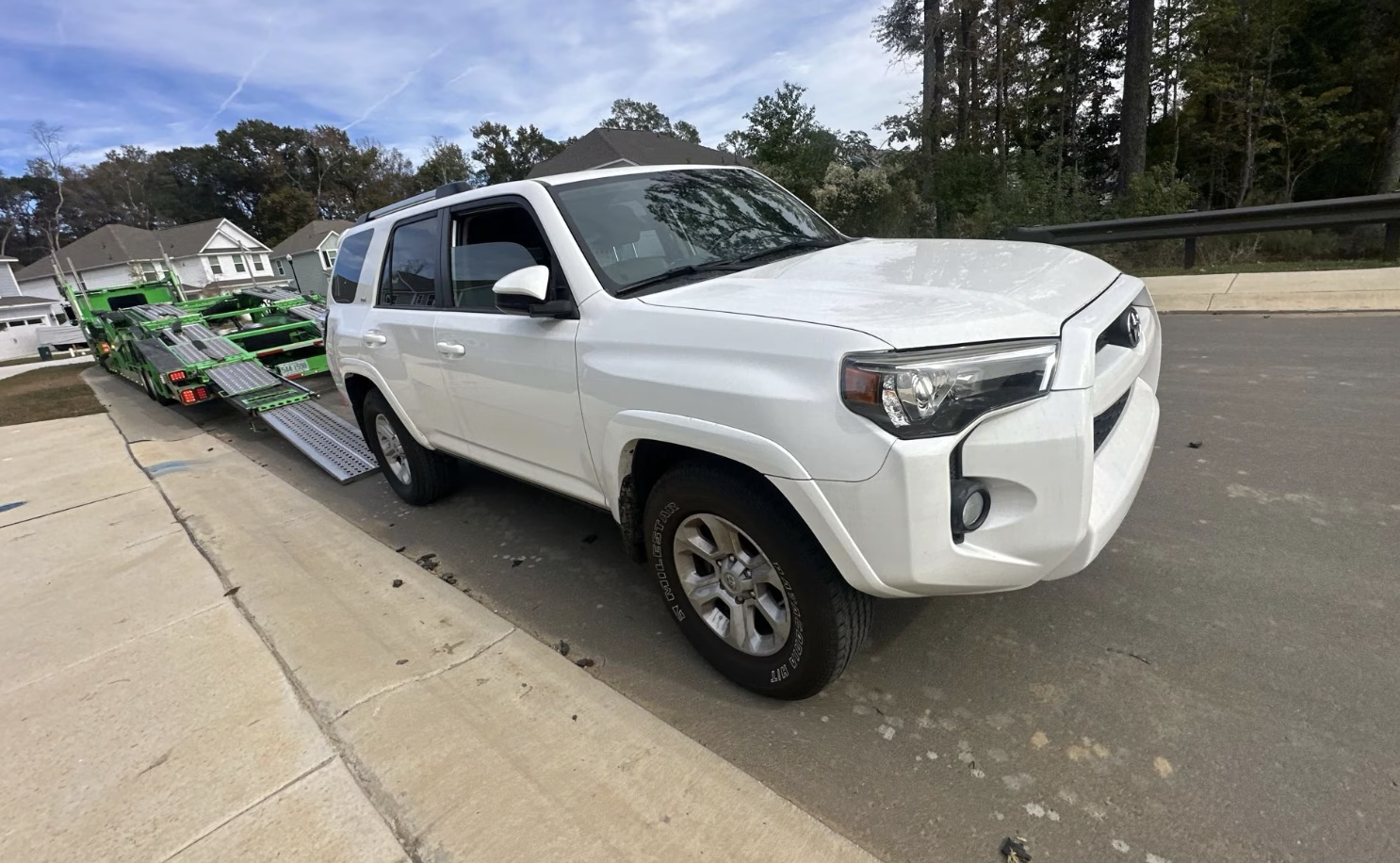
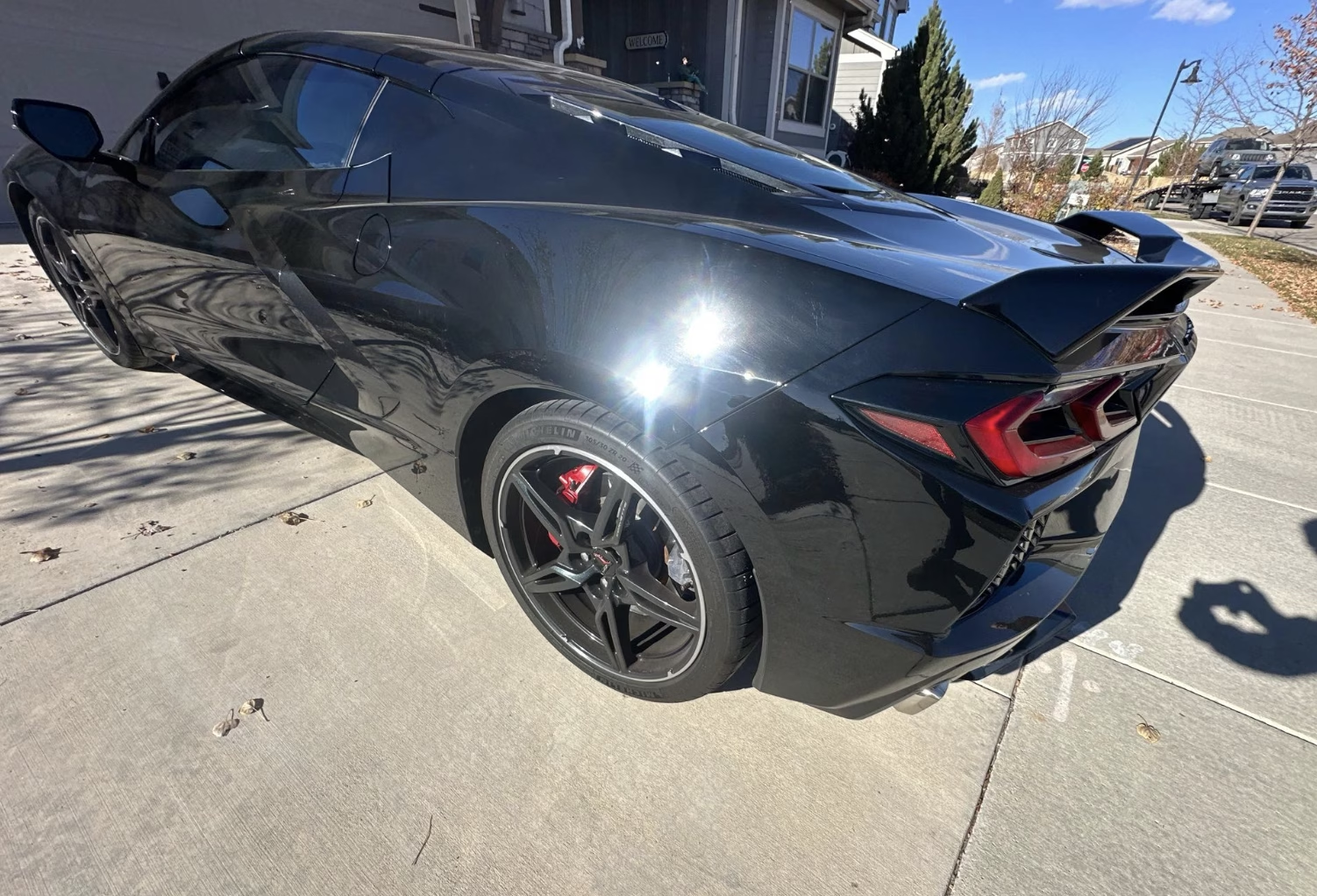
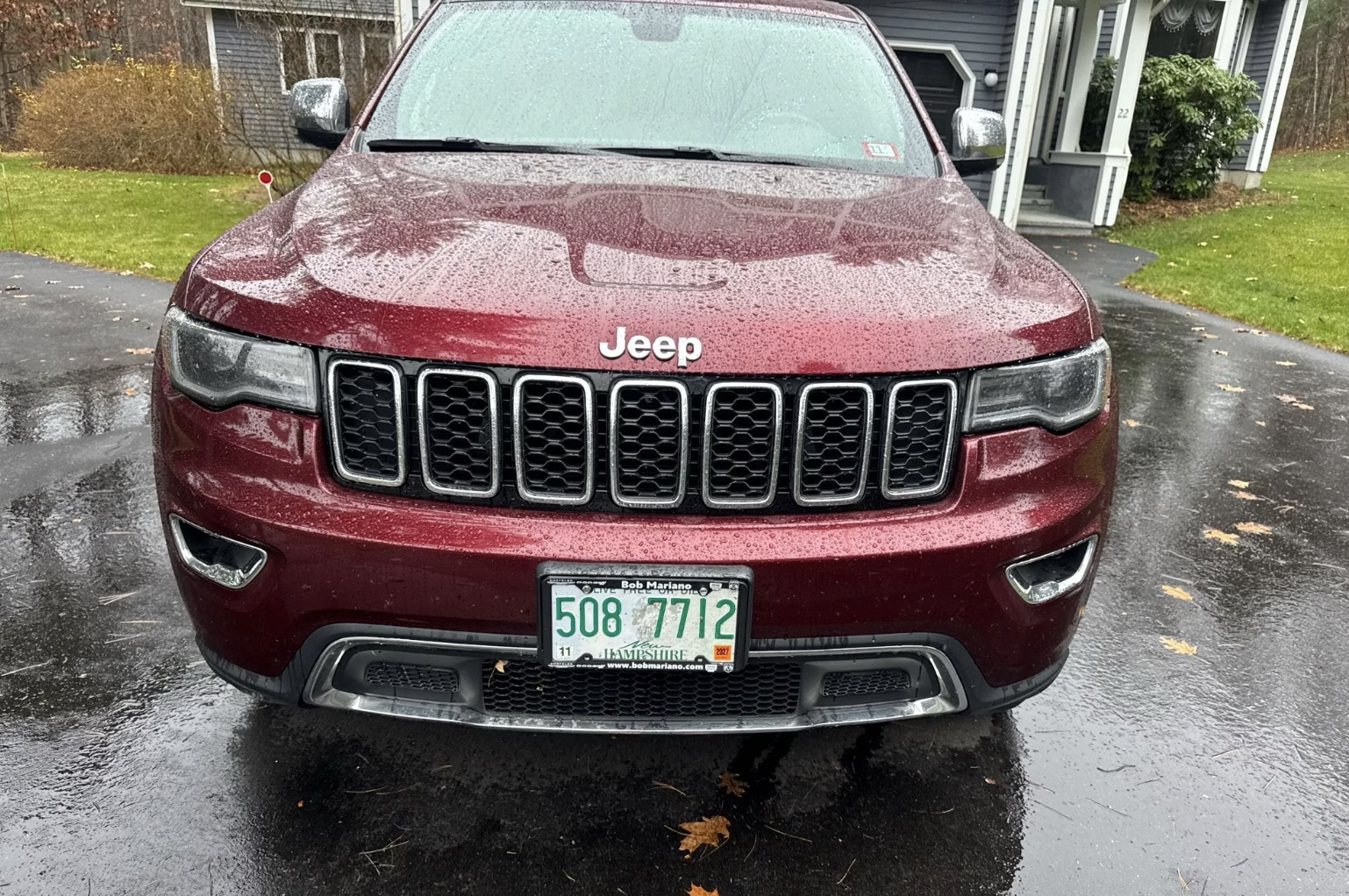
From real Navi door-to-door shipments
Every vehicle is photographed so its condition is on record at pickup and delivery.
Door-to-door or terminal-to-terminal — the 30-second answer
Door-to-door is the default. Terminal-to-terminal exists for niche cases.
✅ Choose door-to-door if
You want the carrier to come to your address (or nearest accessible spot); you don't have time to drive to a terminal; you're moving and can't leave work to drop off the car; or you're buying a car online and need it delivered to your home. For most customers, this is the standard.
🏢 Terminal-to-terminal is fine if
You live near a major carrier terminal (most don't); you're shipping on a tight budget and want 5–10% off the rate; your pickup or delivery location is genuinely inaccessible to a full-size trailer; or you're flexible on pickup and drop-off timing. See terminal-to-terminal car shipping.
Door-to-door vs terminal-to-terminal
Side-by-side on what actually matters for most shipments.
| Door-to-door | Terminal-to-terminal | |
|---|---|---|
| Pickup location | Your address (or nearest accessible spot) | Carrier terminal (you drive there) |
| Delivery location | Your address (or nearest accessible spot) | Carrier terminal (you drive from there) |
| Cost | Standard rate | 5–10% cheaper |
| Your time spent | ~30 min at pickup, ~30 min at delivery | Drive to and from terminals, plus wait time |
| Vehicle sits at terminal | No | Yes — sometimes for days |
| Availability | All 50 states | Major metros only |
| Best for | Most shipments | Budget-priority, near-terminal customers |
How door-to-door auto transport works
4 steps from quote to delivery — no terminal trips required.
Get Your Instant Quote
Enter pickup and delivery ZIPs plus vehicle details. Real door-to-door price in 60 seconds — door-to-door is included by default, no separate fee.
Confirm Pickup Address
Tell us your exact pickup address. We check carrier accessibility — narrow streets, gated communities, low trees, weight restrictions — and flag any issues upfront, not at pickup.
Carrier Comes to You
Driver arrives at your address (or nearest accessible spot if needed), does a walkaround with you, signs the Bill of Lading, and loads. Most carriers call about 24 hours ahead of pickup.
Door-to-Door Delivery
Driver calls 1–4 hours before delivery. Arrives at your address, you inspect against the Bill of Lading, sign off, done. No terminal trips at either end.
What door-to-door auto transport actually costs
Real prices from completed Navi shipments — door-to-door is the standard service, with no convenience surcharge.
| Distance | Open | Enclosed | On the truck (open) |
|---|---|---|---|
| Under 300 miles | $410–$590 | $650–$960 | 0–1 day |
| 300–500 miles | $570–$780 | $820–$1,160 | 0–1 day |
| 500–1,000 miles | $820–$1,150 | $1,140–$1,540 | 1–2 days |
| 1,000–1,500 miles | $1,080–$1,430 | $1,510–$2,030 | 2–4 days |
| 1,500–2,000 miles | $1,300–$1,690 | $1,910–$2,450 | 2–4 days |
| 2,000–2,500 miles | $1,450–$1,850 | $2,120–$2,650 | 3–6 days |
| 2,500+ miles (coast-to-coast) | $1,600–$1,970 | $2,380–$3,030 | 4–8 days |
Based on completed Navi shipments with the carrier assigned June – November 2026, for one running vehicle. Middle half of what customers paid, door-to-door. "On the truck" is pickup to delivery. Enclosed transport typically adds 40–70%, depending on the lane, the season and carrier supply on your route.
Door-to-door pricing is the same as our standard open or enclosed transport pricing — there's no door-to-door upcharge. The price scales with distance, vehicle type, and transport method. Terminal-to-terminal is roughly 5–10% cheaper because it eliminates the carrier's first-mile and last-mile work, but you trade that savings for driving to terminals on both ends.
🛣 Distance and route popularity
Price per mile steps down with distance. Major interstate corridors (I-95, I-10, I-40, I-80) price lower because carrier supply is steady.
📐 Vehicle size
On 500–2,500 mile open trips, SUVs ran about $100 more than cars and pickup trucks about $450 more. Larger vehicles take more deck space.
📍 Pickup zone accessibility
Within 30 miles of a major interstate, pricing is standard. Beyond 30 miles or down narrow rural roads, expect a $50–$100 surcharge or a request to meet at a nearby accessible point.
🏙 Urban density
Dense city pickups (Manhattan, central San Francisco, downtown Chicago) often involve carrier meeting points because 75-foot trailers can't navigate tight streets. Standard practice, not an upcharge — but plan for a 5–15 minute drive to the meeting spot.
🛡 Transport type
Open is the default. Enclosed transport uses lift-gate loading for low-clearance vehicles. Enclosed transport typically adds 40–70%, depending on the lane, the season and carrier supply on your route.
📅 Season
Snowbird traffic between the Northeast and Midwest and Florida and Arizona peaks October–November and March–May and can add 10–20% to the price. Winter routes through the Rockies, Sierras and Northern Plains can add 1–2 days to transit.
🗓 Booking lead time
Booking 5–7 days ahead usually beats next-day rates. Last-minute loads force carriers to deviate from planned routes.
🔧 Vehicle condition
Non-running vehicles need a winch-equipped carrier, which typically adds $150–$350 depending on whether the vehicle rolls, steers and brakes.
How we vet every carrier before they touch your vehicle
6 checks. No exceptions. Even the cheapest carrier doesn't get the load if they fail.
Door-to-door shipping puts the carrier in your driveway. That makes vetting more important, not less — the driver is going to be at your home, talking to you, walking around your vehicle. The carrier matters more than the rate. After 10+ years in this industry, here's what separates a good carrier from a bad one: vetting work, not luck.
1 · Navi Score
Our internal carrier-scoring system tracks every carrier we've worked with — on-time delivery, damage incidents, communication quality, claim resolution speed.
2 · Central Dispatch rating
Industry-standard performance scoring from the largest dispatch board in the country.
3 · Super Dispatch rating
Second-source verification of carrier performance from a separate independent platform.
4 · FMCSA active authority
Confirms active operating authority, current MC and DOT numbers, and a clean compliance record.
5 · DOT safety record
Inspection history, violations, and out-of-service rates over the last 24 months.
6 · Insurance verification
Active cargo and liability policies at or above industry minimums, verified on every load.
A carrier that fails any one of these doesn't get your load. Doesn't matter if their rate is the lowest on the board. This is how we keep damage incidents rare — across all 2026 Navi deliveries, damage claims ran at 0.79%.
What happens when the truck can't reach your door
The honest operational reality of door-to-door — and how Navi handles it.
Narrow residential streets
A 75-foot auto carrier can't fit on most narrow residential streets, especially in older neighborhoods. The driver works with you to identify the nearest wide street — usually a main arterial or a parking lot one or two blocks over.
Gated communities & HOAs
Many HOAs and gated communities prohibit large trucks on internal roads, or have height and weight restrictions at entry gates. Pickup or delivery happens just outside the gate at a wide spot you've coordinated with the driver.
Apartment & condo complexes
Apartment parking lots are usually too tight for full-size carriers. Standard solution: meet at the nearest large parking lot — grocery store, shopping center, big-box retail. The carrier will tell you which exits and turn radii work for them.
Low-hanging trees & wires
Standard auto carriers are 13'6" tall when loaded. Streets with tree canopies, low overpasses, or sagging utility lines force the driver to find an alternate spot. Flag any clearance issues at booking so we route around them upfront.
Dense urban cores
Manhattan, central San Francisco, downtown Chicago, downtown Boston — these areas are too dense for an 18-wheel auto carrier to navigate. Pickup or delivery happens at a designated meeting point 5–15 minutes away, often a hotel parking lot, gas station, or commuter lot.
Rural addresses
Long unpaved driveways, single-lane gravel roads, or addresses well off the main highway can mean the carrier asks to meet at a nearby town center, post office, or main intersection. A $50–$100 surcharge applies when the address is more than 30 miles off a major interstate. Flagged at booking, never sprung at pickup.
The Navi rule: we flag accessibility issues before you book, not at pickup. You shouldn't learn about a meeting point when the driver is already on your block.
When door-to-door isn't the right call
A few cases where terminal-to-terminal or another option makes more sense.
🏢 You live next to a major terminal
If you're a 10-minute drive from a major carrier terminal and you can drop off the car easily, terminal-to-terminal saves 5–10% on the rate.
🚧 Truly inaccessible location
Some remote rural addresses, gated mountain properties, or end-of-road locations are genuinely unreachable for a full-size carrier even with a meeting point. Terminal-to-terminal solves this.
💸 Maximum budget priority
If saving 5–10% matters more than your time, terminal-to-terminal is the right call. We'll quote both — you decide.
📦 Vehicle storage between dates
If your delivery window doesn't match your move-in date, a terminal can hold the vehicle for a few days. Useful for relocations where you arrive at the new home later than the car.
Popular door-to-door shipping routes
Every route ships door-to-door — these lanes have the strongest carrier availability.
What customers say about door-to-door shipping with Navi
Recent reviews from customers who used door-to-door service.
★★★★★ Sarah H. — Brooklyn, NY to Charlotte, NC · Door-to-door with meeting point
"I live on a narrow street in an older neighborhood and was nervous about how this would work. Navi flagged the access issue at booking, suggested a wide parking lot two blocks away, and the driver was right where they said they'd be at the agreed time. No back-and-forth on the day of, no surprises. That's the difference."
★★★★★ Marcus R. — Houston, TX to Phoenix, AZ · Online dealer purchase
"Bought a car from a dealer in Texas and had it delivered to my house in Phoenix. The whole thing happened without me lifting a finger. Driver pulled up to my driveway, walked the car around with me, handed me the keys. Door-to-door actually worked door-to-door in my case — and the price matched the quote."
★★★★★ Kevin W. — Tampa, FL to Denver, CO · Corporate relocation
"Used Navi for a corporate relocation — they handled pickup at my apartment complex (which I'd been told by other brokers was impossible), met me at the leasing office parking lot, and delivered to my new house outside Denver. Stress-free for a stressful situation. Will use again."
Door-to-door auto transport — common questions
Direct answers to the most common door-to-door shipping questions.