
Military Car Shipping Snapshot
The Service
PCS car shipping that works around your orders, not against them
Built for the realities of PCS, ETS, and base-to-base relocations
Military relocations don't work on civilian timelines. You get orders, you get a window, and the vehicle has to land at the next base before you do — usually while you're still tying up loose ends at the current one. The carriers who handle this work well are the ones who understand that PCS dates move, base-entry rules vary, and "we'll figure it out" isn't a plan when you have 30 days to be at JBLM.
CONUS POV shipping isn't covered by the military for most PCS moves — you arrange it yourself, either by driving (and claiming mileage reimbursement) or by booking a commercial broker. For OCONUS moves, the military ships one POV through the Vehicle Processing Center; any second vehicle or earlier delivery is on you. That's where commercial shipping fits in.
This page walks through what military car shipping actually costs, how base pickup and delivery works in practice, what documents you'll need, and where commercial shipping is the right call versus where it isn't.
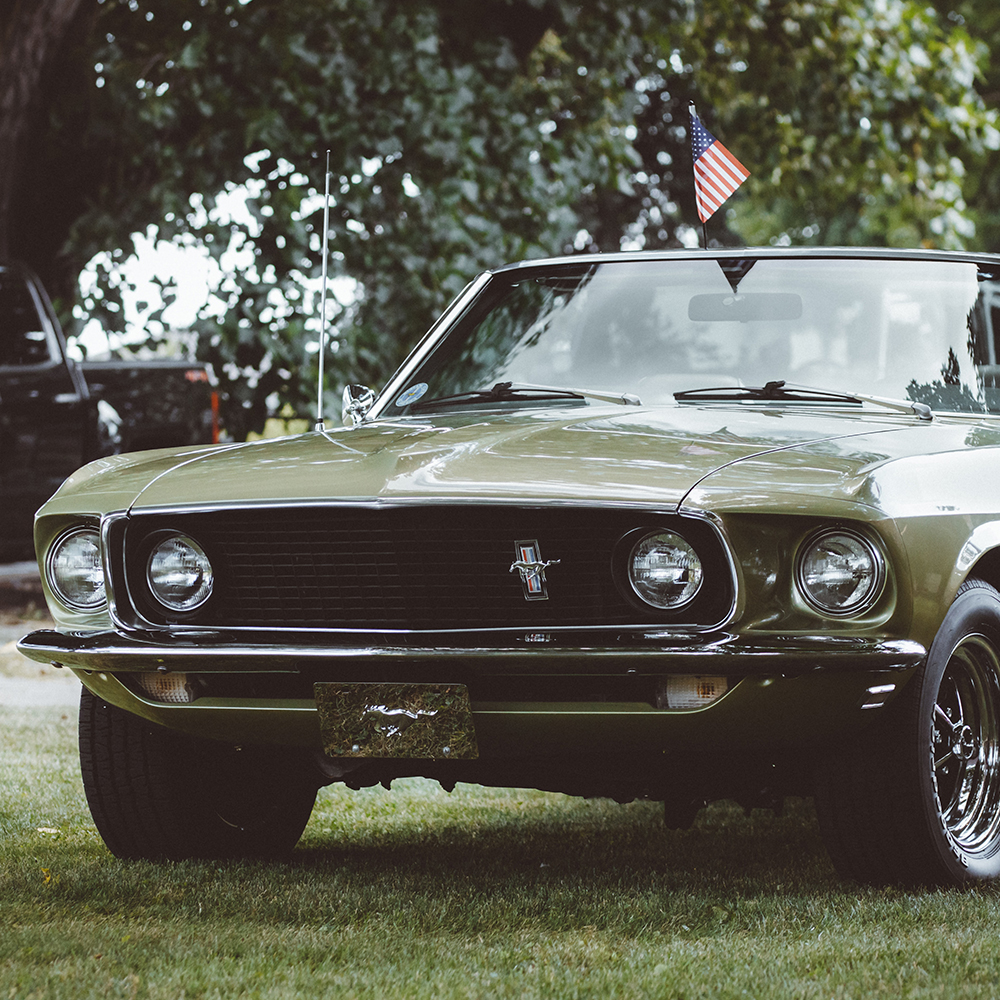
PCS-flexible scheduling · Base-area pickup
Quick Decision
Ship your POV or drive it — the 30-second PCS answer
For most CONUS PCS moves over 800 miles, shipping wins on cost and time. Below that, it's situational.
Head to Head
Open vs enclosed for military shipping
Most military families ship open. Enclosed is the right call for specific cases.
The Process
How military car shipping works with Navi
4 steps from quote to delivery — built around PCS timelines
Transparent Pricing
What military car shipping actually costs
Real PCS lanes with real prices — your military discount comes off the top
PCS car shipping pricing follows the same logic as any long-haul auto transport: per-mile rates drop as distance grows. A short PCS hop (under 500 miles) carries a higher per-mile rate because carrier fixed costs concentrate. Long-haul PCS moves — base-to-base across the country — get progressively cheaper per mile because those costs spread out.
Real PCS route examples
High-volume military lanes from our dispatch books — actual sedan prices on open transport:
Prices shown are open-transport sedans, military discount applied at booking. SUVs add ~$150. Trucks add ~$250. Enclosed runs 40–60% higher. Peak PCS season (May–August) can add 10–20%. OCONUS port handoffs priced separately.
What changes the price on a PCS shipment
- Distance. Per-mile rate steps down as miles increase. A short PCS hop costs more per mile than a coast-to-coast move.
- PCS season. May through August is peak PCS season. Carrier demand spikes and pricing can run 10–20% above normal. Book 2–4 weeks ahead during this window.
- Base location. Bases close to major interstates price standard. Remote bases (Fort Johnson, Fort Drum, JBER) add a deadhead surcharge of $50–$150 because carriers detour off corridor. Luke AFB is the opposite case — it sits inside the Phoenix auto transport market, one of the densest carrier pools in the Southwest.
- Vehicle size. SUVs add ~$150 to a sedan rate. Trucks add ~$250. Vans and full-size SUVs may price as truck-class.
- Open vs enclosed. Enclosed runs 40–60% more than open. Most PCS moves go open.
- Vehicle condition. Operable POV drives on and off. Non-running POV requires winch loading and limits carrier options.
- Booking lead time. Book 5–7 days ahead minimum. For peak PCS season, 10–14 days. Same-day pickup is possible via expedited service at 50–100% above standard.
Lane Guides
PCS corridors with a full lane guide
Base-to-base corridors we run often enough to have written up in detail — city-pair pricing, transit times, and the gate and access notes for each end
Your PCS corridor not listed? We run almost every lane in the country — browse all 50 route guides or get a price for your two ZIP codes.
Carrier Vetting
How we vet every carrier on a military shipment
6 checks. No exceptions. A carrier who can't coordinate around a base doesn't get the load.
PCS moves have hard deadlines that civilian shipments don't. A carrier who's late by two days on a relocation across town is annoying. A carrier who's late by two days on a PCS pickup means the service member misses their flight, breaks their report date, or burns leave they don't have. We screen for carriers who've worked military lanes before — they know the timing and the gate rules.
A carrier that fails any one of these doesn't get your load — military or civilian. The first check is the one most brokers skip: we won't assign a car-only hauler to a base shipment if they've never run one. PCS isn't a learning opportunity.
Coverage
Who we ship for
Every branch, every status, all 50 states and OCONUS port handoffs
PCS Essentials
What to know before your PCS shipment
The base-entry rules, the documents, the OCONUS handoff — none of this is on the typical broker's page
Honest Take
When commercial shipping isn't the right call
A few cases where driving or DPS is the better option for a PCS POV
Customer Reviews
What military families say about shipping with Navi
Recent reviews from active duty and veteran customers
Ready to ship your POV?
From $179 · Military discount at booking · No upfront payment · All 50 states
FAQ
Frequently asked questions
Direct answers to the most common military car shipping questions
How much does military car shipping cost?
Pricing starts at $179 for short PCS hops, with the military discount applied at booking. Real PCS examples: Fort Cavazos to Fort Carson runs about $649. Norfolk to San Diego is around $1,099. Fort Bragg to JBLM is about $1,199. Coast-to-coast routes like Fort Stewart to JBLM run around $1,299. SUVs add ~$150, trucks ~$250.
Do you offer military discounts?
Yes — for active duty, veterans, reservists, National Guard, and their dependents. The discount is applied at booking — flag your status when you request a quote and bring your military ID or DD-214 at pickup. The discount applies to both open and enclosed transport on routes nationwide.
Can carriers pick up or deliver on a military base?
Not usually. Most carriers don't have base access, and getting cleared isn't fast. The standard play: meet at a safe location just outside the gate — a nearby parking lot, gas station, or visitor lot. If you can sponsor the driver onto base, some installations allow it, but plan for the outside-the-gate option as default. Tell us at booking if you're picking up or delivering at a base so we coordinate the best meeting point.
What documents do I need for military car shipping?
You'll need your military ID (active, reservist, retiree, or dependent), your PCS orders (confirms relocation timeline), and your vehicle registration. The driver brings the Bill of Lading — you both sign it at pickup after the walkaround inspection.
How do I coordinate shipping around my PCS orders?
Get the quote as soon as your orders are cut. Share your report date and preferred pickup window when you book — we work backwards to set a pickup that lands the vehicle at your destination on time. PCS dates can shift, and we can shift with them. The earlier you book, the easier the reshuffling.
Does the military cover the cost of POV shipping?
For most CONUS PCS moves, no — the government provides mileage reimbursement if you drive, but doesn't cover commercial shipping. For OCONUS moves, the military will ship one POV through the Vehicle Processing Center; second vehicles and any commercial CONUS work is on you. Check with your S-1 or transportation office for current entitlement details.
How long does PCS car shipping take?
Pickup is 1–3 days from booking. Transit depends on distance: short PCS (under 500 miles) takes 1–3 days, mid-range (500–1,500 miles) takes 5–7 days, coast-to-coast PCS lanes take 7–9 days. During peak PCS season (May–August), add 1–2 days to the pickup window.
Can I ship personal belongings in my POV?
Up to 100 lbs of personal items in the trunk, secured in a box or suitcase, at no extra cost. Front seats and front floorboards must be empty. For more than 100 lbs, declare it at booking so we price it correctly. Personal items aren't covered by the carrier's cargo insurance — only the vehicle is.
What if my orders change after I book?
Tell us as soon as you know. If a carrier hasn't been assigned, rescheduling is free. If a carrier is already dispatched, we work with them on the new window — usually possible without penalty if there's reasonable notice. Cancellation policy is standard: no penalties before a carrier is assigned.
Do you ship to OCONUS locations?
We handle the CONUS leg of OCONUS shipments — pickup at your origin, delivery to a Vehicle Processing Center for ocean transit, or pickup from the destination VPC stateside. Direct overseas ocean transit isn't part of our service — your government-shipped POV goes through the VPC system, not commercial brokers.
Can I track my POV during shipment?
Yes. Every Navi shipment includes real-time GPS tracking through Navi Track 360™. You get pickup and delivery ETAs, location updates throughout transit, and direct access to support — useful when you're juggling a PCS and need eyes on the vehicle without chasing the driver.
Do I need to be there for pickup and delivery?
You or someone you authorize (18 or older) needs to be present at both pickup and delivery for the inspection walkaround, Bill of Lading signature, and condition confirmation. On a PCS move, if you've already flown to the next base, a spouse, family member, or designated rep can handle the delivery side.