
Driveaway service is a unique way to move a vehicle from one location to another without using a traditional car carrier. Instead of loading your car onto an open or enclosed truck, a professional driver is hired to physically drive your vehicle to its destination. For many car owners, this option can feel more personal, faster, and sometimes more convenient than standard auto transport. However, it also works very differently and comes with its own set of benefits and risks.
More people today are searching for flexible vehicle relocation solutions. Relocations for work, seasonal moves, military transfers, and online car purchases have created growing demand for alternatives to conventional auto shipping. Driveaway car transport fills that gap by offering a door-to-door service where your vehicle never leaves the road.
At the same time, many customers don’t fully understand what a vehicle driveaway service actually involves. Questions like “Is it safe?”, “How much does it cost?”, and “Who will be driving my car?” are common—and important. Unlike traditional auto transport, where a licensed carrier handles the move, driveaway service relies on an individual professional driver.
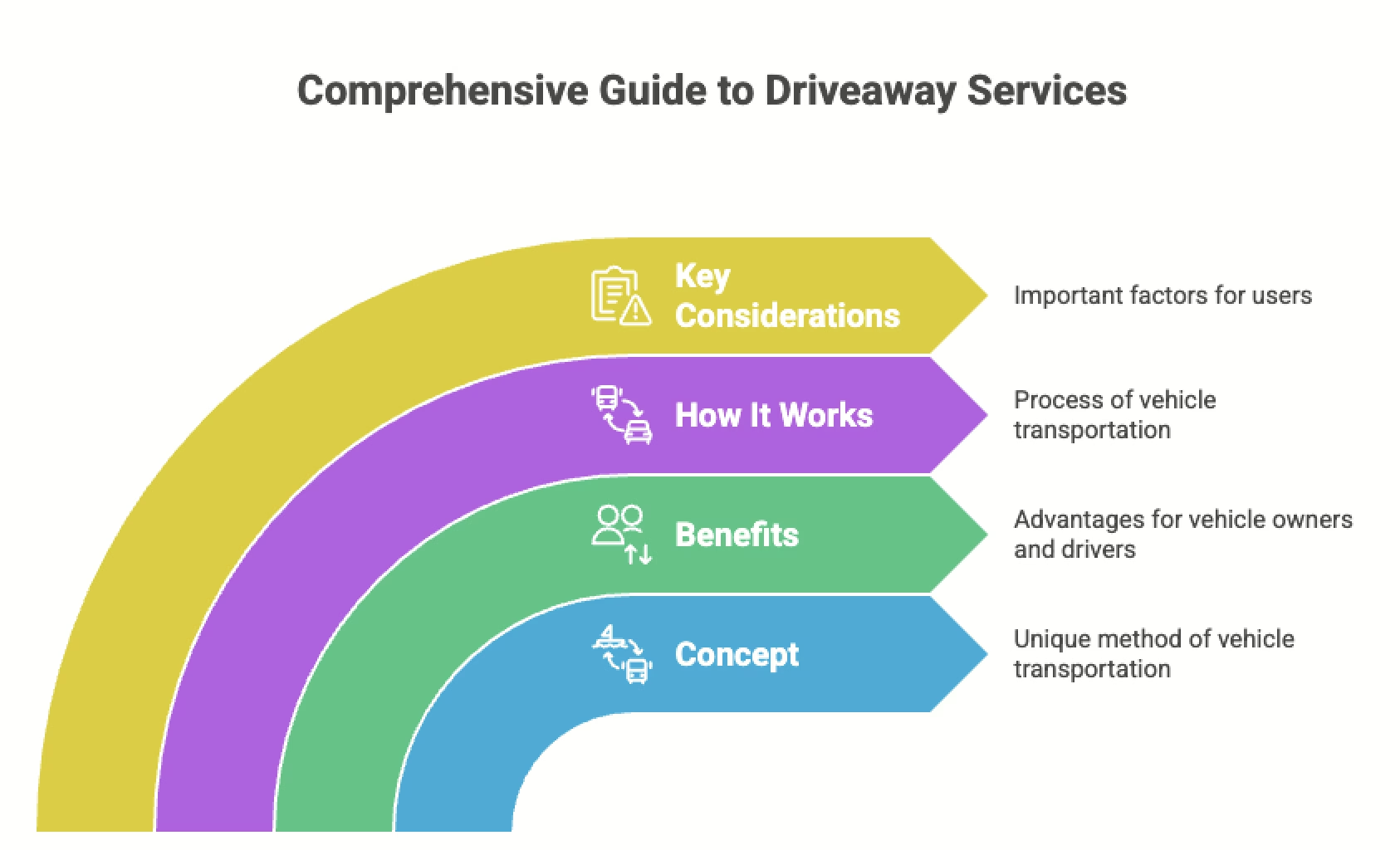
Summary
What Is Driveaway Service?
Driveaway service is a vehicle relocation method where a hired, professional driver personally drives your car from one location to another instead of transporting it on a truck. It is often called driveaway car transport, vehicle driveaway service, or simply a drive my car service. The key idea is simple: your vehicle is moved by road under its own power, just as if you were driving it yourself.
This type of service is commonly used for long-distance moves, corporate relocations, military transfers, seasonal snowbird travel, and out-of-state car purchases. Instead of arranging for a carrier to pick up your vehicle, you hire a qualified driver who picks it up at your home or business and delivers it directly to the destination.
Driveaway service differs from traditional auto transport in several important ways. With standard shipping, your car is loaded onto a trailer and hauled along with other vehicles. With driveaway auto transport, there is no trailer, no loading process, and no terminal waiting times—the car simply gets driven to where it needs to go.
How Driveaway Service Works (Step by Step)
Understanding how a vehicle driveaway service operates helps remove confusion and set clear expectations. While the concept is simple, the process follows several structured steps to ensure safety and reliability.
Step 1: Requesting a Quote
The process begins when you contact a driveaway provider and submit details about your vehicle, pickup and delivery locations, and preferred timeframe. Factors such as distance, vehicle type, and urgency determine the final price.
Step 2: Driver Selection and Assignment
Once the order is confirmed, the company matches your vehicle with a qualified professional driver. Reputable providers screen drivers through background checks, driving record verification, and experience requirements to ensure reliability.
Step 3: Pickup and Vehicle Inspection
At pickup, the driver completes a detailed condition report, notes mileage, and reviews any special instructions. Both parties sign documentation before the journey begins.
Step 4: The Transport Phase
The assigned driver follows an agreed route and schedule, keeping communication open with updates along the way. Unlike carrier shipping, there are no loading delays—your car moves immediately.
Step 5: Delivery and Final Handoff
Upon arrival, the vehicle is inspected again, paperwork is completed, and the service is finalized.
This structured process makes driveaway auto transport straightforward, transparent, and easy to manage for most customers.
Who Uses Driveaway Services?
Driveaway service appeals to a wide range of people who need a simple, flexible way to relocate a vehicle without dealing with traditional auto transport logistics. While it’s not the perfect option for every situation, certain groups benefit from it more than others.
One of the most common users is individuals relocating to another state. When someone is already flying to a new city or driving a moving truck, hiring a professional car driver service to move their personal vehicle can save time and stress. Snowbirds are another major audience—many seasonal travelers prefer to avoid long drives between northern and southern states and choose a long distance car delivery service instead.
Military personnel on PCS orders often use driveaway car transport when quick, short-notice moves are required. College students heading to school, corporate employees transferring offices, and retirees downsizing to a new home are also frequent customers.
Driveaway service is especially helpful for people buying cars out of state. Rather than flying out and driving the vehicle home themselves, they can hire someone to drive my car on their behalf.
In short, anyone who needs a fast, door-to-door vehicle relocation option without the scheduling constraints of a carrier truck is a strong candidate for vehicle relocation service.
How Much Does Driveaway Service Cost?
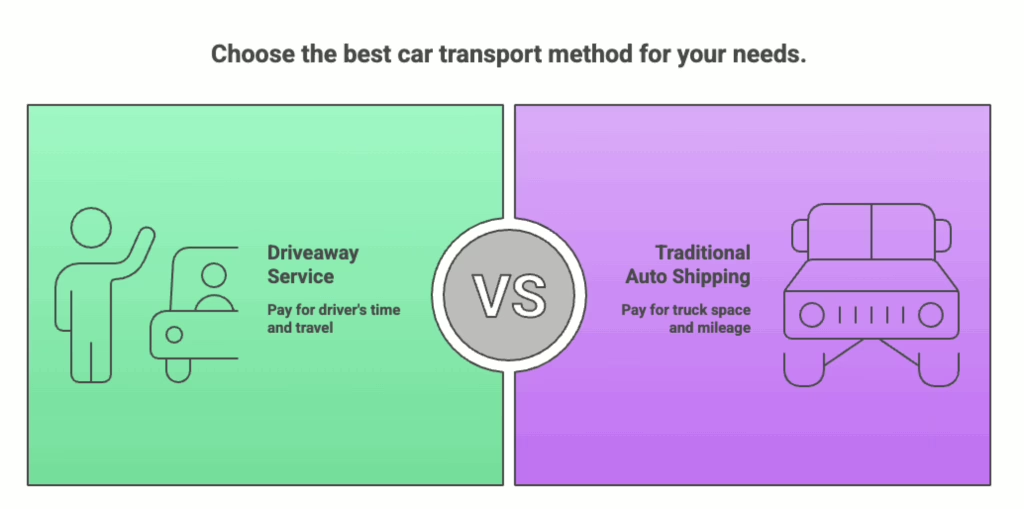
One of the first questions people ask is: How much does driveaway service cost? Pricing for a driveaway car transport move is calculated very differently from traditional auto shipping. Instead of paying for truck space, you are paying for a professional driver’s time, travel expenses, and mileage.
Most vehicle driveaway service providers price jobs using a per-mile rate. Typical costs range from $0.50 to $0.90 per mile, depending on route demand, vehicle type, and urgency. For example, a 1,000-mile trip might cost between $600 and $900, while a coast-to-coast move of 2,800 miles could range from $1,600 to $2,400.
Several factors influence the final price:
Distance and total driving time
Fuel costs and tolls
Driver lodging and return travel
Pickup and delivery flexibility
Vehicle size and condition
Last-minute scheduling requests
Unlike carrier shipping, there are no loading fees or terminals involved, but added expenses such as fuel and driver accommodations must be considered. In some cases, driveaway auto transport can be cheaper than trucking—especially for shorter routes. For long distances, however, traditional car shipping often becomes the more economical option.
Understanding these pricing elements helps you decide whether hiring someone to drive your car makes financial sense for your situation.
Is Driveaway Service Safe?
Safety is the biggest concern for anyone considering a driveaway auto transport option. After all, you are trusting another person to operate your personal vehicle over a long distance. The good news is that reputable professional car driver service companies take multiple steps to reduce risk and protect customers.
Most established driveaway providers carefully screen their drivers before assigning them to a job. This usually includes background checks, verification of a clean driving record, and confirmation of previous driving experience. Many companies only work with licensed, insured drivers who specialize in long-distance vehicle relocation.
Insurance is another key part of safety. In most cases, the vehicle remains covered under the owner’s existing auto insurance policy while it is being driven. Some driveaway companies also carry additional commercial liability insurance to provide extra protection. It’s important to ask upfront what coverage is included and whether any supplemental insurance is recommended.
However, there are still risks to understand. Because the car is driven rather than transported on a truck, mileage is added and normal road wear can occur. Stone chips, tire wear, or minor mechanical issues are possible, just as if you were driving the vehicle yourself.
Overall, vehicle driveaway service can be safe and reliable when handled by a professional company with clear policies, proper insurance, and experienced drivers. Choosing the right provider makes all the difference.
Pros and Cons of Driveaway Car Transport
Like any vehicle relocation method, driveaway car transport has clear advantages and disadvantages. Understanding both sides will help you decide whether this option fits your needs better than traditional auto shipping.
Advantages of Driveaway Service
One of the biggest benefits is speed and flexibility. Because there is no need to wait for a carrier truck to be scheduled, a drive my car service can often begin within days—or even sooner. This makes it ideal for last-minute moves or urgent relocations.
Driveaway service also provides true door-to-door convenience. There are no terminals, loading ramps, or multi-vehicle routes. Your car is picked up and delivered directly, without being transferred between trucks.
For short or medium distances, hiring someone to drive your car can sometimes be more affordable than booking a carrier, especially when truck availability is limited.
Disadvantages of Driveaway Service
The main downside is mileage. Because the vehicle is physically driven, hundreds or thousands of miles are added to the odometer. Normal road wear and tear—such as tire use or small rock chips—can occur.
Insurance coverage can also be more complicated than with standard auto transport. Additionally, for very long distances, traditional shipping is usually the cheaper and safer option.
Driveaway service works best when speed and flexibility matter more than keeping mileage low.
Driveaway Service vs Traditional Auto Transport
Choosing between driveaway service and standard auto transport depends on your priorities. Both methods move a vehicle from point A to point B, but they work in completely different ways and serve different needs.
With traditional auto transport, your car is loaded onto an open or enclosed carrier and shipped along with other vehicles. This method keeps mileage off your vehicle and is generally the preferred option for long-distance moves, luxury cars, classic vehicles, and situations where minimizing risk is important.
Driveaway service, on the other hand, relies on a professional driver to operate your car directly. There are no trailers, loading schedules, or terminals involved. This makes vehicle driveaway service more flexible and often faster to arrange, especially on short notice or for routes that are difficult for carriers to cover.
Here is a simple way to compare the two:
-
Best for speed and flexibility: Driveaway auto transport
-
Best for protecting mileage: Carrier shipping
-
Best for high-value vehicles: Enclosed auto transport
-
Best for remote locations: Driveaway service
-
Best overall value for long distances: Traditional auto transport
For a 300–800 mile relocation, hiring someone to drive your car may be convenient and cost-effective. For cross-country moves over 1,500 miles, carrier transport usually provides better pricing and lower overall risk.
How Long Does Driveaway Service Take?
One of the main reasons people choose a driveaway car transport option is speed. Since there is no need to wait for a carrier truck to be scheduled, pickup and delivery timelines are usually more predictable and faster than traditional shipping.
In most cases, a professional driver can cover between 400 and 600 miles per day, depending on road conditions, traffic, and legal driving limits. This means a 1,000-mile relocation typically takes 2 to 3 days, while a coast-to-coast trip of 2,500–3,000 miles may take 5 to 7 days.
The overall timeframe depends on several factors:
-
Total driving distance
-
Weather and road conditions
-
Driver availability
-
Pickup and delivery flexibility
-
Required rest breaks and overnight stops
Because the vehicle is driven directly from origin to destination, there are no delays related to loading other cars, terminal transfers, or multi-stop routes. This makes driveaway auto transport especially attractive for customers with tight schedules.
For urgent situations—such as last-minute relocations, job transfers, or vehicle purchases—many companies can arrange a professional car driver service within 24–48 hours. Traditional car shipping, by comparison, often requires several days just to secure a carrier.
While driveaway service is usually faster, it is important to plan realistically. Long routes still require multiple days on the road, and unexpected delays like storms or traffic can extend delivery times.
How to Choose a Reliable Driveaway Company
Not all vehicle driveaway service providers operate the same way, so choosing the right company is critical. Since you are allowing someone to personally drive your car long distance, trust, transparency, and professionalism matter more than anything else.
Start by researching the company’s reputation. Look for online reviews, customer testimonials, and clear business credentials. A reliable provider should be easy to contact, willing to answer detailed questions, and transparent about their process. If a company avoids discussing insurance, driver screening, or contracts, consider that a red flag.
Always ask how drivers are selected. Reputable companies verify driving records, conduct background checks, and only work with experienced professionals. You should know exactly who will be driving your vehicle before pickup.
Request a written agreement that clearly explains pricing, insurance coverage, pickup and delivery timelines, and responsibility for fuel, tolls, and lodging. A trustworthy long distance car delivery service will never operate on verbal promises alone.
Key questions to ask include:
-
Who provides insurance during the trip?
-
How are drivers vetted and approved?
-
Will I receive status updates during transport?
-
What happens in case of delays or mechanical issues?
-
Is the price guaranteed in writing?
Taking time to compare providers and ask the right questions ensures your driveaway auto transport experience is smooth, safe, and stress-free.
Alternatives to Driveaway Service
While driveaway car transport can be a convenient solution, it is not always the best option. Depending on your vehicle type, budget, and timeline, traditional auto transport methods may offer better value and lower risk. Understanding the alternatives helps you make a smarter decision.
Open Carrier Auto Transport
Open carrier shipping is the most common and affordable way to move a vehicle. Your car is loaded onto a multi-vehicle trailer and transported without accumulating any mileage. This option is ideal for standard cars, SUVs, and everyday vehicles. For long-distance moves, open transport is usually cheaper than hiring someone to drive your car.
Enclosed Auto Transport
For high-value, classic, luxury, or exotic vehicles, enclosed auto transport provides maximum protection. The vehicle is placed inside a covered trailer, shielding it from weather and road debris. Although more expensive, it is far safer than any form of vehicle driveaway service for expensive or delicate cars.
Terminal-to-Terminal Shipping
Some customers choose to drop off and pick up their vehicle at shipping terminals instead of using door-to-door service. This can lower the price, especially on popular routes, and is often more cost-effective than a professional car driver service.
Car Towing Services
For short moves within the same city or state, towing may be a practical alternative. This is useful for non-running vehicles or cars that should not be driven long distances.
Each of these options eliminates added mileage and wear on your vehicle—something driveaway service cannot avoid. For many people, especially on routes over 1,000 miles, traditional auto transport remains the smarter and safer choice.
When You Should NOT Use Driveaway Service
Although driveaway auto transport can be a practical solution in many situations, there are times when it simply isn’t the right choice. Knowing when to avoid a drive my car service is just as important as knowing when to use one.
The first situation is with high-value or specialty vehicles. Luxury cars, classic vehicles, antiques, and exotic models are usually better suited for enclosed auto transport. Because driveaway service requires the car to be driven on public roads, there is always a risk of minor wear, rock chips, or unexpected damage. For expensive vehicles, adding mileage and exposure is rarely worth the savings.
Vehicles with mechanical issues or reliability concerns are also poor candidates for driveaway service. If your car has old tires, questionable brakes, or existing maintenance problems, sending it on a long road trip with a hired driver can create serious complications.
Extremely long routes are another scenario where driveaway service may not make sense. For trips over 1,500–2,000 miles, traditional carrier shipping is often cheaper, safer, and more practical. The longer the distance, the more fuel, lodging, and time expenses add up.
Finally, if keeping your odometer low is important—for example with leased vehicles or low-mileage cars—driveaway transport is not ideal.
Frequently Asked Questions
What is a driveaway service?
Driveaway service is a method of moving a vehicle where a hired professional driver personally drives your car from the pickup location to the destination instead of shipping it on a truck.
How does a driveaway service work?
You book the service, a qualified driver is assigned, your vehicle is inspected at pickup, and the driver transports it directly to the delivery address. The car remains on the road the entire time.
Is driveaway service safe?
Yes—when you use a reputable provider with screened drivers, proper insurance, and clear procedures. However, normal road risks and added mileage should always be considered.
How much does driveaway service cost?
Most services charge between $0.50 and $0.90 per mile, depending on distance, vehicle type, and scheduling needs. Additional costs like fuel and tolls may apply.
Can I hire someone to drive my car cross country?
Yes. A professional car driver service can move your vehicle coast to coast, usually within 5–7 days.
Is driveaway cheaper than car shipping?
For short routes it can be. For long distances, traditional auto transport is typically more affordable.
Who drives the car in a driveaway service?
A pre-screened, experienced driver employed or contracted by the driveaway company.
Does driveaway service include insurance?
Coverage varies by provider. In most cases your personal auto insurance remains active, and some companies add supplemental coverage.
How long does driveaway service take?
Most drivers travel 400–600 miles per day, so timelines depend on total distance.
What are the risks of driveaway car transport?
The main risks are added mileage, normal wear and tear, and potential road hazards.
Final Thoughts: Is Driveaway Service Right for You?
Driveaway service can be a smart and practical vehicle relocation option—but only when it matches your specific needs. If you require fast scheduling, flexible pickup dates, and direct door-to-door delivery, hiring a professional car driver service may be exactly what you’re looking for. For short or mid-range distances, it can even be a convenient alternative to traditional auto shipping.
Comparison Table
| Feature | Driveaway Service | Auto Transport |
|---|---|---|
| Mileage Added | Yes | No |
| Door-to-Door | Yes | Yes |
| Fast Scheduling | Very Fast | Moderate |
| Best for Long Distance | Not Ideal | Ideal |
| Best for Luxury Cars | No | Yes |
| Cost Efficiency | Short Routes | Long Routes |