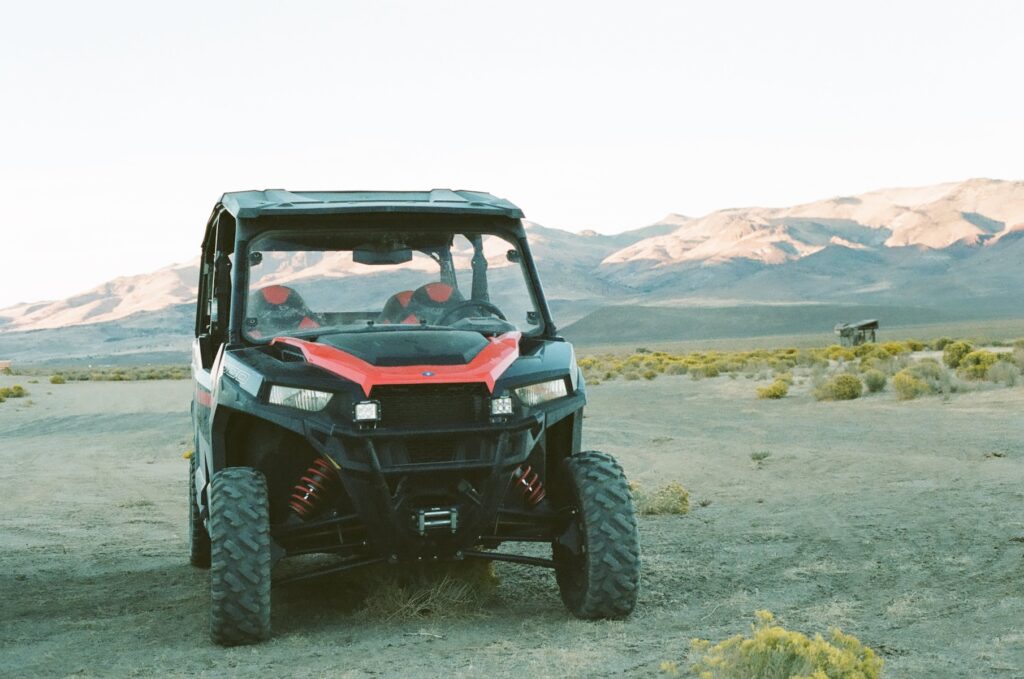
Shipping a UTV isn’t the same as shipping a regular car — and if you own a Polaris RZR, Can-Am Maverick, Honda Talon, Yamaha Wolverine, or any other side-by-side, you already know how valuable these machines are. They’re wider, heavier, often modified, and built for rugged terrain, which means they require special handling, proper equipment, and experienced transport carriers.
This guide breaks down everything you need to know: transport options, pricing, preparation tips, timelines, and what to expect when booking a professional UTV shipping service.
Summary
What Is UTV Transport?
UTV transport is the process of moving a Utility Terrain Vehicle from one location to another using a licensed auto carrier. Unlike ATVs or motorcycles, UTVs are larger and often feature roll cages, lift kits, or oversized tires, requiring specific trailer types and careful loading.
A professional transport service ensures your side-by-side arrives safely, insured, and on time — whether you’re relocating, heading to an off-roading event, or selling your UTV across the country.
How Much Does UTV Transport Cost?
Most UTV shipments fall between $400 and $1,200, depending on several factors:
1. Distance
-
Short distances (100–300 miles): $350–$550
-
Medium distances (300–800 miles): $550–$850
-
Long-distance or cross-country: $850–$1,200+
2. UTV Size & Modifications
Wider UTVs, lift kits, aftermarket parts, and oversized tires may require specialized trailers or additional space.
3. Open vs Enclosed Transport
-
Open car Transport: Most affordable, commonly used for standard UTVs
-
Enclosed auto Transport: Premium protection for luxury, modified, or high-value UTVs
4. Pickup Location
Remote or rural areas may increase cost due to limited carrier availability.
5. Expedited Service
If you need the UTV picked up within 24–48 hours, the price increases due to priority scheduling.
How Long Does It Take to Ship a UTV?
Transit times usually mirror standard car shipping timelines:
-
Short distances: 1–3 days
-
Medium distances: 3–5 days
-
Long distances: 5–8 days
-
Coast-to-coast: 7–10 days
Weather, route demand, and carrier availability can affect timing, especially during peak moving seasons.
UTV Transport Options
1. Open Trailer Transport
This is the most common and affordable method. Your UTV is secured on a flatbed trailer with heavy-duty straps and wheel chocks. Ideal for standard UTVs used for recreation or work.
2. Enclosed Trailer Transport
Best for high-value, customized, or show-quality UTVs. It protects the vehicle from weather, road debris, and dust during transit.
3. Crated UTV Shipping
Some customers prefer the UTV to be crated for maximum protection, especially for international or long-distance shipments.
How to Prepare Your UTV for Transport
Proper preparation ensures safety and avoids delays.
1. Clean the Vehicle
A clean UTV makes inspection easier and helps document condition before pickup.
2. Remove Loose Items
Take off:
-
Tools
-
Spare parts
-
Coolers
-
Gear bags
-
Personal accessories
Carriers cannot insure loose items.
3. Lower the Fuel Level
Keep fuel at about ¼ tank — enough to load but safe for transport.
4. Document the Condition
Take photos of:
-
All sides
-
Tires
-
Accessories
-
Any existing damage
5. Disable Alarms
If your UTV has an alarm or tracking device, switch it off for transport.
Why Professional UTV Transport Matters
UTVs are powerful machines built for rugged use — but shipping them wrong can cause serious damage.
Here’s why choosing professionals matters:
-
Proper tie-down points prevent frame stress
-
Experienced drivers know how to load wide-stance vehicles
-
Insurance coverage protects your investment
-
Enclosed options shield high-value machines
-
Reliable carriers guarantee predictable delivery timelines
Your UTV isn’t just a vehicle — it’s a major investment. Transporting it safely requires expertise.
Popular Reasons People Ship Their UTV
-
Moving to a new state
-
Sending a UTV to a buyer
-
Attending off-roading events and races
-
Deliveries for dealerships
-
Sending a UTV to a vacation property
-
Seasonal relocations (snowbirds, cabin owners, campers)
UTV Transport FAQs
How do I get a quote to ship my UTV?
Quotes are based on your pickup/delivery locations, UTV size, modifications, and preferred transport method. Provide the dimensions and any aftermarket additions for accurate pricing.
Can I ship a modified UTV?
Yes — but modifications (lift kits, oversized tires, cages) may require additional space or an enclosed trailer.
Is my UTV insured during transport?
Yes. All professional carriers must include cargo insurance. You will also receive a documented inspection report at pickup.
Can I leave accessories inside the UTV?
No. All loose items must be removed for safety and insurance reasons.
Do UTVs need to be running to ship them?
Not necessarily — non-running UTVs can be shipped, but they require special loading equipment, which may add to the cost.
What trailers are used for UTV shipping?
Most carriers use flatbed trailers, hydraulic liftgate trailers, or enclosed car haulers depending on your UTV’s size and configuration.