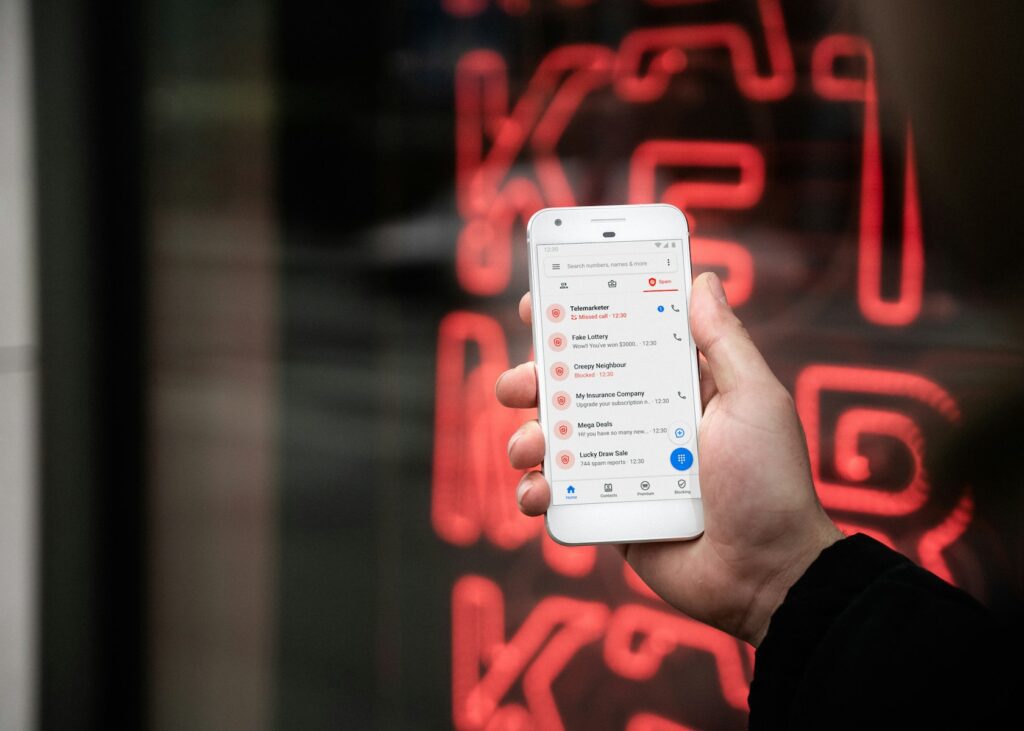
Safe auto transport is crucial for protecting your vehicle and ensuring a stress-free relocation process. Whether you’re moving across the country or purchasing a vehicle from a distant seller, entrusting your vehicle to a reputable transport company is paramount to avoid potential scams and pitfalls. This article aims to educate readers about the red flags and warning signs associated with auto transport scams. By equipping readers with the knowledge to recognize these scams, they can make informed decisions when selecting a transport company and safeguard themselves against fraudulent practices. Before delving into specific red flags, it’s essential to understand the landscape of auto transport scams. From bait-and-switch tactics to fake reviews and unscrupulous brokers, the industry unfortunately harbors various fraudulent schemes that unsuspecting customers may fall victim to. Identifying these scams early can save both time and money, ensuring a smooth and reliable transport experience.
Summary
Researching Auto Transport Companies
Background Check on Companies
Before committing to an auto transport company, conducting a thorough background check is imperative. This involves verifying essential credentials such as licensing and insurance. Additionally, researching the company’s reputation through online reviews and testimonials provides valuable insights into their track record and reliability. For the complete 5-point vetting checklist — including the exact FMCSA lookup and the questions that expose a bad broker in one call — see our guide on how to choose a car shipping company.
Comparing Multiple Quotes:
Obtaining quotes from multiple companies is key to finding a reputable and affordable auto transport service. However, it’s essential to go beyond just comparing prices. Ensuring that quotes are provided in writing and scrutinizing for any discrepancies or overly low offers helps to avoid potential scams and hidden costs
Recognizing Red Flags in Auto Transporter
Lack of Transparency:
One of the most significant red flags in auto transport is a lack of transparency from the company. This includes undisclosed fees and charges that may surface later in the process, as well as vague or evasive responses to inquiries about the transport service. Clear communication and upfront disclosure are vital indicators of a trustworthy company.
Pressure Tactics:
Be wary of companies employing pressure tactics to secure your business hastily. Urgency to book immediately or aggressive sales pitches should raise concerns. Reputable auto transport companies understand the importance of allowing customers to make informed decisions at their own pace, without feeling rushed or coerced
Understanding the Role of Auto Brokers vs. Carriers
Distinction Between Brokers and Carriers:
It’s essential for consumers to understand the difference between auto transport brokers and carriers. Brokers act as intermediaries, connecting customers with carriers, while carriers are the ones physically transporting the vehicles. Knowing this distinction helps in navigating the complexities of the auto transport industry and making informed choices.
Risks Associated with Unreliable Brokers:
While some brokers provide valuable services, others may engage in deceptive practices or work with unreliable carriers. Customers should be cautious of brokers who prioritize profit over customer satisfaction and fail to vet the carriers they work with. This can lead to delays, damages, or even scams.
Benefits of Direct Communication with Carriers:
Directly communicating with carriers can offer several advantages, including clearer expectations, better coordination, and potentially lower costs. By bypassing brokers, customers have more control over the transport process and can address any concerns or issues directly with the party responsible for transporting their vehicle.
Tips for Ensuring a Safe Auto Transport
Thoroughly Reviewing Contracts:
Before finalizing any agreements, carefully review the contract provided by the auto transport company. Pay close attention to terms and conditions, especially regarding liability, insurance coverage, and cancellation policies. Understanding these details upfront helps prevent misunderstandings and ensures you’re adequately protected throughout the transport process.
Securing Proper Documentation:
Documentation is crucial for safeguarding your interests during auto transport. Ensure you receive a comprehensive Bill of Lading detailing the condition of your vehicle upon pickup and delivery. Additionally, keep records of all communication with the transport company, including emails, contracts, and any agreements made. These documents serve as valuable evidence in case of disputes or discrepancies.
Conclusion
In summary, navigating the auto transport industry requires diligence and awareness of potential scams. By researching companies, recognizing red flags, and understanding the roles of brokers and carriers, consumers can mitigate risks and ensure a safe transport experience. Thoroughly reviewing contracts and securing proper documentation further enhances protection and peace of mind.
Encouragement to Prioritize Safety in Auto Transport:
Safety should always be the top priority when entrusting your vehicle to an auto transport company. Taking proactive steps to verify credentials, ask questions, and document agreements helps safeguard against scams and ensures a smooth transport process.
Call to Action for Submitting Lead Details:
If you’re in need of reliable auto transport services, we encourage you to reach out and submit your lead details. Our team is dedicated to connecting you with reputable carriers who prioritize safety, transparency, and customer satisfaction. Don’t hesitate to take the first step towards a stress-free transport experience by contacting us today.
Auto Transport Scam Prevention FAQ — Red Flags to Watch For
1. Are auto transport scams common?
Yes. Unfortunately, auto transport scams are one of the most common issues customers face when searching for cheap car shipping online. Scams increase during peak moving seasons and often target customers under time pressure.
2. What are the most common auto transport scams?
Common scams include:
-
Brokers demanding full payment upfront before pickup
-
Unrealistically low quotes that increase later
-
Companies refusing to provide carrier details
-
Fake FMCSA numbers or inactive authority
-
Lack of written contracts or Bills of Lading
These tactics are designed to lock you in before problems appear.
3. How can I tell if a car shipping quote is too good to be true?
If a quote is significantly lower than all others, it’s usually a red flag. Legitimate pricing reflects fuel costs, carrier demand, distance, and vehicle size. Scammers often bait customers with low prices, then raise the cost after booking.
4. Should I pay a car shipping company in full before pickup?
No. Reputable auto transport companies typically collect payment at pickup or delivery. Requests for full payment weeks in advance—especially via wire transfer or gift cards—are a major warning sign. On special occasions, such as transporting a vehicle to or from Hawaii or Alaska, companies may require a wire transfer to cover the boat reservation.
5. How can I verify if an auto transport company is legitimate?
You should always confirm:
-
Active FMCSA authority
-
Valid USDOT and MC numbers
-
Business history and reviews
-
Clear contact information
-
Written service agreement
A legitimate company will provide this information willingly.
6. What questions should I ask before booking?
Ask questions like:
-
Who is the carrier transporting my vehicle?
-
Is the price guaranteed or an estimate?
-
What insurance coverage is included?
-
What happens if pickup is delayed?
Avoid companies that dodge or rush through these answers.
7. Are online reviews always reliable?
Not always. Some companies manipulate reviews or hide negative feedback. Look for consistent patterns across platforms, realistic feedback, and detailed customer experiences rather than generic five-star comments.
8. What are signs of a fake or unreliable broker?
Warning signs include:
-
No physical business address
-
Pressure to book immediately
-
Poor communication after deposit
-
Changing terms verbally but not in writing
-
Refusal to explain pricing clearly
Professional brokers focus on transparency, not urgency.
9. What is a Bill of Lading and why is it important?
The Bill of Lading documents your vehicle’s condition at pickup and delivery. It serves as both a receipt and inspection report. Never ship without one—it’s essential for accountability and insurance claims.
10. What should I do if I suspect a scam?
Stop communication immediately, do not send payment, and document all interactions. Report the company to the FMCSA and dispute any charges with your payment provider if needed.
11. Can a legitimate company still increase the price later?
In rare cases, price adjustments may happen due to inaccurate vehicle details or inaccessible locations. However, reputable companies explain this clearly upfront and never surprise customers without valid reasons.
12. How does insurance protect me from scams or damage?
Carrier insurance covers physical damage during transport, not fraud. That’s why choosing a vetted, insured, and verified carrier is just as important as the insurance itself.
13. How can I avoid auto transport scams altogether?
The safest approach is to work with established companies that offer:
-
Verified carriers
-
Clear pricing explanations
-
Written agreements
-
Transparent insurance coverage
-
Dedicated customer support
Avoid rushing decisions and always verify before booking.
14. Why choose us to avoid auto transport scams?
-
Vetted carrier network
-
Transparent, upfront pricing
-
No bait-and-switch tactics
-
Clear documentation at every step
-
Support before, during, and after transport
We focus on protecting customers, not just booking orders.