
Vehicle pickup day is one of the most important—and often the most misunderstood—parts of the auto transport process. For many customers, this is the first time they’ve ever shipped a vehicle, so questions naturally come up: When will the driver arrive? What do I need to prepare? How does the inspection work? What if my street is too small? This guide answers those questions clearly and calmly, using real industry data and real-world examples so readers feel confident before the carrier arrives.
Pickup day isn’t just about loading a car onto a truck. It’s a sequence of coordinated steps involving dispatch scheduling, location verification, pre-trip communication, and a federally required inspection called the Bill of Lading (BOL). Understanding these steps reduces stress, avoids avoidable delays, and cuts down on WISMO (“where is my driver”) calls by setting accurate expectations from the start.
Summary
What Happens on the Day Your Car Is Picked Up?
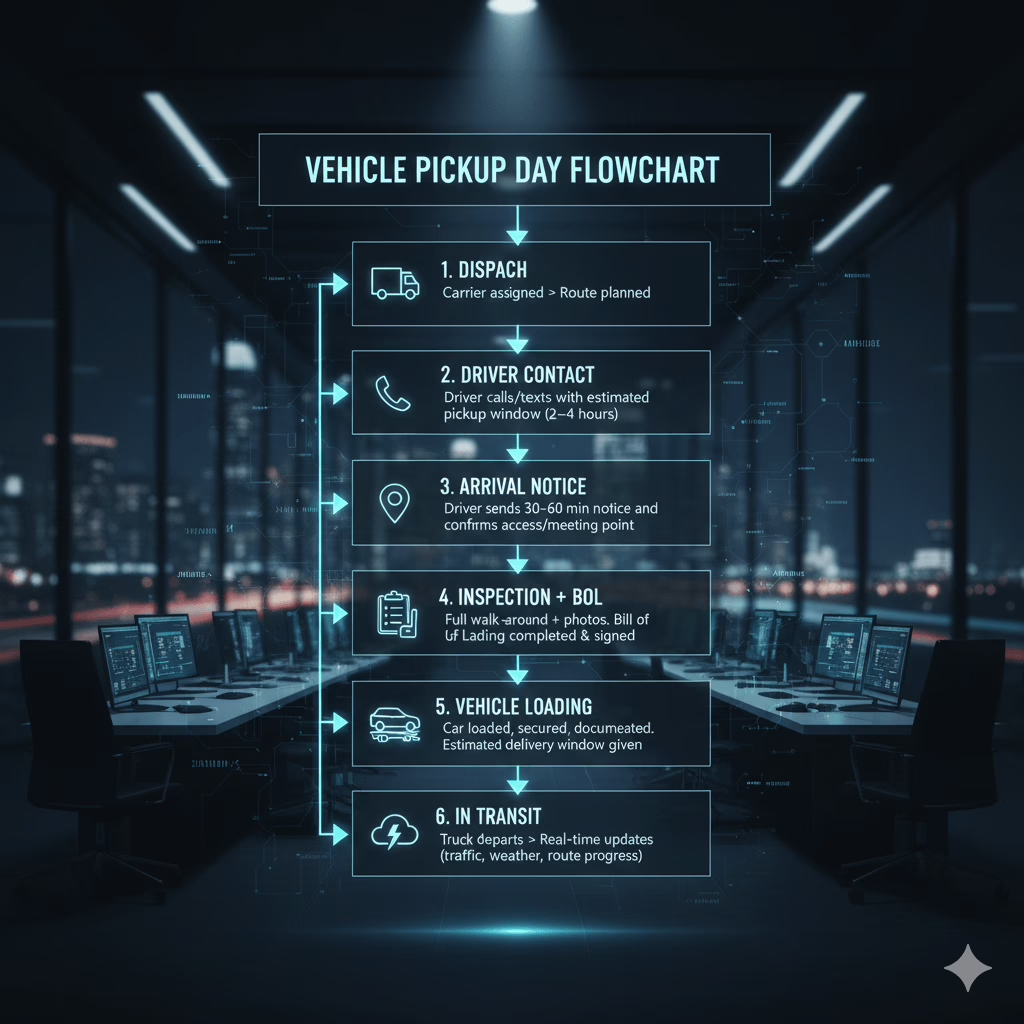
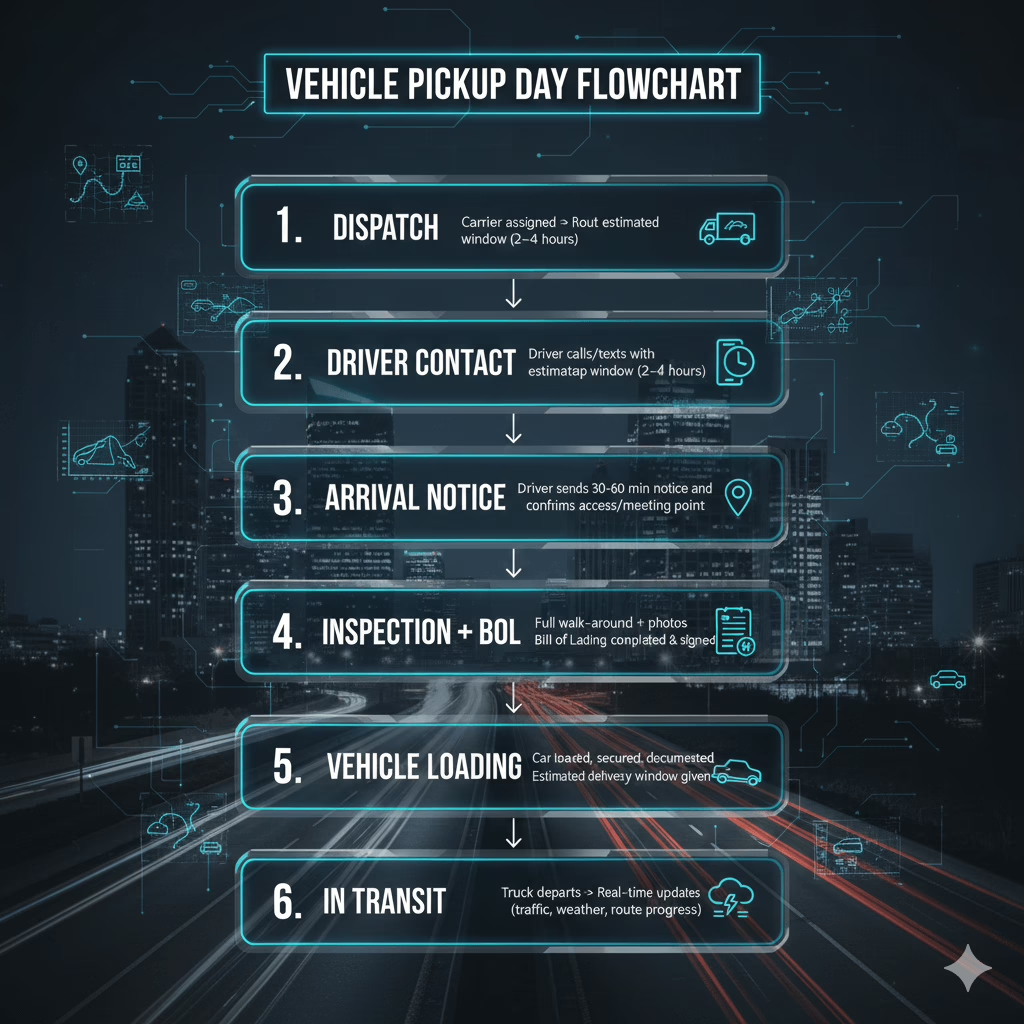
Vehicle pickup day follows a predictable sequence, even though exact timing can vary based on distance, driver location, traffic, and weather. Understanding this flow helps customers know exactly what’s happening behind the scenes so nothing feels uncertain or rushed.
First, dispatch confirms your carrier assignment. Once a driver is locked in, they begin planning the route and verifying access to your pickup address. Most carriers run tight schedules, so they build your stop into their already-planned day.
Next, the driver reaches out. Expect a call or text with an estimated arrival window—typically a 2–4-hour range. This communication establishes a meeting point, clarifies directions, and ensures someone is available to release the vehicle.
When the driver arrives, the inspection begins. Before loading, they perform a full walk-around and document the vehicle’s current condition on the Bill of Lading (BOL). This protects both the customer and the carrier, making it one of the most important steps of the entire process.
Finally, the vehicle is loaded onto the truck. Drivers secure the car, verify signatures, and provide an estimated delivery timeline.
This structured process keeps everything transparent, organized, and stress-free—especially for customers shipping a vehicle for the first time.
Understanding the Driver’s Pickup Window
One of the most common questions customers have on vehicle pickup day is: “When exactly will the driver arrive?” While every carrier aims for precision, auto transport operates within a dynamic environment where timing can shift. Understanding how pickup windows work helps set realistic expectations and reduces stress.
Most drivers provide a 2–4 hour pickup window. This allows them to navigate variables like traffic, weather, DOT inspections, tight residential streets, and unexpected loading delays from earlier appointments. Industry data shows that over 63% of pickup delays come from factors outside the driver’s control—most commonly congestion, mechanical slowdowns, and prior customers not being ready at pickup.
Carriers maintain communication throughout the day to keep the customer informed. It’s standard for a driver to call or text at least 30–60 minutes before arrival, giving you time to prepare the vehicle and meet them at the chosen location. If conditions change, you’ll typically receive updates in real time.
While this window may feel broad, it’s what ensures safe, compliant transport and helps drivers keep schedules consistent across multiple pickups and deliveries. By knowing what affects the arrival time, customers can plan confidently and avoid unnecessary worry on pickup day.
Do You Need To Be Present?
Being present on vehicle pickup day isn’t always required, but it’s strongly recommended—mainly because you play an important role in verifying the vehicle’s condition and signing the Bill of Lading (BOL), which acts as the legal contract for transport. That said, the industry understands that customers have busy schedules, so there are flexible options that still keep everything compliant.
If you can’t be there, you can designate someone you trust: a family member, friend, neighbor, building manager, or dealership representative. They simply need to be 18 or older, have access to the keys, and be authorized to sign the paperwork. Many customers choose this option when they’re traveling, moving on a strict timeline, or coordinating a pickup from a storage facility.
What matters most is that the person releasing the vehicle understands the basics: where the car is parked, whether it has any pre-existing damage, and how to hand off the keys. They should also stay present during the inspection so the condition is documented accurately.
As long as someone is available to hand over the vehicle and complete the inspection process, pickup can move forward smoothly—even without the primary owner physically present.
Required Documents for Vehicle Pickup
One of the easiest ways to ensure a smooth vehicle pickup day is to have the right documents and access items ready before the driver arrives. Auto transport doesn’t require a long list of paperwork, but the few essentials you do need are important for verifying ownership, legal compliance, and proper inspection.
The most common requirement is simple:
-
A valid government-issued ID (you or the person releasing the vehicle)
-
The keys to the vehicle — including remote fobs
-
Any access instructions (gate codes, parking garage passes, storage unit release forms)
In most cases, that’s all you need. Auto transport carriers typically do not ask for registration, insurance cards, or vehicle titles. However, there are exceptions. If the car is part of a lease or financed through a lender, some companies require a release authorization or proof that the vehicle can be transported across state lines. Fleet vehicles, business-owned cars, and relocation-company transports may have additional paperwork depending on internal policies.
If someone else is handing off the car, make sure they know they’re authorized to sign the Bill of Lading (BOL) on your behalf — since this document verifies pre-pickup condition and becomes the legal record for delivery.
Having these simple items ready helps avoid delays, confusion, and unnecessary back-and-forth with the carrier.
Inspection & Bill of Lading (BOL) — What Really Happens
The inspection and Bill of Lading (BOL) process is the most important part of vehicle pickup day because it protects both you and the carrier from misunderstandings. This step creates the official record of your vehicle’s condition before loading, and it becomes the reference point for delivery—so accuracy matters.
When the driver arrives, they’ll start with a full visual walk-around inspection. They check for cosmetic issues like scratches, dings, dents, paint chips, cracked glass, or previous bumper damage. Using a digital or paper form, the driver marks all visible imperfections, notes overall condition, and may take their own photos. This is standard practice and required by most carriers and insurance providers.
You should take your own photos as well—ideally 8–12 clear shots from multiple angles, plus close-ups of any existing marks. This only takes a minute and provides extra peace of mind.
Once the condition is documented, both parties sign the Bill of Lading (BOL). This document includes:
-
Pickup details
-
Vehicle information (VIN, mileage, condition)
-
Pre-existing damage notes
-
Driver and customer signatures
-
Estimated delivery timing
No vehicle is legally allowed to be transported without this document. At delivery, you’ll compare the vehicle’s condition against the original BOL to verify everything matches.
This process isn’t designed to be stressful—it’s a safeguard that ensures fairness, clarity, and transparency for everyone involved.
Does Your Car Need To Be Empty?
Whether your car needs to be empty on pickup day is one of the most common questions drivers hear, and the answer comes down to safety, weight limits, and insurance rules. Your vehicle does not need to be completely empty — but there are clear restrictions every customer should understand before the carrier arrives.
Most carriers allow up to 100 lbs. of personal items in the trunk area only. This limit exists because DOT regulations monitor truck weight, and overloaded shipments can lead to fines or forced offloading at roadside inspections. Items must be soft, non-fragile, and secured so they don’t shift during transport.
What’s not allowed:
-
Electronics, valuables, or anything irreplaceable
-
Boxes stacked above window level
-
Suitcases or storage bins
-
Hazardous materials (cleaners, fuel cans, tools, chemicals)
-
Items in the front or back seats
Insurance is another key factor. The carrier’s cargo insurance covers the vehicle itself, not personal belongings. Anything left inside travels at the customer’s risk. For this reason, the driver may decline pickup if a car is significantly overloaded or packed above the allowed limits.
A good rule of thumb: keep it light, keep it low, and keep it in the trunk. Following these guidelines ensures the vehicle can be loaded smoothly, safely, and on schedule.
Driver Communication Standards
Clear communication is one of the biggest factors that determines how smooth your vehicle pickup day feels. Drivers follow a consistent communication protocol so customers know where they stand, what the timing looks like, and how to prepare before the truck arrives.
Most carriers begin with a pre-arrival call or text, typically made earlier in the day or when the driver is completing the stop before yours. This message includes an estimated time window, any access questions, and confirmation of who will be meeting the driver. Industry standards show that 85% of drivers communicate at least twice before arriving—once to give the window, and once when they’re 30–60 minutes away.
Once the driver is close, they’ll send a second update. This final notice helps customers move vehicles out of garages, clear driveways, or relocate to a nearby pickup-friendly area if needed.
In situations where cell signal is weak—rural roads, mountains, tunnels—updates may be delayed. Drivers will reconnect as soon as they regain reception. If a driver cannot reach a customer after multiple attempts, pickup may need to be rescheduled, which is why having your phone nearby is crucial.
The goal is simple: predictable, reliable, real-time communication that keeps pickup day stress-free and avoids unnecessary “Where is my driver?” calls.
Changing Your Pickup Day — What’s Possible & What Isn’t
Life happens. Travel plans shift, work schedules change, and sometimes customers simply aren’t ready on the originally planned vehicle pickup day. The good news is that pickup dates in auto transport can often be adjusted—but the amount of flexibility depends on timing and carrier availability.
If you need to change your pickup day before a driver is assigned, the adjustment is usually simple. Dispatch can re-post your vehicle with the updated date and match it to a different carrier on the revised schedule. No fees, no delays.
Once a driver is already assigned and en route, flexibility becomes more limited. Carriers operate on structured routes, and a last-minute cancellation can disrupt multiple pickups and deliveries. In these cases, a reschedule may still be possible, but it might trigger a small dry-run or rescheduling fee depending on how close the driver is to your location.
If you realize you’ll be unavailable, you can designate someone else to release the vehicle—often the easiest solution. Just ensure they’re 18 or older and can sign the Bill of Lading (BOL).
The key is communication. The sooner the carrier knows about the change, the more smoothly the schedule can be adjusted without impacting pricing or timing.
What If the Driver Can’t Access Your Street?
Not every street in the U.S. is designed for a 75–80 ft. auto transport carrier, and that’s completely normal. Narrow residential roads, low-hanging tree branches, tight cul-de-sacs, steep hills, gated communities, HOA restrictions, and weight-restricted bridges can all make direct access impossible. When this happens, the driver will arrange a safe nearby meeting point, which is a standard part of the industry.
The goal is always convenience without compromising safety or legal requirements. Drivers typically suggest accessible locations such as large parking lots, shopping centers, schools, or wide residential side streets. These areas allow enough space for loading, turning, and securing vehicles properly. Industry data shows that more than 40% of urban pickups involve a meet-point due to access limitations, especially in cities like San Francisco, Boston, Miami, and Seattle.
If your street has known challenges—tight entrances, heavy street parking, or strict HOA rules—it’s helpful to mention this when dispatch or the driver contacts you. It saves time, avoids unnecessary delays, and ensures the vehicle can be loaded safely and efficiently.
Meet-points are not a downgrade in service—they’re a normal part of auto transport logistics and often lead to faster, smoother pickups overall.
How To Prepare Your Car for Pickup Day
Preparing your vehicle properly is one of the easiest ways to make pickup day smooth, quick, and stress-free. While the driver handles the loading and securement, your job is simply to make sure the car is ready to inspect, document, and move without delays. A little preparation goes a long way.
Day-Before Checklist
-
Clean the exterior lightly. The vehicle doesn’t need a full detail, but removing heavy dirt helps with an accurate inspection.
-
Check for mechanical issues. Make sure the car starts, steers, and brakes. Non-running vehicles require special equipment and pricing.
-
Disable alarms and remove toll tags. Alarms can drain batteries mid-transport, and toll tags can accidentally charge you while the car passes through tolling zones on the truck.
-
Reduce fuel to 1/4 tank. Industry-standard for weight and safety.
Day-Of Pickup Checklist
-
Remove personal items. Keep belongings under 100 lbs., secured in the trunk only.
-
Take clear photos. Capture all sides, corners, wheels, bumpers, and interior mileage—8–12 photos total.
-
Provide easy access. Move the vehicle from garages, behind other cars, or tight parking spots before the driver arrives.
-
Have keys and ID ready. Especially if someone else is releasing the vehicle.
Proper preparation helps the inspection go faster, prevents surprises, and ensures the car is ready to load as soon as the carrier arrives. It’s one of the simplest ways to keep the entire pickup-day experience efficient and stress-free.
The Pickup-Day Journey: Start to Finish
Pickup-Day Quick Facts & Data
● 2–4 HOURS
Typical driver pickup window
(flexible based on traffic, weather, and earlier stops)
● 85%
Drivers who call/text at least twice
(initial pickup window + 30–60 min arrival notice)
● 63%
Pickup delays caused by external factors
(traffic, DOT stops, customer unavailability)
● 8–12
Recommended photo count for documentation
(front, back, sides, corners, wheels, mileage)
● 100 LBS
Maximum allowed personal items
(trunk area only — soft items, no valuables)
● 1/4 TANK
Ideal fuel level
(lighter, safer, and easier for loading)
● 40%
Urban pickups requiring meet-points
(due to tight streets, HOA rules, low-clearance roads)
● 18+
Age requirement for a release representative
(family, friend, neighbor, or building manager)
● 0
Number of vehicles transported without a Bill of Lading
(BOL is federally required and must be signed)
━━━━━━━━━━━━━━━━━━━━━━━━━━━━━━━━━━━━━━━━━━━━━━━
“Good preparation = faster inspection, clearer
documentation, and a smoother pickup experience.”
━━━━━━━━━━━━━━━━━━━━━━━━━━━━━━━━━━━━━━━━━━━━━━━
Common Problems on Pickup Day & How To Avoid Them
Even with a well-planned pickup, a few common issues can create delays or confusion. Understanding them ahead of time—and knowing how to avoid them—helps ensure a smooth, stress-free vehicle pickup day.
1. Customer Not Ready at Pickup
The most frequent issue is simply not having the car accessible when the driver arrives. Vehicles blocked in garages, parked behind others, or located far from the meeting point can slow everything down.
Avoid it: Move the car out into an open, easy-to-access spot before the driver arrives.
2. Overloaded Vehicles
Cars packed with heavy personal items can’t be legally transported and may cause the driver to refuse pickup.
Avoid it: Keep belongings under 100 lbs., in the trunk only.
3. Communication Gaps
Missed calls, low signal areas, or incorrect phone numbers can interrupt the pickup process.
Avoid it: Keep your phone nearby; double-check your contact details in your order.
4. Street Access Issues
Tight streets, gated communities, and HOA rules can prevent trucks from reaching your exact location.
Avoid it: Be open to meeting the driver at a safe, nearby location.
5. Mechanical Surprises
Dead batteries, flat tires, or no fuel can complicate loading and add extra fees.
Avoid it: Make sure the vehicle starts, steers, and brakes before the pickup window.