EV Shipping Safety | Certified & Insured Electric Car Transport

EV Shipping Safety – How Navi Protects Every Electric Vehicle on the Road
Electric vehicles represent the future of mobility – but transporting them safely takes far more than just loading a car onto a trailer. Each EV contains high-voltage lithium-ion batteries, delicate electrical systems, and temperature-sensitive components that demand specialized care.
At Navi Auto Transport, safety isn’t an afterthought — it’s our foundation. Our EV shipping safety protocols are engineered around DOT and FMCSA compliance, advanced carrier certification, and rigorous vehicle monitoring standards. Whether you’re shipping a Tesla, Rivian, Lucid, or any other electric model, your vehicle is protected from pickup to delivery with our Precision Handling™ system – ensuring every car arrives exactly as it left.
Navi’s EV transport safety measures go beyond industry minimums, combining real-time shipment tracking, enclosed transport options, and insured carriers trained in electric vehicle handling.
Why EV Shipping Safety Matters More Than Ever
The U.S. now has over 4.5 million electric vehicles on the road, and that number is growing fast. With battery systems valued at $10,000–$20,000 each, a single mistake during shipping can result in significant loss or even fire risk.
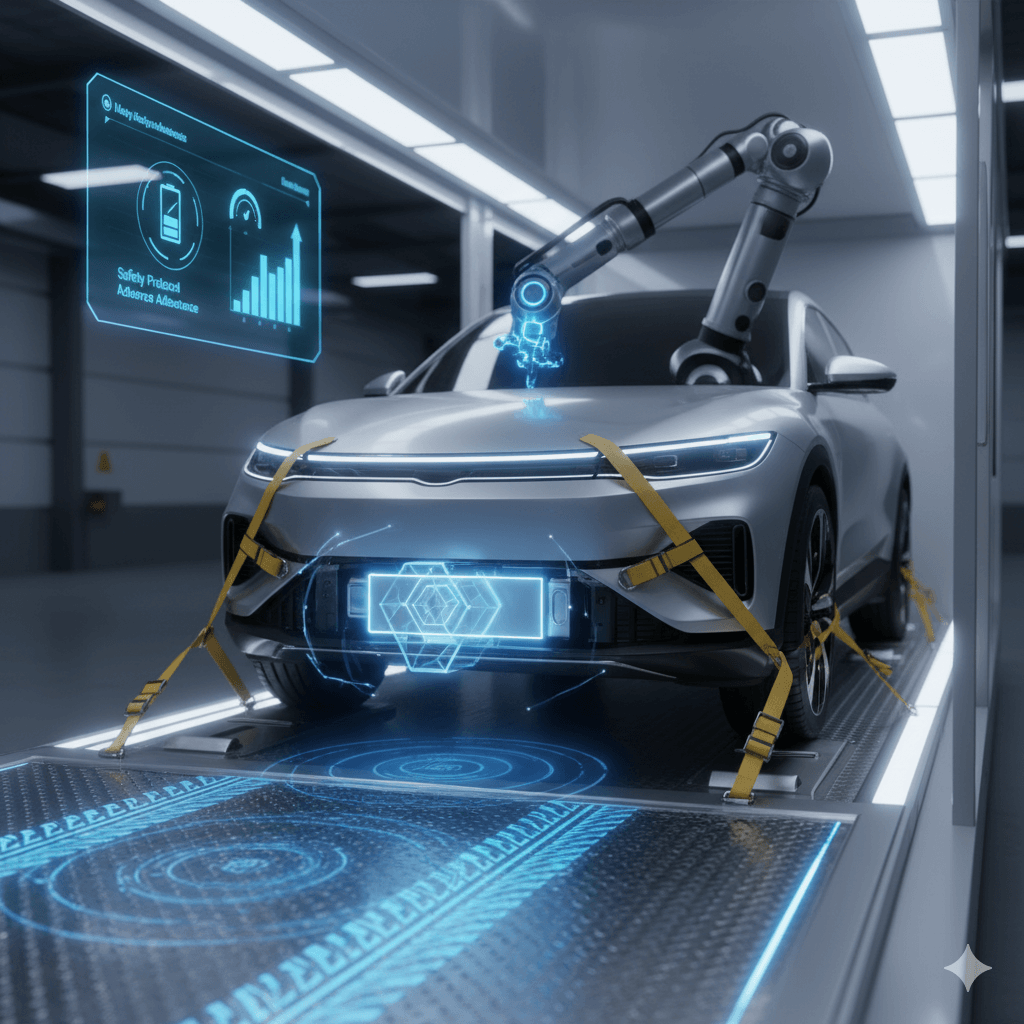
Traditional transport methods aren’t built for this new generation of vehicles. Electric cars require insulated loading gear, low-vibration tie-downs, and trained operators who understand how to handle regenerative braking systems, parking locks, and battery cooling.
At Navi, we take those risks seriously. Our EV transport partners are selected through a multi-step safety verification process — reviewing previous EV load history, insurance status, and safety performance scores. This ensures only the most reliable, EV-qualified carriers handle your shipment.
Shipping an electric vehicle safely isn’t just about speed — it’s about precision, control, and accountability
Understanding the Science Behind EV Battery Transport
Lithium-Ion Battery Chemistry and Why It Needs Special Care
Lithium-ion batteries store a high amount of energy in a small space. If exposed to excessive heat, vibration, or physical damage, they can experience thermal runaway — a rare but serious chain reaction that leads to overheating. That’s why professional EV transport companies follow strict containment and stabilization procedures during shipment.
DOT and FMCSA Regulations for Battery-Powered Vehicles
Under U.S. Department of Transportation (DOT) guidelines, EVs are classified under hazardous materials transport regulations, requiring special equipment, labeling, and training for all handlers. Navi Auto Transport complies with all federal FMCSA and PHMSA safety requirements for lithium battery transport — giving customers full transparency and legal protection on every shipment.
📘 Summary: Understanding how EV batteries function — and the federal rules that govern them — is key to safe, compliant, and damage-free electric car transport.
How Navi Ensures Safe EV Auto Transport
Insurance and Liability Protection for EV Shipping
EV Transport Insurance Breakdown
-
✅ Standard Auto Transport Coverage
-
⚡ Added EV Battery Coverage
-
🔒 Verified Carrier Liability
-
📄 Claim Resolution Timeline (0–10 Days)
When transporting a $70,000+ electric car, proper insurance is non-negotiable. Every Navi shipment includes full carrier insurance verification, covering damage, fire, or loss during transit.
We go beyond the standard by providing EV-specific insurance options, ensuring coverage for high-voltage systems and electronic components. Every carrier in our network must carry a minimum of $1 million in liability coverage and $250,000 cargo insurance — fully verified before dispatch.
Customers receive proof of insurance before pickup, offering transparency and peace of mind. In the rare case of a claim, Navi’s dedicated claims handling team manages documentation and resolution directly with the carrier — no third-party runaround.
Open vs. Enclosed EV Transport – What’s Safer?
While both methods can be safe, the right choice depends on the EV model and distance.
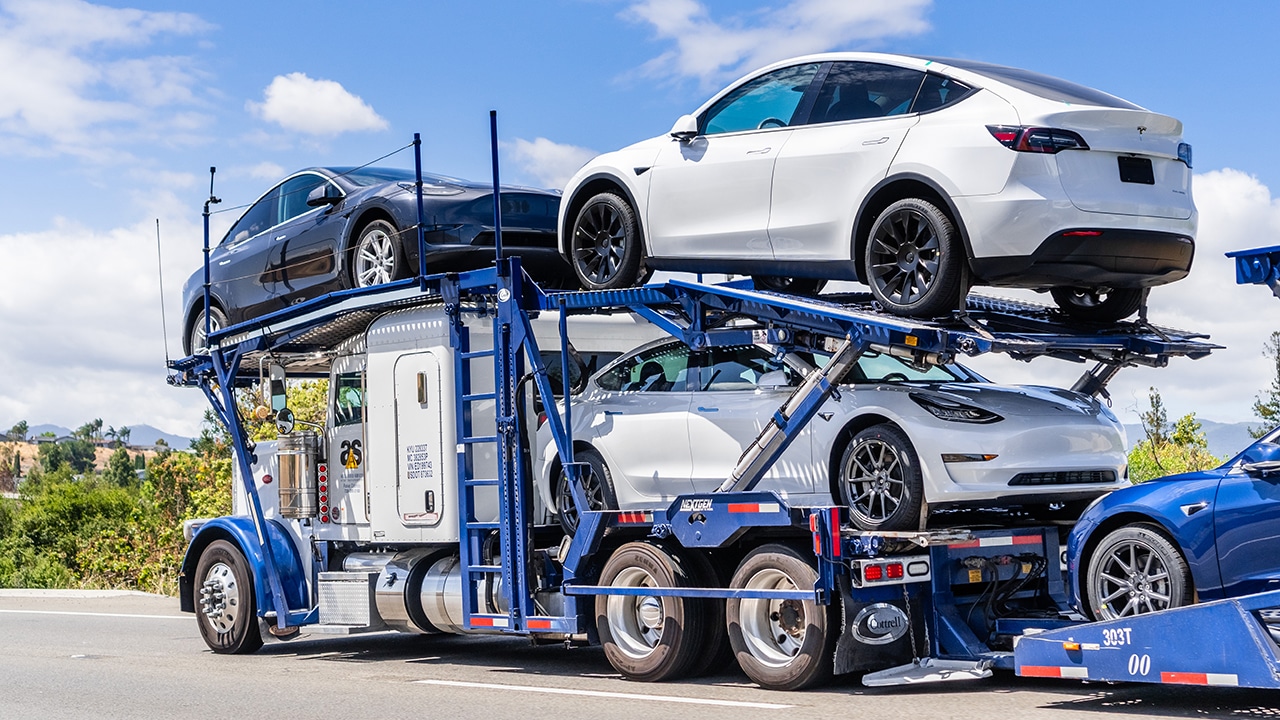
Open car transport is cost-effective and commonly used for standard vehicles or short hauls. However, it exposes the car to weather and road debris.
Enclosed EV transport, on the other hand, shields the vehicle entirely — ideal for Teslas, Lucids, and luxury electric SUVs. According to industry data, over 80% of electric vehicles shipped over 800 miles use enclosed trailers due to battery temperature stability and protection against rain and salt exposure.
At Navi, both options are available nationwide — and each carrier is EV-certified, whether open or enclosed.

Preparing Your Electric Vehicle for Safe Shipping
To ensure a smooth shipment, follow these EV-specific steps before pickup:
-
1
Disable alarms and auto-lock features
avoids unnecessary power use.
-
2
Charge to 40–60%
prevents battery drain without overheating risk.
-
3
Provide both key fobs
and ensure the car can be set to “neutral.”
-
4
Document condition
with photos of key components and charging ports.
-
5
Remove personal items
and accessories that may shift during transit.
Following this checklist helps both you and the carrier avoid any preventable issues during loading and unloading.
Why Choose Navi Auto Transport for Electric Vehicle Shipping
When it comes to EV shipping, Navi Auto Transport sets the national standard in safety and accountability.
We combine Precision Handling™, insured EV-certified carriers, and real-time GPS tracking through Navi Track 360™ to ensure every step of the journey is transparent.
From Teslas to Taycans, Rivians to Lucids — our EV-ready network covers every U.S. state with consistent service quality and proactive communication.
With Navi, every electric car is treated like a luxury vehicle — no exceptions.

EV Shipping Safety FAQs
How are electric cars safely shipped across the U.S.?
By using EV-certified carriers, non-conductive tie-downs, and insulated equipment compliant with DOT regulations.
What precautions are taken when transporting EV batteries?
Battery isolation, temperature monitoring, and zero-charge procedures prevent overheating and vibration damage.
Is it safe to ship a Tesla or Rivian long distance?
Yes. With enclosed transport and certified EV carriers, Tesla and Rivian vehicles are shipped daily nationwide with no risk.
Do car shipping companies need special equipment for EVs?
Absolutely. EVs require insulated straps, specialized ramps, and electrical isolation gear.
How does insurance work when shipping an electric car?
Every Navi shipment includes full liability and cargo insurance verified for EV transport.
What is the best way to ship an EV — open or enclosed?
Enclosed auto transport is recommended for long-distance or high-value models; open is fine for short routes or local moves.
How do I prepare my EV for shipping?
Charge to 40–60%, disable auto-locks, and provide keys for access during loading/unloading.