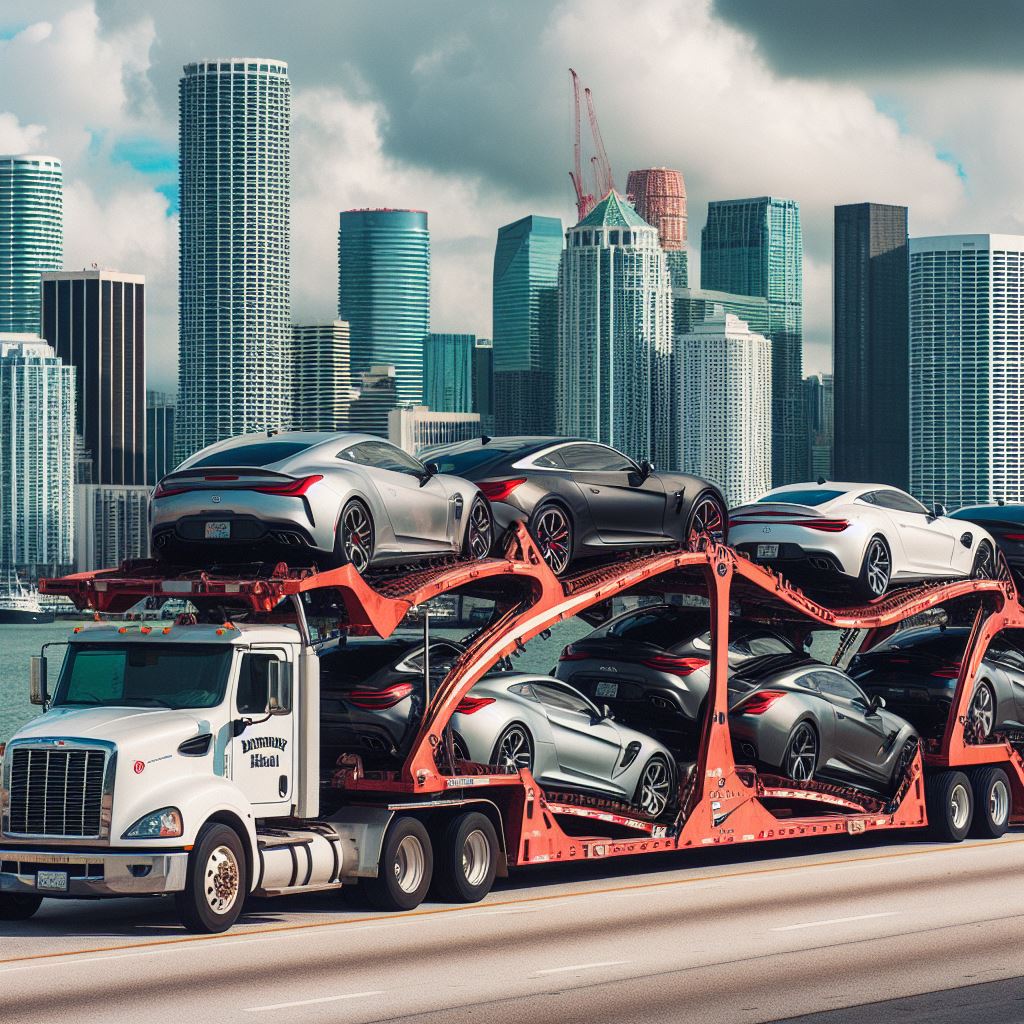
In the dynamic world of auto transport and moving, understanding the nuances of shipping costs is crucial, especially for those embarking on interstate moves. The size of your vehicle plays a pivotal role in determining these costs, a fact often overlooked by many. This article aims to shed light on this critical aspect, guiding you through the intricacies of how car size impacts shipping costs. Whether you own a compact sedan or a large SUV, the implications of your vehicle’s dimensions on your wallet are significant and worth exploring.
For individuals planning to move from one state to another, the choice of auto transport becomes a key decision. It’s not just about moving your belongings; it’s about moving a part of your life. The cost of shipping your vehicle can vary widely based on several factors, with the size of your car being a primary determinant. This article delves into the various aspects of how car size affects shipping costs, from the basic principles of auto transport pricing to practical tips on preparing your vehicle for shipment. We will explore the role of vehicle weight, offer insights on preparing larger vehicles for shipping, and provide valuable tips to help you reduce the costs associated with auto transport.
Understanding these factors is not just about cost-saving; it’s about making informed decisions and ensuring a smooth, hassle-free experience. Whether you’re a first-time mover or someone who’s been through the process before, this comprehensive guide will equip you with the knowledge you need to navigate the complexities of auto transportation. So, let’s embark on this journey to demystify how car size affects shipping costs, ensuring that your next move is as economical and efficient as possible.
Summary
Impact of Car Size on Shipping Costs
Understanding the Basics
The relationship between car size and shipping costs is more intricate than it appears at first glance. In this section, we’ll unravel how auto transport companies typically calculate shipping costs and why the size of your vehicle is a critical factor in this equation. The cost isn’t just about the distance traveled; it’s also about the space your vehicle occupies and the resources needed to transport it safely. Larger vehicles take up more space on a carrier, which means fewer vehicles can be transported simultaneously, directly impacting the cost. Understanding this fundamental principle is key to appreciating the subsequent details of auto transport economics.
Comparative Analysis of Different Car Sizes
Here, we’ll provide a detailed comparison of shipping costs for various car sizes, from compact cars to larger SUVs and trucks. This comparative analysis will help you understand the cost differences you can expect based on the size of your vehicle. For instance, shipping a compact car across states might be considerably cheaper than transporting a full-sized SUV. This section aims to give you a clear picture of how much more, on average, it might cost to ship larger vehicles compared to smaller ones. This information is crucial for individuals planning interstate moves, as it helps in budgeting and choosing the right type of transport service for their needs.
Role of Vehicle Weight in Shipping Costs
Weight vs. Size: A Detailed Examination
While the size of a vehicle is a significant factor in determining shipping costs, the weight of the vehicle plays an equally crucial role. In this section, we will dissect the impact of a vehicle’s weight on shipping costs, distinguishing it from the mere dimensions of the car. Heavier vehicles require more fuel and resources to transport, which can lead to higher costs. This part of the article will explain the technical aspects of how weight influences the cost and the reasons behind these additional charges. Understanding the weight factor is essential for anyone looking to ship their vehicle, as it can have substantial implications on the overall cost.
Case Studies: Weight Implications in Real Scenarios
To provide a practical perspective, this section will present real-life examples or case studies illustrating the impact of vehicle weight on shipping costs. These case studies will include scenarios involving different types of vehicles, such as a lightweight sports car versus a heavy-duty pickup truck. By examining these cases, readers will gain a clearer understanding of how weight factors into the shipping cost equation in real-world situations. These examples will also help in highlighting the importance of considering both the size and weight of the vehicle when planning for auto transport, especially for those moving across states.
How to Prepare Larger Vehicles for Shipping?
Strategic Planning and Timing
One of the most effective ways to reduce auto transport costs is through strategic planning and timing. This section will offer insights into how planning your move during off-peak seasons or being flexible with your shipping dates can significantly lower the costs. It will explain how demand fluctuates throughout the year and how this affects pricing. This part of the article aims to equip readers with the knowledge to strategically plan their auto transport to achieve the best possible rates.
Leveraging Discounts and Deals
Auto transport companies often offer various discounts and deals that can lead to substantial savings. This section will guide readers on how to find and utilize these opportunities. It will cover tips like early booking discounts, return customer discounts, or special promotions for certain routes. Educating readers on how to navigate these deals not only helps them save money but also demonstrates the service’s commitment to providing value.
Optimizing Vehicle Condition and Load
The condition and load of the vehicle being shipped can influence the cost. This part of the article will discuss how optimizing the vehicle’s condition, such as reducing weight by removing personal items or ensuring the car is running properly, can contribute to cost savings. It will provide practical advice on what can be done to prepare the vehicle in a way that might reduce the shipping cost.
Comparing Quotes and Services
Finally, this section will emphasize the importance of comparing quotes and services from different auto transport companies to find the most cost-effective option. It will offer tips on how to effectively compare services, what to look for in a quote, and how to read between the lines to understand the full scope of what’s being offered. This part of the article aims to empower readers to make informed decisions based on thorough research and comparison, ensuring they get the best value for their money.
Conclusion
To conclude, the article will wrap up by reiterating the key points discussed throughout. It will emphasize the importance of understanding how car size and weight affect shipping costs and the various strategies one can employ to reduce these costs. The conclusion will also reinforce the call-to-action, encouraging readers to submit a form for more personalized information, thus effectively tying back to the article’s purpose of generating leads while providing valuable and informative content.
How Car Size Affects Shipping Costs – FAQs
1) Why does car size affect shipping cost?
Car size affects shipping cost because larger vehicles take up more space and weigh more, which limits how many vehicles a carrier can transport at once. This reduces efficiency and increases cost.
2) Do larger cars always cost more to ship?
In most cases, yes. SUVs, trucks, vans, and oversized vehicles usually cost more to ship than compact cars or sedans due to space, weight, and height requirements.
3) How much more does it cost to ship an SUV vs a sedan?
On average, shipping an SUV or truck can cost $100–$400 more than a standard sedan on the same route. The exact difference depends on distance, season, and carrier availability.
4) Does vehicle weight affect shipping price?
Yes. Heavier vehicles consume more fuel and reduce trailer capacity, which increases the shipping cost—especially on long-distance or cross-country routes.
5) Does vehicle height matter when shipping a car?
Yes. Vehicles that exceed standard height limits—such as lifted trucks or SUVs with roof racks—may require special trailers or routes, increasing the price.
6) Are compact cars the cheapest vehicles to ship?
Typically, yes. Compact cars and small sedans are the cheapest to ship because they are light, easy to load, and fit easily on standard trailers.
7) Do electric vehicles cost more to ship because of their weight?
Sometimes. Electric vehicles are often heavier than gas-powered cars, which can slightly increase shipping cost depending on the route and carrier.
8) Does car size affect open vs enclosed transport pricing?
Yes. Larger vehicles cost more in both cases, but the difference is often more noticeable with enclosed transport, where space is more limited.
9) Are pickup trucks more expensive to ship than SUVs?
Often yes. Full-size pickup trucks usually cost more than SUVs due to longer length and higher curb weight, especially if the truck has a long bed or modifications.
10) Do vehicle modifications affect shipping cost?
Yes. Modifications such as:
-
Lift kits
-
Oversized tires
-
Roof racks
-
Wide body kits
can increase cost due to height, width, or loading restrictions.
11) Does car size affect shipping time?
It can. Larger or oversized vehicles may have fewer available carriers, which can increase wait time compared to standard-size vehicles.
12) Is it cheaper to ship a small car long-distance?
Generally, yes. Smaller vehicles benefit more from long-distance shipping because they:
-
Use less fuel
-
Fit more easily on trailers
-
Have more carrier options
13) Can inaccurate vehicle size information increase my price later?
Yes. If the vehicle is larger than stated, carriers may:
-
Increase the price
-
Delay pickup
-
Cancel the dispatch
Accurate details upfront help avoid surprises.
14) Does car size affect shipping to Hawaii or Alaska?
Yes—significantly. Ocean shipping pricing is heavily influenced by:
-
Vehicle length
-
Height
-
Weight
Oversized vehicles typically cost much more on ocean routes.
15) How can I reduce shipping cost if I have a large vehicle?
Best strategies include:
-
Choosing open transport
-
Being flexible with pickup dates
-
Avoiding peak seasons
-
Removing roof racks or accessories if possible