
Every year, millions of retirees and seasonal travelers trade cold northern winters for the warm sunshine of Florida, Arizona, Texas, and other southern destinations. If you’re part of this snowbird lifestyle, one big question always comes up: what’s the easiest way to get my car there? For most people, the answer is simple—snowbird car shipping.
Driving thousands of miles twice a year can be exhausting, time-consuming, and expensive. Long road trips mean hotel costs, fuel, vehicle wear and tear, and unpredictable weather. That’s why more and more seasonal travelers choose professional snowbird auto transport instead. It’s safer, more convenient, and often more affordable than people expect.
But snowbird vehicle transport is very different from regular car shipping. Demand spikes in the fall when everyone heads south, and again in the spring when they return north. Routes fill up fast, prices change weekly, and timing matters more than anything. Without the right information, it’s easy to overpay, experience delays, or choose an unreliable company.
Summary
How Snowbird Car Shipping Works (Simple Breakdown)
Snowbird car shipping is simply seasonal vehicle relocation designed around the migration patterns of retirees and part-time residents. Every fall, thousands of cars move from northern states like New York, Michigan, Illinois, and Massachusetts down to warm destinations such as Florida and Arizona. In the spring, the same vehicles head back north. Auto transport companies organize their routes and pricing around this predictable cycle.
The process is easier than most people imagine. You request a quote, choose your pickup window, and a licensed carrier picks up your vehicle from your home or another convenient location. The car is then transported on a professional auto hauler and delivered directly to your winter residence—no long drive required.
Most snowbirds choose door-to-door transport, which means the carrier comes as close to your address as safely possible. This is far more convenient than terminal shipping, where you would need to drop off and pick up the car at a storage lot.
Shipping times vary depending on distance. For example, a trip from New York to Florida typically takes 3–6 days, while Midwest to Arizona routes may take 5–7 days. Because these routes are so popular, carriers run them constantly during snowbird season, making service reliable and efficient.
Tip #1: Book at the Right Time for the Best Price
Timing is the single most important factor in snowbird car shipping. Unlike normal auto transport, seasonal vehicle relocation follows very predictable patterns—and prices rise and fall based on demand.
The busiest months for shipping cars south are October through December. This is when thousands of snowbirds head to Florida, Arizona, Texas, and California at the same time. In the spring, the cycle reverses. From March through May, demand spikes again as travelers return north. During these peak windows, carriers fill up quickly and rates increase.
To get the best pricing and availability, most experts recommend booking at least 2–4 weeks in advance. Planning early gives you more carrier options and better pickup windows. Waiting until the last minute often means paying a premium or dealing with limited availability.
Many people assume they should book months ahead, but that usually isn’t necessary. Carriers prefer schedules that are closer to the actual ship date. The sweet spot is to lock in your snowbird auto transport about three weeks before you need pickup.
Another smart strategy is to be flexible with dates. If you can allow a 3–5 day pickup window instead of a strict single day, you’ll usually receive lower quotes. Flexibility helps carriers plan routes more efficiently, which directly reduces your cost.
Booking at the right time is the easiest way to avoid overpaying and ensure a smooth, hassle-free seasonal move.
Tip #2: Understand Realistic Snowbird Shipping Costs
One of the biggest questions every snowbird asks is: “How much will it cost to ship my car?” The honest answer is that seasonal car shipping prices are always moving, but you can still plan with realistic ranges.
For most popular snowbird routes, typical one-way prices fall into these general ranges:
-
Northeast to Florida: $850 – $1,350
-
Midwest to Florida: $900 – $1,400
-
Northeast to Arizona: $1,100 – $1,600
-
Midwest to Arizona: $950 – $1,450
-
Canada to Florida: $1,200 – $2,000+ (depending on border logistics)
These are not fixed rates—they change weekly based on fuel prices, carrier availability, and how busy the season is.
Several key factors determine your exact quote— for a full breakdown, see our car shipping cost guide by distance:
Distance: Longer routes naturally cost more.
Vehicle type: SUVs and trucks cost more than sedans due to size and weight.
Seasonality: October–December and March–May are the most expensive months.
Pickup flexibility: Tighter schedules usually mean higher prices.
Transport type: Open transport is cheaper than enclosed.
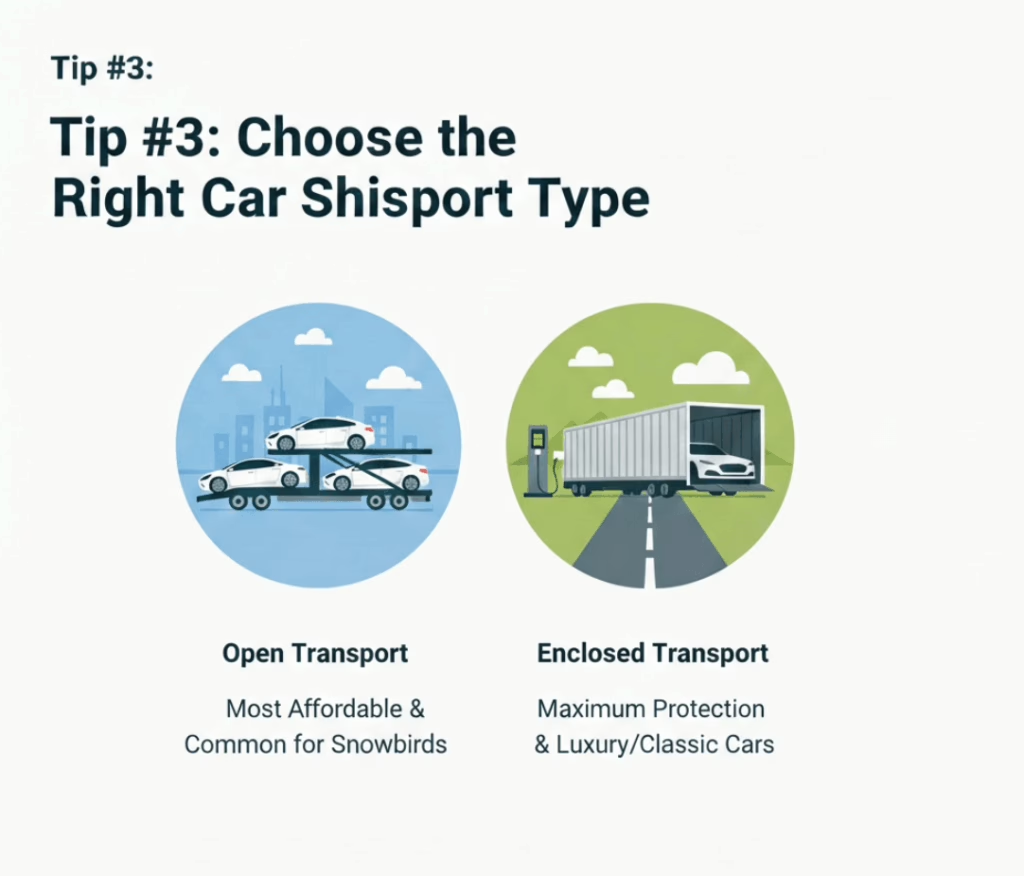
Most snowbirds choose open auto transport, which is the most economical and common option. Enclosed transport typically costs 30–50% more, but it can be worth it for luxury, antique, or high-value vehicles.
The biggest mistake is chasing the lowest possible price. Extremely cheap quotes often lead to long delays because carriers simply won’t accept unrealistic rates. A fair, market-based price is the key to reliable snowbird vehicle transport.
Tip #3: Choose the Right Transport Type
Not all snowbird car shipping is the same. One of the most important decisions you’ll make is choosing how your vehicle will be transported.
For most seasonal travelers, open transport is the best and most practical option. This is the standard method where vehicles are shipped on large multi-car carriers—the same ones you see delivering cars to dealerships. Open transport is:
-
The most affordable choice
-
Widely available on snowbird routes
-
Fast and efficient
-
Perfect for everyday vehicles
Because thousands of snowbirds use open carriers each season, it’s typically the easiest way to secure quick pickup and reasonable pricing.
However, some travelers prefer enclosed auto transport. With this option, your vehicle is protected inside a fully covered trailer. Enclosed shipping is ideal if you own:
-
A luxury or exotic car
-
A classic or antique vehicle
-
A low-clearance sports car
-
A car with high sentimental or financial value
The tradeoff is cost. Enclosed transport usually runs 30–50% more than open transport and may take a little longer to schedule due to fewer available carriers.
For the average snowbird driving a standard sedan or SUV, open transport offers the best balance of price and reliability. Enclosed shipping is worth considering only if extra protection is a priority.
Choosing the right transport type ensures your seasonal vehicle relocation fits both your budget and your comfort level.
Tip #4: Plan for Realistic Timelines
One of the biggest misconceptions about snowbird car shipping is how long it actually takes. Many first-time shippers assume transport works like a scheduled airline flight with exact pickup and delivery dates. In reality, auto transport operates more like long-haul trucking—timelines are estimated, not guaranteed.
For popular snowbird routes, these are realistic transit time ranges:
-
Northeast to Florida: 3–6 days
-
Midwest to Florida: 4–7 days
-
Northeast to Arizona: 6–9 days
-
Midwest to Arizona: 5–8 days
-
Cross-country routes (NY to CA, etc.): 7–10+ days
These times reflect how long your vehicle is on the road once it has been picked up.
The key detail many snowbirds overlook is the pickup window. During peak season, carriers usually require a flexible pickup range of 2–5 days. If you insist on a guaranteed exact date, you’ll either pay a premium or struggle to find availability.
Weather, traffic, and route demand can also affect schedules. A winter storm in the Midwest or heavy holiday traffic in Florida can easily add a day or two to delivery.
The smartest strategy is to schedule your snowbird vehicle transport a few days before you actually need the car. Building a small buffer into your plans prevents stress and last-minute problems.
Tip #5: Prepare Your Vehicle the Right Way
Proper preparation is one of the easiest ways to make snowbird car shipping smooth and stress-free. Spending a little time getting your vehicle ready before pickup helps prevent delays, confusion, and unnecessary complications.
Start by cleaning your car inside and out. A clean vehicle makes it much easier to complete the pre-transport inspection and accurately note any existing scratches, dents, or paint chips. The cleaner the car, the clearer the condition report will be.
Next, remove personal belongings. Most carriers require that vehicles be shipped empty for safety and insurance reasons. A few small, lightweight items in the trunk are sometimes allowed, but packing boxes or household goods inside the car is strongly discouraged and can result in extra fees or refusal of service.
Here’s a simple snowbird vehicle preparation checklist:
-
Leave about ¼ tank of fuel (no need to fill it up)
-
Disable car alarms or tracking devices
-
Remove toll tags or parking passes
-
Fold in mirrors and retract antennas
-
Remove roof racks or loose exterior accessories
-
Check tire pressure and battery condition
-
Make sure the vehicle is fully drivable
For domestic U.S. snowbird shipping, you typically do not need to show vehicle registration or ID. The main paperwork involved is the Bill of Lading (condition report), which the driver completes at pickup and you sign again at delivery.
Finally, take clear photos of your vehicle on pickup day. This gives you an extra record of its condition and added peace of mind.
A properly prepared car means faster loading, safer transport, and a much smoother seasonal relocation.
Tip #6: Avoid Common Snowbird Shipping Mistakes
Even experienced snowbirds can run into problems if they don’t understand how seasonal car shipping really works. Most issues aren’t caused by bad luck—they come from a few very common mistakes that are easy to avoid.
The first mistake is choosing a company based only on the lowest price. During peak snowbird season, ultra-cheap quotes are usually unrealistic. If a broker lists your shipment too low, carriers will simply ignore it, and your car may sit unassigned for days or even weeks. A fair, market-based price is what actually gets vehicles picked up on time.
Another big mistake is waiting too long to book. Snowbird routes fill up fast, especially in October–December and March–May. Many travelers assume they can schedule transport a few days before they leave, only to discover that carriers are already booked solid. Planning ahead prevents this stress.
Some people also misunderstand delivery expectations. Auto transport doesn’t work like FedEx with guaranteed exact times. Being inflexible with pickup and delivery dates often leads to higher costs and unnecessary frustration.
Skipping research is another risk. Always check reviews, verify licensing, and confirm that the company you choose has real experience with snowbird vehicle transport. Not all auto transport brokers specialize in seasonal routes.
Finally, failing to prepare the car properly—leaving personal items inside, not disabling alarms, or ignoring mechanical issues—can cause delays on pickup day.
Avoiding these simple mistakes will save you money, protect your vehicle, and make your entire snowbird car shipping experience far more predictable and enjoyable.
Tip #7: Pick a Trusted Snowbird Auto Transport Partner
Your final—and arguably most important—decision is choosing who will handle your snowbird vehicle transport. The right company can make the entire process effortless. The wrong one can turn it into a stressful experience filled with delays and surprises.
Start by making sure any company you consider is properly licensed and insured. Legitimate auto transport brokers and carriers operate under U.S. Department of Transportation (DOT) and FMCSA regulations. A professional snowbird car shipping provider should be able to clearly explain their credentials, insurance coverage, and process without hesitation.
Experience matters, especially with seasonal routes. Snowbird auto transport is different from regular car shipping because of the heavy demand spikes in fall and spring. Companies that specialize in these routes understand how to secure reliable carriers, plan realistic schedules, and avoid common bottlenecks.
Communication is another major factor. You want a company that:
-
Provides clear, written quotes
-
Explains pickup windows honestly
-
Offers real customer support
-
Keeps you updated from start to finish
Before booking, ask a few smart questions:
-
How long have you handled snowbird routes?
-
Is this a guaranteed price or an estimate?
-
Who is my main point of contact?
-
What happens if there is a delay?
Reading verified customer reviews is also essential. Look for consistent feedback about on-time pickups, professional drivers, and transparent pricing.
Popular Snowbird Routes and Examples
Snowbird car shipping follows very predictable travel patterns. Understanding the most common routes helps you set realistic expectations for price, timing, and availability.
The busiest corridor by far is the Northeast to Florida route. Every fall, thousands of vehicles move from states like New York, New Jersey, Massachusetts, and Pennsylvania down to destinations such as Miami, Fort Lauderdale, Naples, and Tampa. In spring, the exact same traffic flows back north. Because this lane is so active, there are always carriers available—but prices rise quickly as demand peaks.
Another major snowbird lane is the Midwest to Florida route. Travelers from Michigan, Ohio, Illinois, and Wisconsin rely heavily on seasonal vehicle transport to avoid long winter drives. Transit times on these routes are usually 4–7 days depending on pickup location.
For western snowbirds, the most popular option is shipping from the Midwest to Arizona. Cities like Phoenix, Scottsdale, and Tucson see huge seasonal demand from residents of Illinois, Minnesota, Colorado, and surrounding states.
Here are a few real-world examples of typical snowbird moves:
-
New York to Miami: 1,300 miles – about 4–6 days
-
Chicago to Fort Lauderdale: 1,350 miles – about 4–7 days
-
Boston to Naples: 1,500 miles – about 5–7 days
-
Detroit to Phoenix: 1,950 miles – about 6–8 days
These routes operate almost like seasonal highways for auto transporters. The more popular the lane, the easier it is to find reliable service.
Snowbird Car Shipping FAQs
How much does it cost to ship a car for snowbirds?
Typical prices range from $850 to $1,600 depending on distance, vehicle size, and season. Northeast → Florida is usually $900–$1,300, while Midwest → Arizona is around $1,000–$1,500.
What is the best month to ship a car to Florida?
The best months are September and early October before peak demand hits. Prices are usually lower and availability is better than in November or December.
How far in advance should snowbirds book car transport?
Ideally 2–4 weeks in advance. This gives you the best balance of price and scheduling flexibility.
Is it better to drive or ship a car for the winter?
For trips over 1,000 miles, shipping is often cheaper and far less stressful when you consider fuel, hotels, meals, and vehicle wear and tear.
Can I pack items in my car when shipping?
Light personal items are sometimes allowed, but cars should generally be shipped empty. Heavy or valuable belongings are not permitted.
How long does snowbird car shipping take?
Most popular routes take 3–7 days once the vehicle is picked up, depending on distance and weather.
Is enclosed transport worth it for snowbirds?
Only if you own a luxury, exotic, or classic vehicle. For everyday cars, open transport is usually the smarter option.
Do snowbird routes fill up fast?
Yes—especially October–December southbound and March–May northbound. Early booking is highly recommended.
Can I ship my car back north in the spring?
Absolutely. Most snowbirds book round-trip transport every year using the same process.
Final Checklist and Conclusion
By now you know that successful snowbird car shipping isn’t complicated—it just requires a little planning and the right expectations. Before you schedule your seasonal vehicle relocation, use this simple final checklist to keep everything on track:
Snowbird Shipping Quick Checklist
-
Decide your travel dates early
-
Book transport 2–4 weeks in advance
-
Choose open or enclosed transport
-
Allow a flexible pickup window
-
Compare realistic, market-based quotes
-
Prepare your vehicle properly
-
Remove personal belongings
-
Take photos before pickup
-
Stay in communication with your broker
-
Build a small time buffer into your plans
Following these steps dramatically reduces the chance of delays, overpaying, or last-minute stress. Snowbird auto transport is used by thousands of retirees and seasonal travelers every year because it’s safe, convenient, and far easier than making a long drive twice a year.
Whether you’re shipping a car to Florida for the winter or sending a vehicle from the Midwest to Arizona, the key is to work with an experienced company and plan ahead. With the right approach, seasonal car shipping becomes a simple, routine part of the snowbird lifestyle.