
Shipping a car is easier than ever — but choosing the right auto transport company has become more complicated. With thousands of brokers, carriers, and lead-generation websites competing for attention, many customers end up confused, overcharged, or worse… scammed.
Whether you’re relocating for work, moving for military service, buying a vehicle online, or shipping a car seasonally, the company you choose plays a major role in cost, safety, and peace of mind. Unfortunately, not all auto transport companies operate with the same level of transparency or professionalism. Some advertise unrealistically low prices, others lack proper licensing, and many disappear once a deposit is collected.
This guide was created to help you make an informed, confident decision when choosing a reliable auto transport company in 2026. Instead of marketing fluff, you’ll learn how the industry really works — including how to verify licenses, understand pricing, avoid common scams, and tell the difference between a trustworthy broker and a risky one.
We’ll also break down:
-
What makes an auto transport company legitimate
-
How to verify FMCSA licensing and insurance
-
Red flags most customers miss
-
What fair pricing actually looks like
-
How to protect yourself before booking
By the end of this guide, you’ll have a clear checklist you can use to confidently choose a reputable car shipping company — without stress, surprises, or hidden fees.
How to Choose a Reliable Auto Transport Company
Need to Ship a Car
↓
Check License (FMCSA)
↓
Verify Insurance
↓
Compare Quotes
↓
Review Reputation
↓
Confirm Contract Terms
↓
Book With Confidence
Summary
Why Choosing the Right Auto Transport Company Matters
Choosing an auto transport company is no longer just about price — it’s about risk management, reliability, and transparency. As online vehicle purchases, long-distance relocations, and seasonal moves continue to rise, so does the number of unverified brokers and low-quality operators entering the market.
According to FMCSA data, there are over 16,000 registered auto transport brokers in the U.S., but only a fraction consistently meet licensing, insurance, and service standards. Many websites that appear “professional” are simply lead generators that sell your request to the lowest bidder — often without verifying the carrier’s credentials or insurance.
This is why choosing the wrong company can lead to:
-
Unexpected price increases after booking
-
Delayed pickups or canceled shipments
-
Lack of cargo insurance coverage
-
Poor communication or complete ghosting
-
Damage claims with no accountability
In 2026, customers are also facing higher seasonal demand, especially during:
-
Summer relocation months
-
Military PCS season
-
College move-ins
-
Snowbird migrations
This means unreliable companies are more likely to overpromise and underdeliver.
A reliable auto transport company, on the other hand, will:
-
Be fully registered with the FMCSA
-
Clearly explain broker vs carrier roles
-
Offer transparent pricing (no bait-and-switch)
-
Provide verifiable insurance coverage
-
Communicate clearly from booking to delivery
Understanding these differences before booking can save you hundreds of dollars, days of delay, and unnecessary stress.
Reliable vs Risky Auto Transport Company
| Reliable Company | Risky Company |
|---|---|
| FMCSA licensed | No public registration |
| Clear pricing | Hidden fees |
| Written contract | Verbal promises |
| Active communication | Hard to reach |
| Verified reviews | Fake or missing reviews |
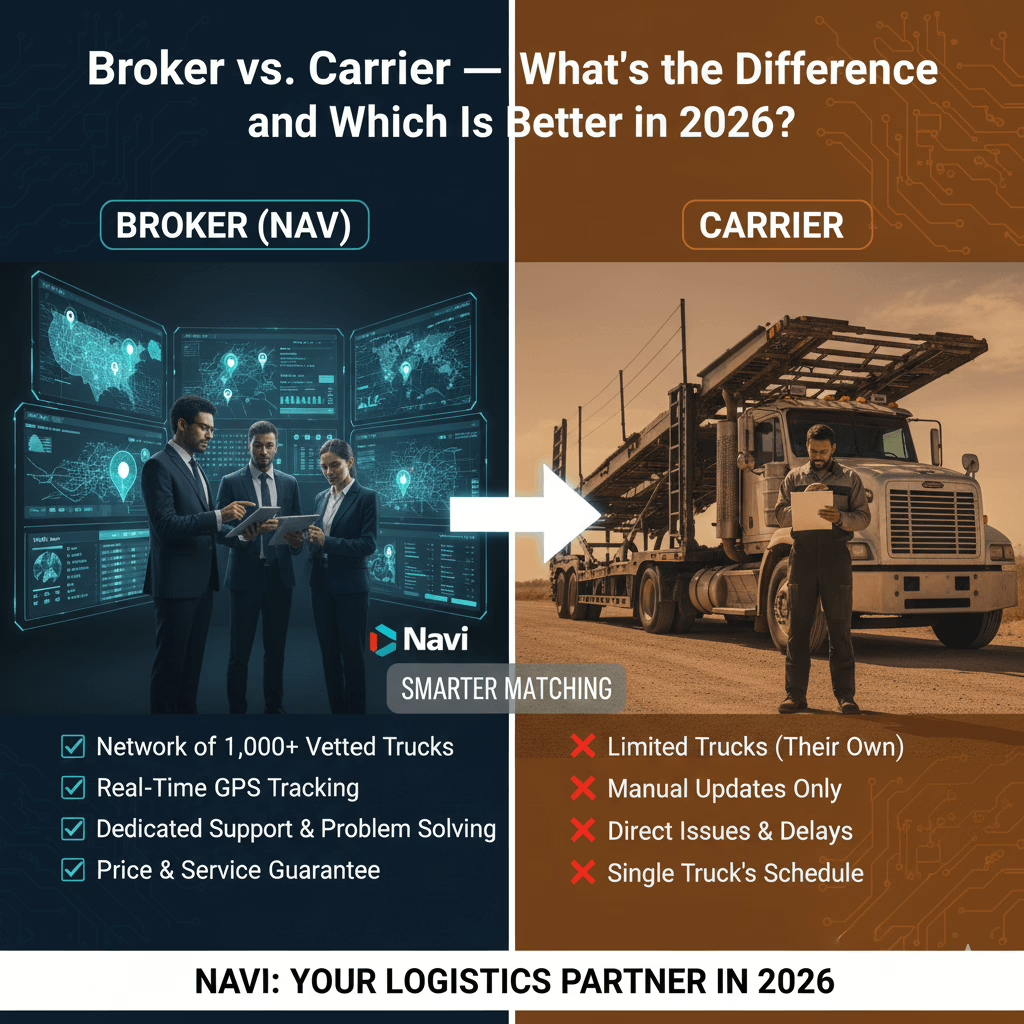
Broker vs Carrier — What’s the Difference and Which Is Better?
One of the most confusing parts of shipping a car is understanding the difference between an auto transport broker and a carrier. Many customers assume they’re the same — but knowing the distinction can help you avoid delays, overpaying, or working with the wrong company.
What Is an Auto Transport Broker?
An auto transport broker acts as the coordinator between you and a licensed carrier. Brokers don’t own trucks — instead, they work with a large network of vetted carriers to find the best match for your route, vehicle type, and schedule.
Why brokers are commonly used:
-
Access to thousands of carriers nationwide
-
Faster scheduling options
-
Competitive pricing through carrier bidding
-
Better availability during peak seasons
A reputable broker also verifies carrier insurance, monitors dispatch, and helps resolve issues if delays occur.
What Is an Auto Transport Carrier?
A carrier is the company that physically transports your vehicle using their own truck and trailer.
Limitations of carriers:
-
Limited routes and schedules
-
Less flexibility for long-distance or cross-country moves
-
Often unavailable during peak seasons
-
Higher pricing for one-off routes
Broker vs Carrier: Quick Comparison
| Feature | Broker | Carrier |
|---|---|---|
| Owns trucks | ❌ No | ✅ Yes |
| Nationwide coverage | ✅ Yes | ❌ Limited |
| Pricing flexibility | ✅ High | ❌ Fixed |
| Best for long-distance | ✅ Yes | ❌ Sometimes |
| Scheduling speed | ✅ Faster | ❌ Slower |
Which Is Better in 2026?
For most customers, a licensed and reputable broker is the better option — especially for:
-
Cross-country moves
-
Enclosed transport
-
Seasonal shipping
-
Online vehicle purchases
The key is not avoiding brokers, but choosing a transparent, well-reviewed, FMCSA-licensed broker that works only with insured carriers.
How to Verify If an Auto Transport Company Is Legit
Before you book any auto transport company, it’s critical to verify that they are properly licensed, insured, and reputable. In 2026, many scam operations look professional on the surface, but a few quick checks can protect you from costly mistakes.
1. Check the FMCSA Registration (Most Important Step)
Every legitimate auto transport broker or carrier in the U.S. must be registered with the Federal Motor Carrier Safety Administration (FMCSA).
You should always ask for:
-
MC Number (Motor Carrier number)
-
USDOT Number
Then verify it directly on the FMCSA website:
👉 https://safer.fmcsa.dot.gov/
What to look for:
-
Status: Active
-
Authority: Authorized for property
-
Insurance: Active and on file
🚨 Red flag: If a company refuses to share their MC number or says you “don’t need it,” walk away.
2. Verify Insurance Coverage (Not Just a Claim)
Legitimate auto transport companies carry:
-
Cargo insurance (covers your vehicle)
-
Surety bond (required for brokers)
-
Active carrier insurance (if they own trucks)
Ask for:
-
Coverage limits
-
Insurance provider name
-
Certificate of insurance (COI)
If they hesitate or give vague answers, that’s a warning sign.
3. Read Reviews — But Read Them Correctly
Not all reviews are equal. Focus on:
✅ Google Reviews (most reliable)
✅ BBB complaint history (not just rating)
✅ Review patterns over time
⚠️ Red flags:
-
Hundreds of reviews posted in short periods
-
Repeated complaints about price increases
-
No response from the company
-
Identical wording across reviews
Pro tip: Search
“Company Name + scam”
“Company Name + bait and switch”
4. Confirm Business Transparency
A reliable auto transport company will always provide:
-
A real business address
-
Clear contact information
-
Written contract or terms
-
Pickup and delivery expectations
-
Cancellation policy
If the company avoids putting things in writing, that’s a major risk.
Legitimacy Checklist
✔ FMCSA registered
✔ Active insurance
✔ Verifiable reviews
✔ Clear pricing
✔ Written agreement
✔ Responsive communication
If even one of these is missing, proceed with caution.
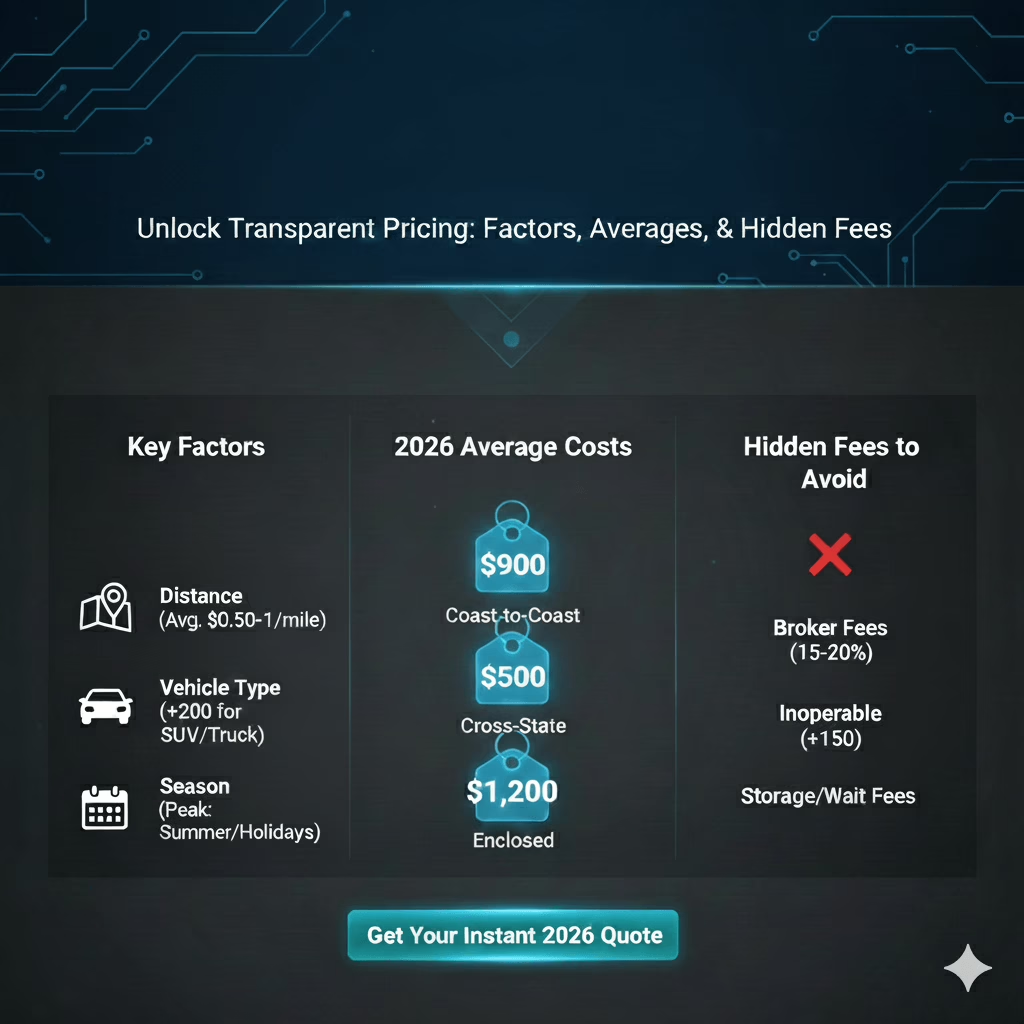
How Much Does Car Shipping Cost in 2026? (Real Pricing Breakdown)
One of the most common questions customers ask is:
“How much does it cost to ship a car?”
The short answer: it depends — but in 2026, pricing has become more predictable if you understand the key factors that influence cost.
Average Car Shipping Costs in 2026
| Distance | Estimated Cost |
|---|---|
| 0–500 miles | $450 – $750 |
| 500–1,000 miles | $700 – $1,100 |
| 1,000–1,500 miles | $900 – $1,400 |
| 1,500+ miles | $1,200 – $1,800+ |
💡 These prices reflect open transport for standard vehicles.
What Affects Car Shipping Prices?
1. Distance
Longer distances typically cost more overall but less per mile.
2. Vehicle Type
-
Sedans → cheapest
-
SUVs & trucks → higher cost
-
Oversized or lifted vehicles → premium pricing
3. Transport Type
-
Open transport: Most affordable (90% of shipments)
-
Enclosed transport: 30–60% more expensive but offers protection
4. Time of Year
Prices increase during:
-
Summer months
-
Snowbird season
-
Military PCS season
-
Holiday moves
5. Pickup Window
Flexible dates = lower cost
Guaranteed pickup = higher cost
Why Some Quotes Look “Too Cheap”
Low quotes often mean:
-
Price will increase after booking
-
Carrier hasn’t accepted the job
-
Broker is using bait-and-switch tactics
-
No carrier available at that rate
⚠️ If a quote is far below market average, it usually isn’t real.
Quick Cost Breakdown
Base Price
+ Distance
+ Vehicle Size
+ Transport Type
+ Seasonal Demand
= Final Shipping Cost
Red Flags to Avoid When Choosing an Auto Transport Company
Not all auto transport companies operate ethically — and in 2026, scams are more sophisticated than ever. Knowing the warning signs ahead of time can save you from lost money, delays, or even having your vehicle held hostage for more payment.
Below are the most common red flags customers should watch for before booking.
🚩 1. Unusually Low Prices
If a quote looks too good to be true, it usually is.
Scam brokers often:
-
Advertise extremely low prices to win your booking
-
Increase the price later claiming “market changes”
-
Blame carriers or fuel costs after you’ve committed
✔ Legitimate companies price based on real market demand
❌ Scammers use bait-and-switch tactics
🚩 2. No FMCSA or MC Number
Every legal auto transport broker or carrier must be registered with the FMCSA.
If a company:
-
Won’t provide an MC number
-
Claims it’s “not necessary”
-
Has an inactive or revoked status
👉 Do not book with them.
🚩 3. Demanding Full Payment Upfront
While small deposits are common, full payment before pickup is a major red flag, especially if:
-
There’s no signed contract
-
Payment is requested via wire transfer or crypto
-
There’s no refund policy
Reputable companies clearly explain:
-
When payment is collected
-
What happens if a carrier cancels
-
How refunds work
🚩 4. No Written Agreement or Vague Terms
If everything is verbal — that’s a problem.
A reliable company should provide:
-
Written confirmation
-
Pickup & delivery window
-
Insurance coverage details
-
Cancellation terms
If it’s not in writing, it doesn’t exist.
🚩 5. Poor Communication or Pressure Tactics
Watch out for:
-
Pushy sales tactics
-
Urgent “book now or lose the price” pressure
-
Unanswered calls or emails
-
No dedicated support contact
Reliable companies focus on education, not pressure.
Red Flags Checklist
❌ No FMCSA license
❌ Prices far below market
❌ Full payment upfront
❌ No written contract
❌ Vague insurance info
❌ Poor or fake reviews
If you encounter even one or two of these, it’s best to walk away.
Step-by-Step Checklist Before Booking Auto Transport
Before you book any auto transport company, use this checklist to protect yourself and make sure you’re choosing a reliable provider. This step alone can help you avoid most common car shipping issues.
✅ Step 1: Verify FMCSA Registration
Confirm the company is registered with the Federal Motor Carrier Safety Administration.
-
Look up their MC Number
-
Confirm status is Active
-
Check for valid operating authority
👉 FMCSA Lookup: https://safer.fmcsa.dot.gov/
✅ Step 2: Confirm Insurance Coverage
Ask for:
-
Cargo insurance limits
-
Carrier insurance (if applicable)
-
Proof of coverage (COI)
Make sure the coverage is enough for your vehicle’s value.
✅ Step 3: Compare More Than One Quote
Never rely on a single quote.
Compare:
-
Price range (not just lowest price)
-
Pickup timeframe
-
Included services
-
Cancellation policy
⚠️ Extremely low quotes often lead to price increases later.
✅ Step 4: Understand the Pickup & Delivery Window
Legitimate companies provide:
-
A pickup window (not a guaranteed minute)
-
Estimated delivery range
-
Clear explanation of delays
Avoid companies that promise “exact time” delivery — that’s rarely realistic in transport logistics.
✅ Step 5: Review the Contract Carefully
Before booking, confirm:
-
Total cost
-
Payment method
-
Cancellation terms
-
Insurance coverage
-
Claims process
If something feels unclear, ask before signing.
✅ Step 6: Prepare Your Vehicle
Before pickup:
-
Remove personal items
-
Take photos of the vehicle
-
Disable alarms
-
Leave ¼ tank of fuel
This protects you in case of a claim.
Quick Booking Checklist (Save This)
✔ FMCSA verified
✔ Insurance confirmed
✔ Quote reviewed
✔ Pickup window confirmed
✔ Contract reviewed
✔ Vehicle prepared
Open vs Enclosed Auto Transport — Which Should You Choose?
One of the most important decisions when shipping a vehicle is choosing between open and enclosed auto transport. Both options are safe and widely used, but each serves a different purpose depending on your vehicle type, budget, and level of protection needed.
Understanding the difference helps you avoid overpaying — or under-protecting your car.
🚗 Open Auto Transport (Most Common Option)
Open transport is the most popular and affordable method, used for over 90% of vehicle shipments in the U.S.
Best for:
-
Standard sedans, SUVs, and trucks
-
Daily drivers
-
Long-distance moves
-
Budget-conscious customers
Pros:
-
Lowest cost option
-
Faster carrier availability
-
Widely available nationwide
Cons:
-
Vehicle is exposed to weather and road debris
-
No protection from dust or rain
💡 Despite exposure, open transport is extremely safe and used by dealerships and manufacturers every day.
🚘 Enclosed Auto Transport (Premium Option)
Enclosed transport provides maximum protection by shipping your vehicle inside a covered trailer.
Best for:
-
Luxury vehicles
-
Exotic or classic cars
-
High-value or collector vehicles
-
Cars with custom paint or low clearance
Pros:
-
Protection from weather and debris
-
Added security
-
White-glove handling
Cons:
-
Costs 30–60% more than open transport
-
Limited availability
-
Longer booking time
Open vs Enclosed Comparison
| Feature | Open Transport | Enclosed Transport |
|---|---|---|
| Cost | Lower | Higher |
| Protection | Standard | Maximum |
| Availability | High | Limited |
| Best for | Daily drivers | Luxury / classic cars |
| Delivery time | Faster | Slightly slower |
Which Option Is Right for You?
Choose open transport if:
-
You want the best price
-
Your car is a daily driver
-
You’re shipping long-distance
Choose enclosed transport if:
-
Your vehicle is high-value
-
You want maximum protection
-
You’re shipping a classic or exotic car
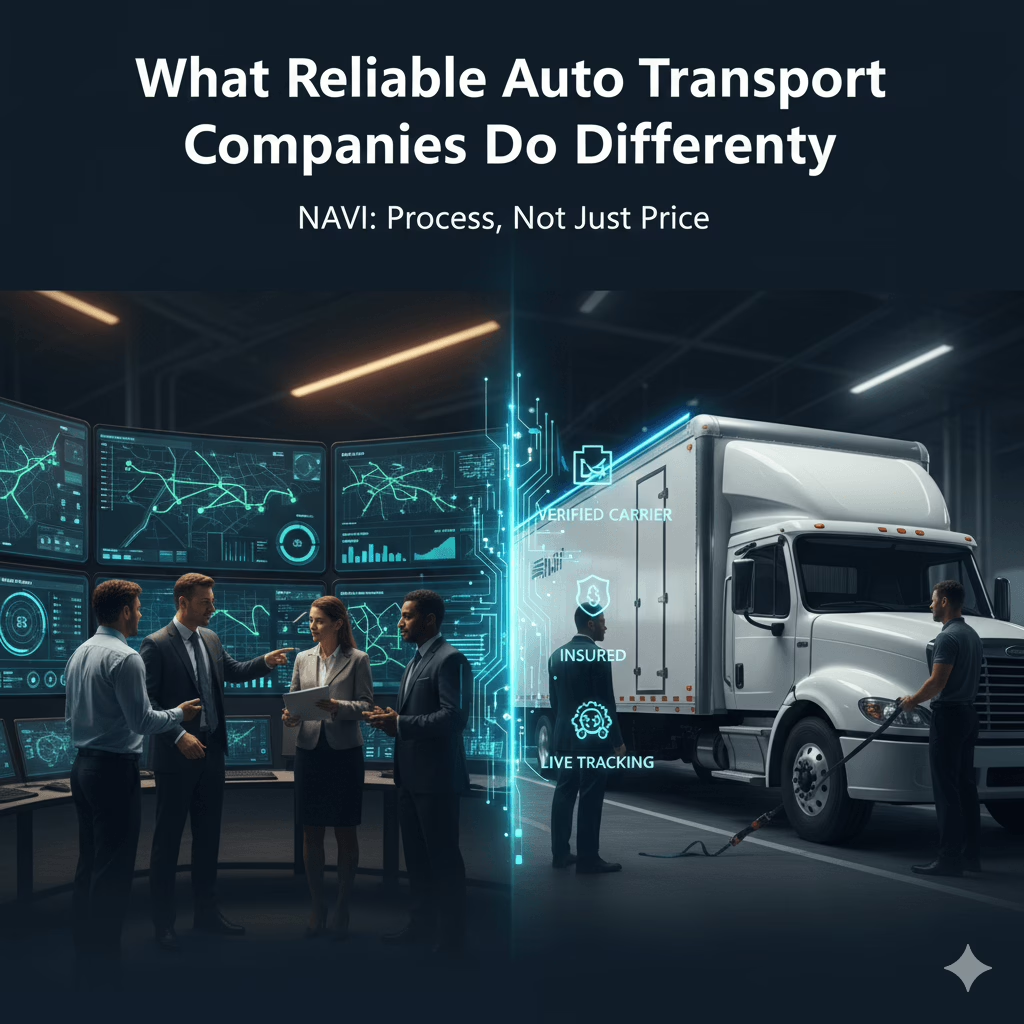
What Reliable Auto Transport Companies Do Differently
Not all auto transport companies operate the same way. While many focus on volume and quick sales, truly reliable companies prioritize transparency, communication, and long-term trust.
Understanding what separates a professional transport company from an unreliable one can help you make a confident decision — and avoid common frustrations.
✅ 1. Transparent Pricing (No Surprises)
Reputable companies clearly explain:
-
What’s included in your quote
-
When and how pricing may change
-
What factors affect final cost
They don’t:
-
Hide fees in fine print
-
Change pricing after booking
-
Pressure you with “today only” deals
Transparency builds trust and prevents disputes.
✅ 2. Clear Communication From Start to Finish
Reliable companies:
-
Explain the shipping process step by step
-
Provide realistic pickup windows
-
Respond quickly to questions
-
Keep you updated during dispatch
Poor communication is often the first sign of a problem.
✅ 3. Verified Carrier Network
Trusted brokers only work with:
-
FMCSA-licensed carriers
-
Fully insured drivers
-
Carriers with proven track records
They also remove underperforming carriers from their network — something low-quality brokers rarely do.
✅ 4. Honest Expectations
Reliable companies will tell you:
-
When delays are possible
-
What is and isn’t guaranteed
-
How weather or traffic can affect delivery
-
What happens if a carrier cancels
Honesty upfront prevents frustration later.
✅ 5. Strong Customer Support
The best companies provide:
-
Dedicated support teams
-
Clear escalation process
-
Written documentation
-
Post-delivery follow-up
You should never feel like you’re “on your own” after booking.
Reliable vs Unreliable Companies
| Reliable Company | Unreliable Company |
|---|---|
| Transparent pricing | Hidden fees |
| Clear communication | Hard to reach |
| Verified carriers | Unknown drivers |
| Written agreements | Verbal promises |
| Long-term reputation | Short-term sales focus |
Frequently Asked Questions (FAQ)
❓ How do I know if an auto transport company is legit?
A legitimate auto transport company will:
-
Be registered with the FMCSA
-
Have an active MC number
-
Carry valid cargo insurance
-
Provide a written agreement
-
Have verifiable customer reviews
You can verify a company instantly using the FMCSA database:
👉 https://safer.fmcsa.dot.gov/
❓ What is the safest way to ship a car?
The safest way to ship a car is:
-
Using a licensed and insured company
-
Choosing enclosed transport for high-value vehicles
-
Taking photos before pickup
-
Reviewing the bill of lading at delivery
For most vehicles, open transport is still very safe and widely used.
❓ Is it better to use a broker or a carrier?
For most customers, a licensed broker is the better option because they:
-
Have access to more carriers
-
Offer better availability
-
Can negotiate pricing
-
Handle logistics and support
The key is choosing a reputable broker, not avoiding brokers altogether.
❓ How much does it cost to ship a car?
Average prices range from:
-
$450–$750 for short distances
-
$900–$1,400 for long-distance transport
Final pricing depends on:
-
Distance
-
Vehicle type
-
Transport method
-
Time of year
❓ What should I look for in an auto transport company?
Look for:
-
FMCSA registration
-
Transparent pricing
-
Insurance coverage
-
Positive customer reviews
-
Clear communication
Avoid companies that pressure you or refuse to provide documentation.
❓ Are auto transport brokers reliable?
Yes — if they are licensed and reputable.
Most large auto transport companies operate as brokers because they:
-
Access large carrier networks
-
Offer competitive pricing
-
Handle scheduling and logistics
Problems only occur with unlicensed or misleading brokers.
❓ How do I avoid car shipping scams?
To avoid scams:
-
Never pay full price upfront
-
Verify FMCSA registration
-
Avoid unrealistically low quotes
-
Get everything in writing
-
Read reviews carefully
❓ Should I pay a deposit for car shipping?
A small deposit is common and normal.
However:
-
Full prepayment is a red flag
-
Payment terms should be clearly explained
-
Balance is often paid at delivery
❓ What license should an auto transport company have?
They must have:
-
An MC Number
-
Active FMCSA authorization
-
A valid surety bond (for brokers)
Without these, they should not be trusted.
❓ How long does auto transport usually take?
Typical transit times:
-
0–500 miles: 1–3 days
-
500–1,000 miles: 3–5 days
-
1,000+ miles: 5–10 days
Delays can occur due to weather, traffic, or seasonal demand.