What is the best company to ship a crossover?

What is the best company to ship a crossover?

What is the best company to ship a crossover?

Crossover SUVs have become the most popular vehicle category in the United States, with models like the Toyota RAV4, Honda CR-V, Nissan Rogue, and Mazda CX-5 leading sales year after year. As more families, students, military members, and snowbirds relocate across state lines, demand for reliable crossover car shipping continues to grow.

But here’s the challenge: not all SUV shipping companies operate the same way.

Some offer extremely low quotes that later increase. Others lack proper carrier vetting or transparent insurance coverage. And because crossovers are slightly larger and heavier than sedans, pricing, equipment type, and loading space all matter more than most customers realize.

This guide explains how to choose the best company to ship a crossover, what affects crossover shipping cost, whether open or enclosed transport makes sense, and how to avoid hidden fees

How Crossover Auto Transport Works

Request Quote → Carrier Assignment → Pickup Inspection → Transit → Delivery Inspection → Completed Shipment

Crossover Shipping Snapshot

Factor Typical Range
Average Cost (1,000 miles) $900–$1,200
Most Common Method Open Carrier (90%+)
Standard Pickup Time 1–3 Days
Transit Speed 400–500 miles/day
Insurance Required by FMCSA

What Makes a Company “The Best” for Crossover Shipping?

When searching for the best company to ship a crossover, most customers compare 3–5 SUV shipping companies before booking. The difference between a smooth experience and a stressful one usually comes down to five measurable factors.

Transparent Pricing Structure

A reliable crossover auto transport company explains:

  • Deposit vs final carrier payment

  • Market-based pricing (not “bait” quotes)

  • Seasonal fluctuations

  • Open vs enclosed transport cost difference

If a quote looks dramatically cheaper than competitors, it often means the vehicle won’t be picked up quickly — or the price will increase later.

Carrier Network & FMCSA Compliance

All interstate carriers must be registered with the Federal Motor Carrier Safety Administration (FMCSA).

The best auto transport companies:

  • Verify active MC numbers

  • Require minimum cargo insurance

  • Track carrier performance history

  • Avoid high-claim or poorly rated drivers

Technology & Instant Pricing

Modern crossover shipping companies use:

Instant quote technology reduces guesswork and increases pickup speed.

Communication & Support

Clear updates via SMS, email, or assigned shipping coordinators improve delivery accuracy and reduce anxiety.

What Truly Defines “Best”?

Criteria Average Broker Top-Tier Company
Pricing Transparency Partial Full breakdown
Carrier Vetting Basic Multi-layer verification
Insurance Explanation Minimal Detailed
Tech Integration Manual Automated systems
Customer Support Reactive Proactive

Ready to compare real pricing? Get Your Instant Crossover Shipping Quote Now
How much does it cost to ship a crossover?

How Much Does It Cost to Ship a Crossover?

One of the most common questions buyers ask is: “How much does it cost to ship a crossover?”

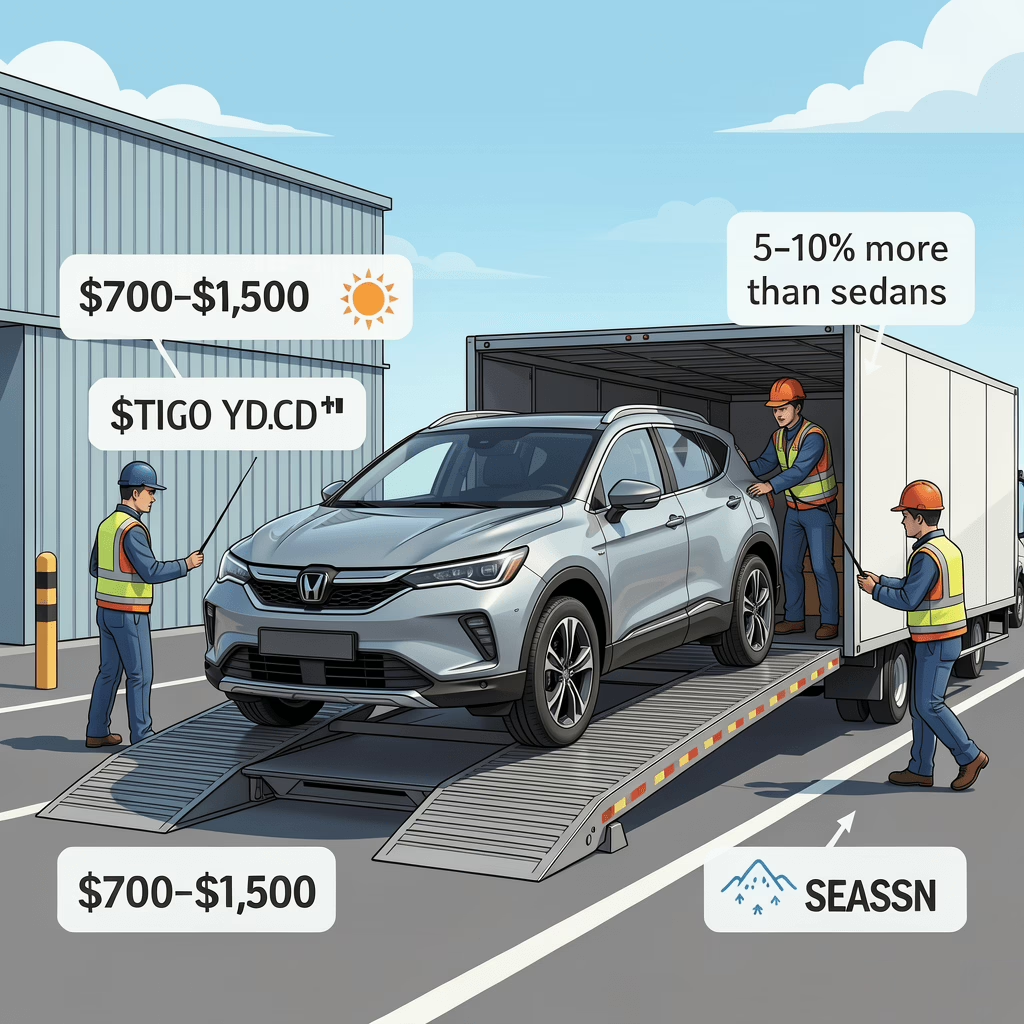
On average, crossover shipping cost ranges between $700 and $1,500, depending on distance, season, and transport type. Because crossovers are slightly larger and heavier than sedans, they typically cost 5–10% more to transport.

Average Crossover Shipping Cost by Distance

Distance Open Carrier Enclosed Transport
0–500 miles $500–$800 $800–$1,100
500–1,500 miles $800–$1,200 $1,100–$1,600
1,500+ miles $1,100–$1,500 $1,500–$2,200

Transit speed averages 400–500 miles per day, depending on route density.

What Affects Crossover Shipping Cost?

1. Distance

Longer routes reduce cost per mile but increase total price.

2. Vehicle Size & Weight

Models like the Toyota RAV4 or Honda CR-V occupy more trailer space than compact sedans.

3. Route Popularity

Major routes (CA–TX, FL–NY) cost less than rural pickups.

4. Seasonality

Snowbird season (fall & spring) increases demand and pricing.

5. Open auto transport vs Enclosed auto transport

Enclosed auto transport for crossover vehicles costs 30–60% more.

Quick Cost Breakdown

Base Rate
+ Distance Factor
+ Vehicle Size Factor
+ Seasonal Demand
+ Transport Type
= Final Market Price

Want exact pricing based on your route and crossover model? Get Your Instant Shipping Quote.

Open vs Enclosed Auto Transport for Crossovers

When deciding how to ship a crossover SUV, most customers choose between open carrier transport and enclosed transport for crossover vehicles. The right choice depends on budget, vehicle value, and risk tolerance.

Open Carrier for Crossovers (Most Common Option)

Open carriers move more than 90% of all vehicles in the U.S.

Pros:

  • Most affordable option

  • Faster pickup due to higher availability

  • Widely used for daily-driver crossovers

Considerations:

  • Exposure to weather and road debris

  • Minimal cosmetic risk (similar to highway driving)

For most mid-size crossovers like RAV4s, CR-Vs, and Rogues, open transport is fully sufficient.

Enclosed Transport for Crossovers (Premium Option)

Enclosed shipping costs 30–60% more but provides added protection.

Best for:

  • Brand-new crossovers

  • Luxury trims

  • Lease returns

  • High-value or specialty vehicles


Open vs Enclosed: Quick Comparison

Feature Open Carrier Enclosed Transport
Cost Lower Higher
Availability High Moderate
Weather Protection No Yes
Recommended For Standard crossovers Luxury / new vehicles

When Should You Upgrade?

If your crossover’s value exceeds $50,000 or you simply want maximum protection, enclosed may provide peace of mind. Otherwise, open carrier transport is the most cost-efficient solution.

How Long Does It Take to Ship a Crossover?

Delivery time is one of the biggest deciding factors when choosing the best company to ship a crossover. While pricing matters, realistic timeline expectations are just as important.

On average, crossover auto transport follows two stages: pickup window and transit time.

Average Pickup Timeline

Most standard shipments are picked up within 1–3 days after booking.
High-demand seasons (spring & fall) may extend this to 3–5 days.

Expedited options can reduce pickup to same-day auto transport or next-day, depending on route density.

Transit Time by Distance

Distance Estimated Delivery Time
0–500 miles 1–2 days
500–1,500 miles 2–4 days
1,500–2,500 miles 4–6 days
Cross-country 5–8 days

Carriers typically drive 400–500 miles per day, though weather, traffic, and DOT regulations can impact schedules.

What Can Delay Crossover Shipping?

  • Severe weather

  • Rural pickup or delivery locations

  • Mechanical inspections

  • Peak relocation seasons

  • Limited enclosed carrier availability

Realistic Expectation

Booking Day

Pickup (1–3 Days)

Transit (Based on Distance)

Delivery Inspection

The safest way to avoid delays is booking with a company that uses route-based pricing and active carrier networks.

Insurance Coverage & Protection Options

When evaluating the best company to ship a crossover, insurance transparency is critical. Every licensed interstate carrier must comply with regulations set by the Federal Motor Carrier Safety Administration (FMCSA), which requires active cargo insurance coverage.

But minimum compliance does not always mean maximum protection.

Standard Carrier Insurance (Included)

All professional crossover auto transport shipments include:

  • Cargo insurance (typically $100,000–$250,000 coverage)

  • Liability protection

  • Bill of Lading inspection at pickup and delivery

  • Coverage for transport-related damage

This protects your vehicle while it is physically on the carrier’s trailer.

However, standard policies generally do not cover:

  • Personal belongings inside the vehicle

  • Pre-existing cosmetic damage

  • Mechanical issues unrelated to transit

Clear inspection documentation is essential for any claim.

Enhanced Protection Options

For customers who want additional peace of mind, some companies provide optional premium coverage layers.

At Navi Auto Transport, we work with TINT to offer enhanced protection for a very small additional cost. This option can provide:

  • Higher coverage limits

  • Faster claim resolution timelines

  • Reduced deductible exposure

  • Added protection beyond base carrier policy

For many crossover owners, especially those shipping newer or leased vehicles, this upgrade offers significant reassurance without meaningfully increasing total shipping cost.

Coverage Type Standard With TINT Upgrade
Cargo Insurance Higher Limits
Inspection Documentation
Claim Speed Standard Accelerated
Extra Coverage Layer

Red Flags When Choosing a Crossover Shipping Company

Not every company advertising crossover auto transport operates with the same level of transparency. Because most customers compare multiple quotes, it’s important to know what warning signs to watch for before booking.

Here are the most common red flags when trying to find the best company to ship a crossover:

1. Unrealistically Low Quotes

If one quote is dramatically cheaper than the rest, it may not reflect the real market rate. Lowball pricing often leads to:

  • Delayed pickup

  • Price increases before dispatch

  • Limited carrier interest

Market-based pricing ensures your crossover is actually picked up on time.

2. No Active FMCSA Registration

All interstate auto transport companies should be registered with the Federal Motor Carrier Safety Administration and have a valid MC number.

Always verify this publicly before booking.

3. Large Upfront Deposits

Excessive deposits can signal cash-flow issues or poor dispatch practices. Transparent companies clearly explain deposit structure and remaining balance.


4. Vague Insurance Explanations

If coverage details are unclear, request written proof of cargo insurance and claim procedures.


5. Poor Communication

Slow responses before booking often mean worse communication during transit.

Quick Red Flag Checklist

Too Cheap?
No FMCSA?
Big Deposit?
No Written Agreement?
Unclear Insurance?

If you check “yes” to any of these, consider another provider.

How to Prepare Your Crossover for Shipping

Preparing your vehicle properly can prevent delays, reduce risk, and ensure a smooth crossover car shipping experience. Most reputable SUV shipping companies will provide instructions before pickup, but following this checklist helps protect you from avoidable issues.

Step-by-Step Preparation Checklist

1. Remove Personal Items

Auto transport insurance typically does not cover belongings left inside the vehicle. Extra weight can also increase carrier risk.

2. Leave About 1/4 Tank of Fuel

Enough fuel is required for loading and unloading — but a full tank adds unnecessary weight.

3. Wash Your Crossover

A clean vehicle makes it easier to document pre-existing cosmetic damage during the inspection.

4. Take Time-Stamped Photos

Capture all angles before pickup. This protects you during delivery inspection.

5. Disable Alarms & Toll Tags

Prevent unnecessary battery drain or electronic billing triggers during transit.

6. Check Tires & Battery

Ensure your crossover is operational unless you’ve arranged non-running vehicle transport.

Clean → Photograph → Remove Items → 1/4 Tank → Disable Alarms → Ready for Pickup

Why Navi Is a Smart Choice for Crossover Auto Transport

Choosing the best company to ship a crossover often comes down to execution, not promises. The process should be predictable, pricing should reflect real market conditions, and communication should stay consistent from quote to delivery.

That’s where Navi Auto Transport focuses differently.

Rather than relying on static pricing or manual dispatching, Navi uses technology to align real-time demand with verified carriers. This approach helps reduce pickup delays and price changes—two of the most common frustrations customers report when shipping crossover SUVs.

What Sets Navi Apart

Instant Pricing Technology
Quotes are generated using live route data and carrier availability, not outdated averages.

AI-Based Route Optimization
Popular crossover routes (like CA–TX or FL–NY) are priced and dispatched faster due to higher carrier density.

Strong Carrier Vetting
Every carrier is FMCSA-registered, insured, and performance-checked before assignment.

Clear Insurance Options
Standard carrier insurance is always included, with optional enhanced protection available through TINT for a small additional cost.

Transparent Process
You’ll know pickup windows, payment structure, and delivery expectations upfront—no hidden steps.

Why This Matters for Crossover Owners

What Customers Want How Navi Delivers
Accurate pricing Market-based quotes
Fast pickup Route-aware dispatch
Protection Verified insurance + upgrades
Communication Proactive updates

Frequently Asked Questions

How much does it cost to ship a crossover?

The average crossover shipping cost ranges between $700 and $1,500, depending on distance, season, and transport type. Open carrier transport is more affordable, while enclosed transport typically costs 30–60% more.


Is it cheaper to ship an SUV on an open carrier?

Yes. Open car carrier for crossover vehicles is the most cost-effective option and accounts for over 90% of shipments in the U.S. It provides safe, insured transport at a lower price point.


Are crossover vehicles more expensive to transport?

Slightly. Crossovers are larger than sedans, so they take up more trailer space and may weigh more. On average, they cost 5–10% more than compact cars to ship.


How long does crossover shipping take?

Pickup usually occurs within 1–3 days. Transit time depends on mileage, with carriers averaging 400–500 miles per day. Cross-country deliveries typically take 5–8 days.


Is enclosed auto transport worth it for a crossover?

Enclosed transport is recommended for brand-new, luxury, or high-value crossovers. For most daily-driver models, open transport is fully sufficient.


Do auto transport companies insure crossover vehicles?

Yes. All licensed interstate carriers must carry cargo insurance under regulations from the Federal Motor Carrier Safety Administration.


What is the safest way to ship a crossover SUV?

Using a fully insured, FMCSA-registered carrier with documented inspections at pickup and delivery is considered the safest method.


How do I prepare my crossover for shipping?

Remove personal items, leave 1/4 tank of fuel, wash the vehicle, take photos, and disable alarms before pickup.


Contact Us

Give us a call or fill in the form below and we will contact you. We endeavor to answer all inquiries within 24 hours on business days.