
Enclosed Auto Transport Snapshot
The Service
When a $1,200 shipment protects a $200,000 car
Enclosed transport exists because road debris doesn't care what your paint job cost
About 90% of cars in the U.S. ship on open carriers, and they should — it's faster, cheaper, and damage during open transit is rare and almost always cosmetic. But for the other 10% — high-value, custom, classic, or low-clearance vehicles — the math flips. A single rock chip on a Porsche GT3's clearcoat can cost $1,500 to fix properly. A scuffed lower valance on a restored '67 Camaro can be impossible to color-match. At that point, paying 40–60% more for fully enclosed transport stops being a luxury and starts being insurance.
Enclosed carriers handle vehicles differently — soft-loop straps on the frame or wheels (never on suspension), hydraulic lift gates for low-clearance loading (no ramps), 2 to 6 vehicles per trailer instead of 8 to 10. Insurance limits are higher, typically $250,000 to $1,000,000 in cargo coverage per vehicle. Carriers are fewer, schedules are tighter, pickup windows run 2–5 days instead of 1–3. You're paying for specialists, not generalists.
This page covers what enclosed transport actually costs, when it's the right call versus when open is fine, the four types of enclosed carriers we use, and how we vet every driver before they touch your vehicle. For the full range of car transport options across every vehicle type and method, see our main guide.
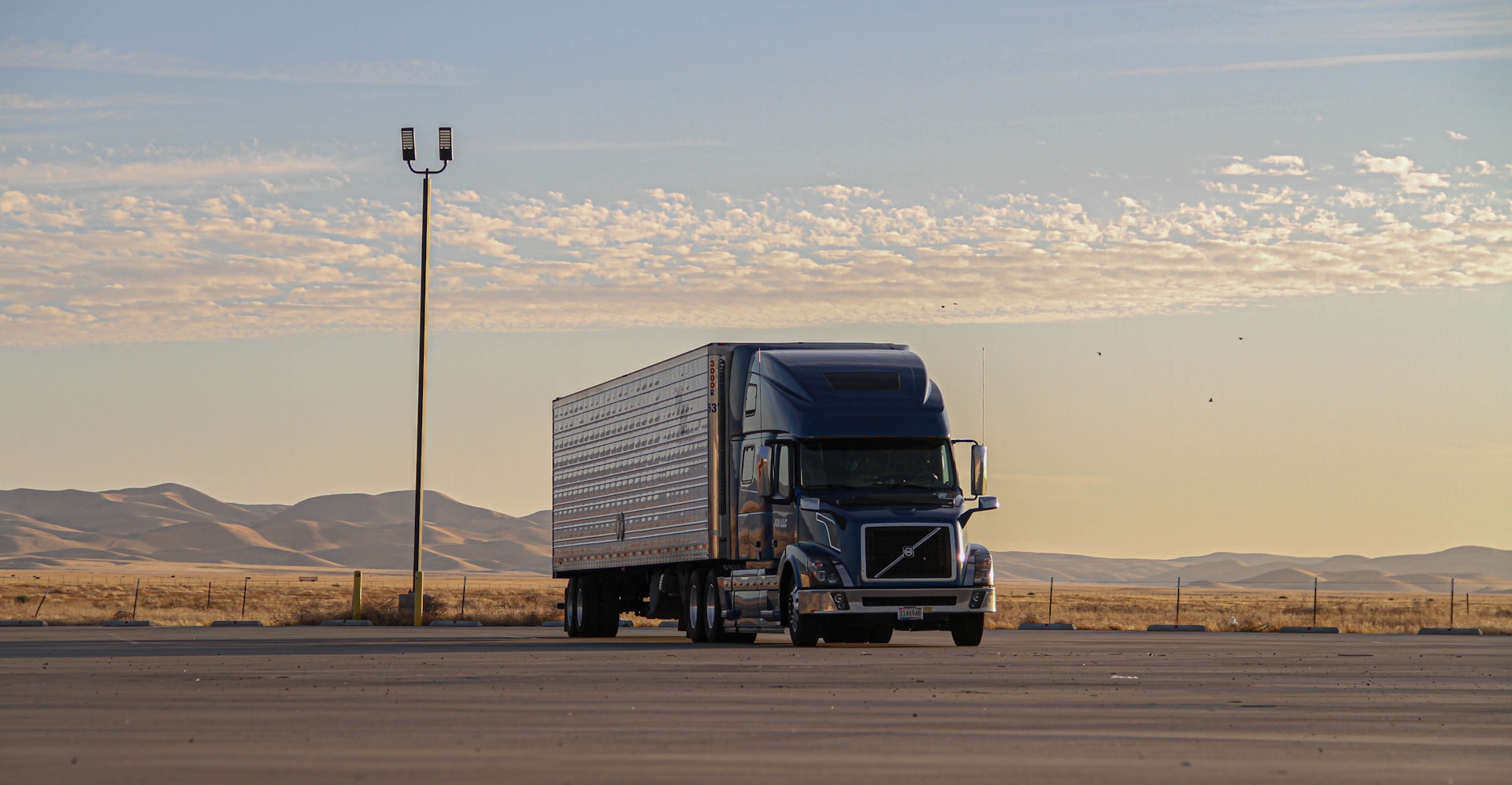
Fully enclosed trailer · Lift gate loading · Soft-strap secured
Quick Decision
Enclosed or open transport — the 30-second answer
Our general rule: at $100,000+ vehicle value, enclosed is the right call. Below that, it depends on the vehicle.
Head to Head
Open vs enclosed auto transport
Side-by-side on the things that actually matter for high-value vehicles
The Process
How enclosed auto transport works
4 steps from quote to delivery — no calls required to get a price
Transparent Pricing
What enclosed auto transport actually costs
Enclosed runs 40–60% more than open transport — the math behind the premium
Enclosed transport is priced per mile, and the per-mile rate runs significantly higher than open transport. Enclosed carriers carry fewer vehicles per load (2–6 instead of 8–10), use specialized equipment (lift gates, soft straps, climate-controlled trailers), and require more carrier expertise. The premium isn't arbitrary — it's the math of a smaller, more specialized supply chain.
Enclosed transport — per-mile rate by distance
Real enclosed route examples
High-value vehicle shipments from our dispatch books — actual enclosed transport prices for a standard sedan/sports car:
Prices shown are enclosed sedan/sports car rates. Larger luxury SUVs add ~$200. Trucks add ~$300. Single-car carriers (one vehicle per trailer) run 30–50% above multi-car enclosed rates. Peak season (Oct–Nov, Mar–May) can add 10–20%.
What changes the price on an enclosed shipment
- Carrier type. Multi-car enclosed (2–6 vehicles) is standard and most cost-effective. Single-car enclosed runs 30–50% more — used for one-off shows, auction wins, or vehicles requiring climate control.
- Vehicle size. Standard sedans and sports cars price at the baseline rate. Luxury SUVs add ~$200. Trucks add ~$300. Larger vehicles take more deck space — and on a 6-car enclosed trailer, that matters.
- Distance and route. Per-mile rate steps down with distance. Major corridors (I-95, I-10, I-40, I-80) price lower because enclosed carrier supply is steadier on these lanes.
- Pickup and delivery location. Within 30 miles of a major interstate, your pickup is priced standard. Beyond 30 miles, expect a $75–150 surcharge — enclosed carriers deviate less than open carriers.
- Season. Snowbird traffic (Northeast/Midwest ↔ Florida and Arizona) peaks October–November and March–May. Mountain pass routes through the Rockies and Sierras can see weather-driven shifts December–February.
- Booking lead time. Book 7–14 days ahead for the best rate and pickup window. Enclosed carriers run tighter schedules than open carriers — last-minute requests cost more or push the window out.
- Vehicle condition. Operable vehicles roll on with the lift gate. Non-running vehicles require winch loading, which adds to the rate and limits which enclosed carriers can take the load.
Carrier Vetting
How we vet every enclosed carrier before they touch your vehicle
6 checks. No exceptions. On a $200K car, vetting matters more than rate.
After 10+ years in this industry, here's what we know about enclosed transport damage claims: the difference between a clean delivery and an expensive repair is usually the carrier, not the trailer. A premium enclosed trailer doesn't help if the driver doesn't know how to use a lift gate properly, ratchet-straps suspension, or rushes a low-clearance load. Vetting is the work, not the equipment.
A carrier that fails any one of these doesn't get your load. On enclosed shipments, the first check — proper enclosed equipment — is the one that filters out 80% of generic carriers. We don't assign a car-only hauler to an enclosed load if they're missing the lift gate, the soft straps, or the experience.
Carrier Types
The 4 types of enclosed carriers we use
Not all enclosed trailers are equal — here's what each type protects against and what it costs
Coverage
Vehicles we ship enclosed
If your vehicle falls in any of these categories, enclosed is almost always the right call
Honest Take
When enclosed transport isn't worth it
A few cases where the premium doesn't pay off — and we'll tell you
For standard vehicles, our open car transport service is the right call — same vetting standards, lower cost, faster carrier availability.
Customer Reviews
What customers say about enclosed transport with Navi
Recent reviews from customers who shipped high-value vehicles
Ready to ship your vehicle enclosed?
From $499 · $250K–$1M cargo insurance · No upfront payment · All 50 states
FAQ
Frequently asked questions
Direct answers to the most common enclosed transport questions
How much does enclosed auto transport cost?
Enclosed transport starts at $499 for short routes and runs 40–60% more than open transport for the same lane. Real examples: Boston to DC runs about $749. New York to Miami is around $999. Coast-to-coast routes like LA to NY run $1,899. Single-car enclosed and climate-controlled options run 30–50% higher than standard multi-car enclosed.
What vehicles do you most often ship enclosed?
Any vehicle can ship enclosed, but our customers who choose it are mostly shipping sports cars, vintage and classic cars, and luxury vehicles. Porsches, Ferraris, restored muscle cars, Lamborghinis, and high-end European sedans make up the bulk of our enclosed shipments. These are vehicles where even a small scratch matters.
What happens if I choose open transport for a sports car?
We've seen it. A customer ships a Porsche or Ferrari on an open carrier to save money, and it arrives with small scratches — rocks from the road, a tree branch at a tight pickup spot. Nothing catastrophic, but on a car like that, even a minor paint scratch can cost $800–$2,000 to fix properly. The savings on shipping disappear fast. That's why we always recommend enclosed for sports cars, regardless of distance.
What's the minimum vehicle value where you'd recommend enclosed?
Our general rule: if your vehicle is worth $100,000 or more, enclosed is the right call — no debate. Below that it depends on the vehicle. A fully restored classic or a low-production sports car often warrants enclosed regardless of market value, because damage to those vehicles is expensive and sometimes impossible to reverse perfectly.
Is enclosed transport safer than open transport?
Yes, but in a specific way. The key difference is exposure — on an open carrier, your vehicle is on the road like any other car, subject to rocks, road debris, and anything that kicks up from the highway. With enclosed transport, your vehicle sits inside a fully covered trailer, shielded from the elements and road hazards. Plus enclosed carriers carry significantly higher cargo insurance ($250K–$1M vs $100K–$250K for open).
What surprises customers most about enclosed transport?
Three things they don't expect: how much higher the carrier's insurance coverage is, the lift gate — which loads and unloads low-clearance vehicles without any contact with the undercarriage — and how smooth the entire experience is. Customers who try enclosed for the first time almost never go back to open for high-value vehicles.
What's the difference between soft-sided and hard-sided enclosed trailers?
Hard-sided enclosed trailers have metal or fiberglass walls — they're the standard for high-value shipments and offer maximum protection from weather, debris, and break-in attempts. Soft-sided enclosed trailers use a steel frame with reinforced canvas sides — slightly less secure but still fully weather-protected, and usually a bit cheaper. Both use the same lift gates and soft-strap loading methods.
Can I ship multiple vehicles with enclosed transport?
Yes. Enclosed carriers can accommodate 2–6 vehicles per trailer depending on the carrier type and vehicle sizes. Each vehicle gets the same level of protection regardless of how many are on the carrier. Multi-vehicle enclosed shipments are also typically more cost-effective per vehicle than booking single-car carriers.
How does the lift gate work?
A hydraulic lift gate is a flat platform at the rear of the enclosed trailer that raises and lowers your vehicle smoothly between the ground and the trailer floor. No drive-on ramps, no angle to clear, no risk of scraping a low front bumper or splitter. The vehicle drives onto the lift gate at ground level, the platform raises hydraulically, and the vehicle rolls into the trailer.
How long does enclosed transport take?
Pickup happens within 2–5 days of booking (slightly longer than open transport because enclosed carriers are less common). Transit times depend on distance — short routes (under 500 mi) take 3–5 days, mid-distance 5–7 days, cross-country 8–10 days. Add 1–2 days during peak snowbird season (Oct–Nov, Mar–May).
Can I ship a non-running vehicle enclosed?
Yes. Inoperable vehicles can ship enclosed but require winch loading or forklift, which limits which carriers can take the load and adds to the rate. Common for project cars, salvage rebuilds, and restoration shop transfers. Flag the condition at booking so we match the right carrier with winch-equipped enclosed equipment.
Do I need to be there for pickup and delivery?
You or someone you authorize (18 or older) needs to be present at both pickup and delivery for the inspection walkaround, Bill of Lading signature, and condition confirmation. On a high-value vehicle, the pre-shipment inspection is the baseline against which any damage claim is filed — skip it and any claim becomes a difficult conversation.