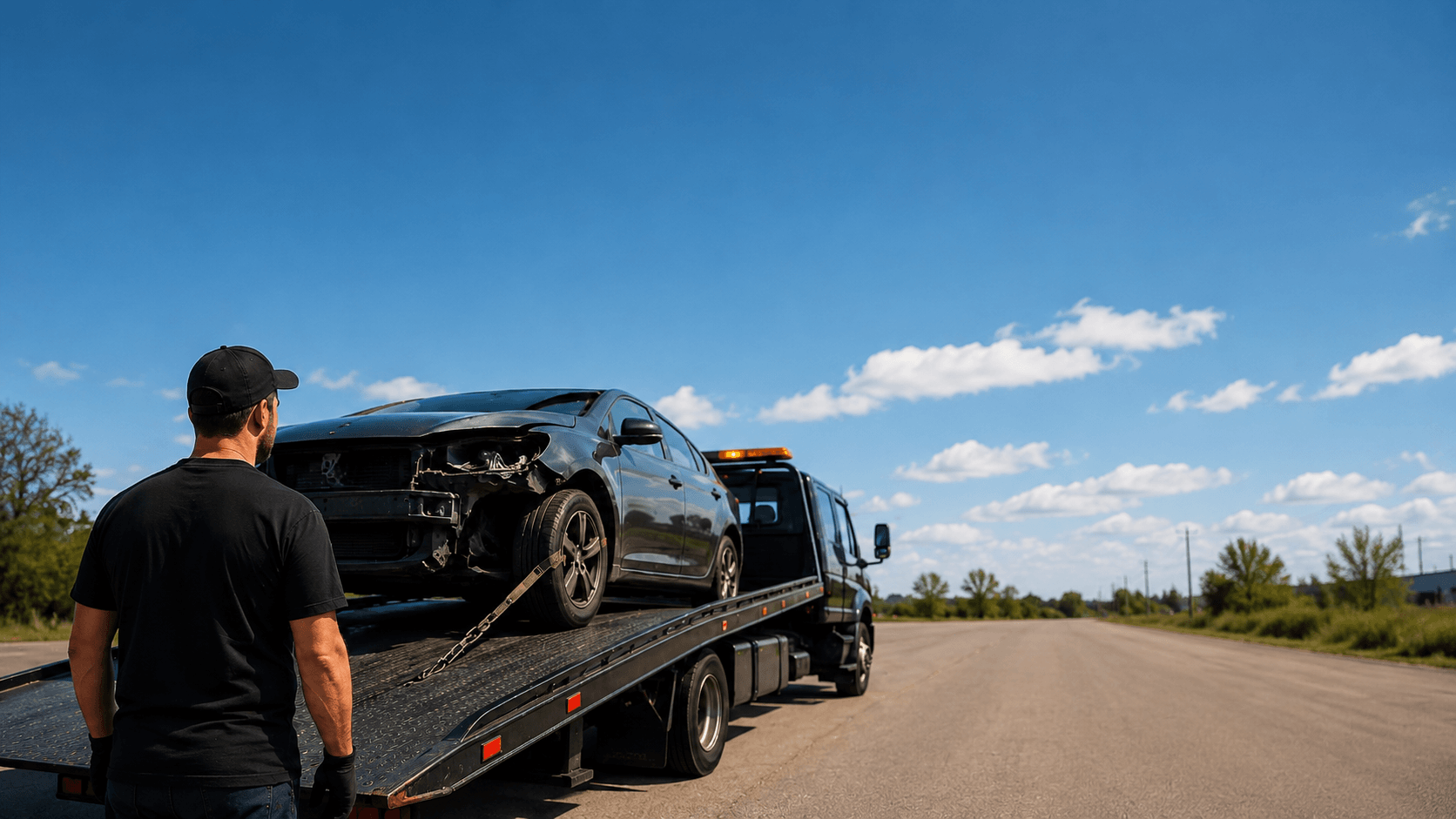
Shipping a non-running car poses unique challenges compared to transporting a fully operational vehicle. Whether the car is disabled due to mechanical issues, or it’s simply not drivable, special care must be taken to ensure it arrives safely at its destination. Unlike running vehicles, which can be driven onto a transport truck, non-running cars require careful handling to prevent further damage. This article aims to provide you with five essential tips for shipping a non-running car safely, helping you navigate the complexities of the process with confidence. By following these guidelines, you can ensure that your vehicle is transported securely and efficiently, minimizing the risk of any problems along the way.
Summary
Understand the Transport Options for Non-Running Cars
Shipping a non-running car requires selecting the appropriate transport method to ensure safe and effective handling. There are several options available, each with its own benefits and limitations. Understanding these options will help you make an informed decision based on your car’s condition and your specific needs.
A. Flatbed Trucks
Flatbed trucks are a common choice for transporting non-running cars. Their open design allows for easy loading and unloading of vehicles that cannot move on their own. The flatbed ensures that the car is secured properly during transit, reducing the risk of shifting or damage. This method is particularly effective for cars with severe mechanical issues or those that are heavily damaged.
Case Study: A customer needed to transport a classic car with a seized engine. Using a flatbed truck, the car was loaded with a winch and secured with straps, ensuring it arrived at the restoration shop without further issues.
B. Tow Trucks
Tow trucks are another viable option for transporting non-running vehicles. They can be equipped with various mechanisms, such as wheel lifts or flatbeds, to handle different types of non-running cars. Tow trucks are often used for shorter distances or when a flatbed truck isn’t available. It’s important to ensure that the tow truck is suited to your car’s specific condition and weight.
Case Study: An individual needed to move a non-running car from a driveway to a repair shop. A tow truck with a wheel lift was used to safely transport the car, minimizing any potential damage during the move.
C. Specialized Car Carriers
Specialized car carriers are designed to transport vehicles with extra care, making them an excellent choice for high-value or particularly fragile non-running cars. These carriers are equipped with advanced loading equipment and protective measures to ensure the car remains in pristine condition throughout the journey. They are ideal for long-distance shipping or when additional security is required. You can choice between open or enclosed car trailer, they will have a winch and load the car safely onto the trailer.
Case Study: A luxury car dealer used a specialized car carrier to transport several high-end vehicles, including non-running models, across state lines. The carrier’s advanced equipment and careful handling ensured that all cars arrived in excellent condition.
Choosing the Right Transport Method
Selecting the appropriate transport method for a non-running car is a critical decision that impacts both the safety of your vehicle and the cost of shipping. There are several options available, each with its own set of advantages and drawbacks. Understanding these choices will help you make an informed decision that best suits your needs.
Open vs. Enclosed Transport
One of the first decisions you’ll need to make is whether to opt for open or enclosed transport. Open car transport is the most common and cost-effective method, where your vehicle is loaded onto an open trailer along with several other cars. While this method is generally safe, it does expose your vehicle to the elements, which could be a concern if your car is particularly valuable or if it’s being transported over long distances.
On the other hand, enclosed transport offers superior protection by housing your vehicle inside a covered trailer. This method is ideal for non-running cars that are high-value, classic, or in the midst of restoration. The enclosed environment shields the car from weather conditions, road debris, and potential prying eyes. However, it does come at a higher cost, often making it the better choice for those willing to pay a premium for added peace of mind.
Specialized Equipment
Transporting a non-running car often requires the use of specialized equipment, regardless of whether you choose open or enclosed transport. Essential tools like winches are used to pull the car onto the trailer, while dollies can be employed to move the vehicle if its wheels are locked or damaged. Lift gates may also be necessary for heavier vehicles or when loading onto a higher platform.
Preparing Your Non-Running Car for Shipping
Proper preparation is crucial when shipping a non-running car to ensure a smooth and damage-free transport process. By taking a few key steps before the car is loaded onto the transport vehicle, you can help safeguard your vehicle and avoid common issues that could arise during transit.
Check for Leaks and Fluids
Before shipping, it’s essential to inspect your non-running car for any leaks or fluid issues. Even if the car isn’t running, residual fluids such as oil, coolant, or brake fluid can pose risks during transport. Leaks can cause environmental damage and create hazards for the transport vehicle.
Tip: Have a mechanic check and address any leaks, and make sure the car’s fluid levels are appropriate for transport. Properly seal or drain fluids if necessary to prevent spills.
Disable the Alarm System
Non-running cars often have active alarm systems that may inadvertently trigger during transit. An alarm going off can be disruptive and may even cause damage to the vehicle or its surroundings. Disabling the alarm system ensures that it doesn’t activate during loading, transit, or unloading.
Tip: Follow the manufacturer’s instructions to disable the alarm system or consult a professional if you’re unsure how to do it.
Document the Condition of the Vehicle
Documenting your car’s condition before shipping is a critical step in protecting yourself against any potential disputes regarding damage. Take detailed photos of the vehicle from multiple angles, including close-ups of any existing damage.
Tip: Keep a written record of the car’s condition, including any scratches, dents, or other issues, and provide this information to the transport company.
Securing Loose Parts
One of the first steps in preparing your car for transport is to secure or remove any loose parts. Non-running vehicles, especially those under repair or restoration, may have loose components such as mirrors, bumpers, or interior parts. These items can become damaged or cause damage to other parts of the car during transit if they are not properly secured.
To prevent this, take the time to either remove these parts and store them securely inside the vehicle or fasten them firmly in place. Additionally, check for any items inside the car that could shift around during transport, and either remove them or secure them to prevent damage.
Making the Car Accessible
Ensuring your non-running car is easily accessible to the transport company is another important preparation step. The vehicle should be parked in an open, flat area where the transport truck can easily maneuver. If the car is located in a garage, driveway, or other tight space, consider moving it to a more accessible location if possible.
If the car cannot be moved and is located in a difficult-to-access area, inform the transport company ahead of time. This allows them to plan for any additional challenges and bring the necessary equipment to safely load the vehicle.
Verifying Carrier Requirements
Before the scheduled pickup, it’s essential to verify any specific requirements your carrier may have for transporting a non-running car. Different transport companies may have different protocols or equipment needs depending on the condition of your vehicle. For example, some carriers may request that the tires be inflated or that the car be in neutral gear if possible.
Communicate with your carrier to ensure you understand their requirements and can prepare your vehicle accordingly. This will help avoid any last-minute complications or delays on the day of transport.
Choosing the Right Auto Transport Company
Selecting the right auto transport company is crucial when shipping a non-running car. The right company will have the expertise, equipment, and insurance to handle your vehicle safely and efficiently. Here’s how to choose a reliable transport company for your non-running car.
Research and Reviews
Start by researching potential auto transport companies and reading customer reviews. Online reviews can provide valuable insights into a company’s reliability, customer service, and overall performance. Look for companies with positive feedback specifically related to transporting non-running vehicles.
Tip: Check multiple review platforms and forums to get a well-rounded view of each company’s reputation.
Verify Insurance and Licensing
Ensure that the auto transport company you choose has the necessary insurance and licensing to cover any potential damage to your vehicle. Verify that the company is licensed by the Department of Transportation (DOT) and check their insurance coverage to confirm that it meets your needs.
Tip: Request proof of insurance and licensing, and review the coverage details to ensure that it includes protection for non-running vehicles.
Get Multiple Quotes
Obtain and compare quotes from several auto transport companies. This will help you gauge the average cost of shipping a non-running car and ensure you’re getting a fair price. Be wary of quotes that seem unusually low, as they might indicate hidden fees or subpar service.
Tip: Ask for a detailed breakdown of the quote, including any additional fees or charges that may apply.
Getting Accurate Quotes for Non-Running Car Transport
Obtaining an accurate quote for transporting a non-running car is vital to avoid unexpected costs and ensure you’re fully prepared for the expenses involved. Since transporting a non-running vehicle is more complex than moving a functional one, several factors can influence the price. By understanding these factors and providing detailed information to the transport company, you can secure a quote that accurately reflects the true cost.
A. Importance of Full Disclosure
When requesting a quote, it’s essential to fully disclose the condition of your non-running car. Transport companies base their quotes on the assumption that they’ll be able to load and unload the vehicle with standard procedures. If they arrive to find that the car is non-running and you hadn’t informed them, they may need to use additional equipment or take extra time, which could result in unforeseen charges.
Clearly explaining the car’s condition, including why it’s not running (e.g., engine failure, flat tires, or severe damage), allows the transport company to plan accordingly. This ensures that the quote you receive is accurate and that there are no surprises when it comes time to pay the bill.
B. Key Factors Affecting the Cost
Several key factors influence the cost of transporting a non-running car:
- Distance and Location: The further the distance between the pickup and drop-off points, the higher the cost. Additionally, if your vehicle is in a remote or difficult-to-access location, this could increase the price due to the extra effort required by the carrier.
- Vehicle Size and Weight: Larger and heavier vehicles typically cost more to transport because they require more space on the carrier and may need specialized equipment for loading and unloading.
- Condition of the Car: The specific condition of your car will also affect the price. For example, if the car has flat tires, locked wheels, or structural damage, it may require more effort and specialized tools to load, which can increase the cost.
- Transport Method: As discussed in the previous section, opting for enclosed transport over open transport will raise the cost due to the added protection and the typically lower vehicle capacity of enclosed trailers.
Final Preparations and Loading
Ensuring that all final preparations are handled correctly will contribute significantly to the safe shipping of your non-running car. By following these steps, you can help prevent issues during loading and transport, making the process as smooth as possible.
Confirm Pickup and Delivery Details
Before the transport date, confirm all details related to pickup and delivery with the auto transport company. This includes the specific time and location for pickup, as well as the drop-off address and any special instructions. Clear communication helps avoid misunderstandings and ensures that both parties are aligned on expectations.
Tip: Double-check the contact information and confirm any arrangements in writing to prevent last-minute issues.
Ensure Proper Loading Procedures
Proper loading procedures are crucial for protecting your non-running car during transport. The vehicle should be carefully loaded onto the transport vehicle using appropriate equipment such as winches or ramps. Secure the car with high-quality straps or chains to prevent movement during transit.
Tip: Observe the loading process if possible and ensure that the vehicle is securely fastened and stable before transport begins.
FAQ — Shipping a Non-Running Car
What qualifies as a “non-running” car for auto transport?
- A non-running car is any vehicle that cannot move under its own power. This includes cars with mechanical failures, dead batteries, seized engines, transmission issues, or vehicles missing key components like wheels or brakes.
Is it more expensive to ship a non-running vehicle?
- Yes. Non-running vehicles require extra labor, equipment, and time to load safely. Carriers typically charge an additional fee for winching, special handling, and the use of flatbeds or specialized trailers.
What type of transport is best for a non-running car?
- Flatbed trucks, tow trucks, and specialized car carriers are ideal. Flatbeds are great for severely damaged or completely immobile cars. Tow trucks work well for short distances. Specialized carriers are the safest option for high-value or fragile non-running vehicles.
How do transport companies load a car that doesn’t run?
- They use winches, ramps, hydraulic lifts, and other equipment to safely pull or lift the vehicle onto the trailer. The car is then secured with straps or chains to prevent shifting during transit.
Do I need to prepare a non-running car before shipping it?
- Yes. Check for leaks, seal or drain fluids if necessary, disable any alarm systems, remove loose parts, and document the vehicle’s condition with photos. Proper preparation helps prevent issues during loading and transport.
Why should I check for leaks before shipping a non-running car?
- Leaks from fluids like coolant, oil, or brake fluid can cause environmental hazards and may damage the carrier’s trailer or other vehicles. Some companies will refuse transport until the leak is fixed.
Should I disable the alarm system on a non-running vehicle before transport?
- Definitely. Alarms can still activate even if the car doesn’t run. A triggered alarm during transport can cause disruption and even damage.
How important is it to document the condition of the vehicle?
- Very important. Taking photos and noting existing damage protects you if any disputes arise later. Detailed documentation helps resolve any claims quickly and accurately.
What should I look for when choosing a company to ship a non-running car?
- Look for verified experience with non-running vehicles, positive customer reviews, proper licensing, and solid insurance coverage. Companies experienced in handling disabled vehicles will have the right equipment and know the correct loading procedures.
Do I need to verify the transport company’s insurance?
- Yes. Always confirm that the company has valid insurance that covers non-running vehicles. Ask for proof and review coverage limits to ensure your car is protected.
Why is getting multiple quotes important for shipping a non-running car?
- Prices vary depending on distance, equipment needs, and difficulty of loading. Getting several quotes helps you understand the average cost and avoid companies offering suspiciously low prices that may indicate poor service or hidden fees.
How should I finalize pickup and delivery arrangements?
- Confirm all details—addresses, times, contacts, and special instructions—before transport day. Written confirmation helps prevent miscommunication and delays.
Can I be present during loading?
- Yes, and it’s recommended. Watching the loading process gives you peace of mind and lets you confirm the vehicle is secured properly.
How do companies ensure a non-running car stays safe during transit?
- Carriers use heavy-duty straps, wheel chocks, and industry-standard tie-down systems to make sure the vehicle doesn’t shift. Proper loading and securement are key to preventing damage.
Can non-running luxury or classic cars be shipped safely?
- Absolutely. Many specialized carriers are equipped to transport high-value or delicate vehicles, often with enclosed trailers, advanced loading equipment, and enhanced protection throughout the journey.
